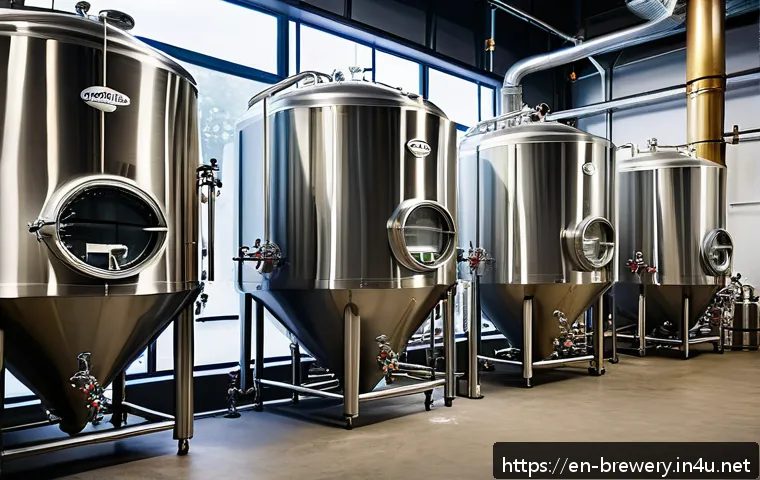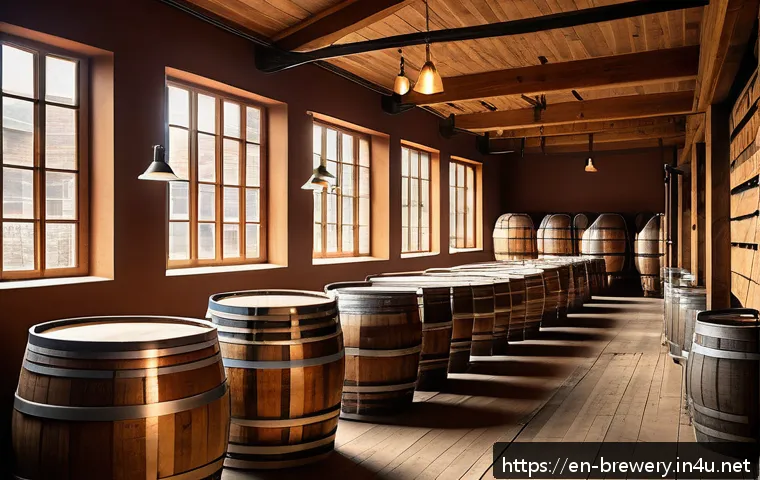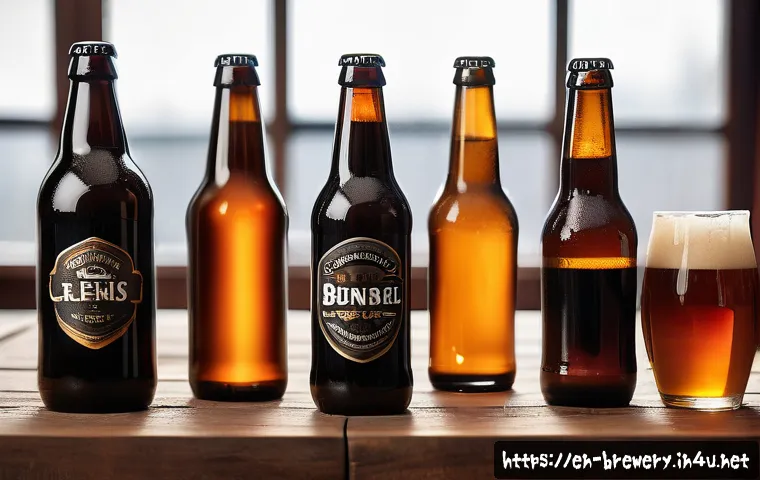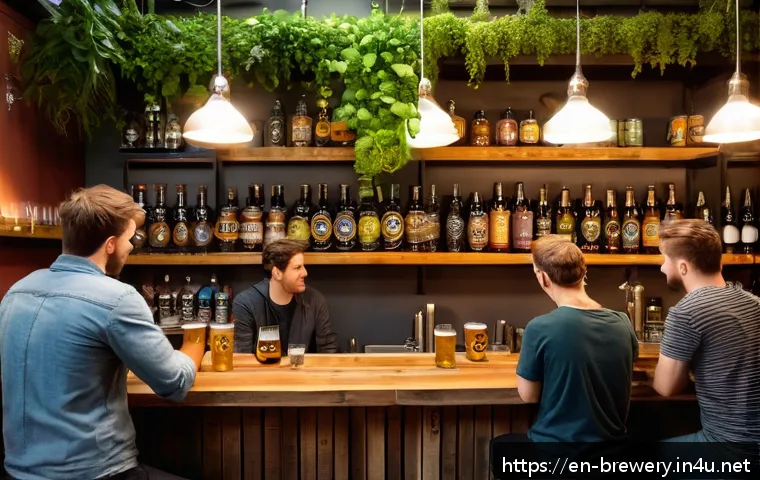
Lately, the craft beer scene has been bubbling with an exciting shift as brewers embrace vegan culture like never before. With more people seeking plant-based lifestyles, breweries are innovating to deliver pints that align with ethical and environmental values without sacrificing flavor.
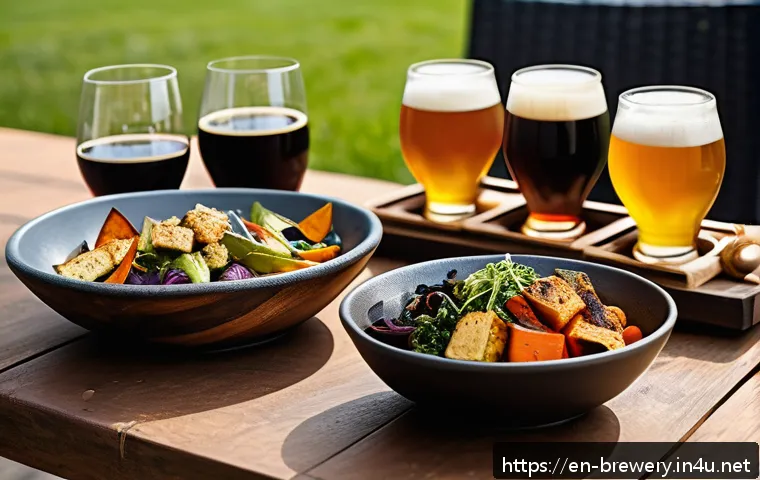
If you thought vegan meant boring, think again—these brewers are revolutionizing what’s possible in your glass. Whether you’re a dedicated vegan or simply curious, this trend is reshaping how we enjoy craft beer.
Let’s dive into how this movement is changing the game and what it means for your next sip.
Crafting Flavorful Brews Without Animal Products
Replacing Traditional Ingredients
Many people don’t realize that some classic brewing techniques involve animal-derived products like isinglass, gelatin, or honey. These fining agents help clarify beer but exclude vegans who avoid all animal products.
Brewers now experiment with plant-based alternatives such as Irish moss, bentonite clay, or pea protein. These natural substitutes do the job just as well, resulting in crystal-clear pints without any compromise on taste or texture.
I’ve tried a few of these vegan-friendly beers, and honestly, the difference is barely noticeable. The clarity is just as sharp, and the mouthfeel remains smooth and satisfying.
Balancing Ethics and Taste
Switching to vegan ingredients isn’t just about removing animal products; it’s also a challenge to maintain the complex flavor profiles craft beer lovers crave.
Some brewers incorporate unique plant-based adjuncts like oats, rye, or spelt to enhance body and mouthfeel. Others explore novel hop varieties or yeast strains to add layers of aroma and depth.
From my experience visiting several breweries that embrace this approach, it’s clear that the commitment to ethical brewing inspires more creativity. You get bold, interesting flavors that make you forget you’re drinking vegan beer.
Environmental Impact of Vegan Brewing
Beyond personal ethics, many breweries adopt vegan-friendly methods to reduce their environmental footprint. Animal agriculture is resource-intensive, and eliminating animal products from beer production helps conserve water and reduce greenhouse gas emissions.
Sustainable sourcing of plant-based ingredients further supports eco-conscious consumers. I noticed that breweries championing this cause often highlight their green initiatives, from solar-powered equipment to zero-waste policies.
Choosing vegan craft beer becomes a small but meaningful way to support broader environmental goals.
Exploring the Wide Variety of Vegan Beer Styles
Traditional Styles Made Vegan
You don’t have to sacrifice your favorite beer style when opting for vegan options. IPAs, stouts, lagers, and sours all have vegan versions crafted with the same attention to detail as their traditional counterparts.
For instance, I recently sampled a vegan imperial stout with rich chocolate and coffee notes that rivaled any non-vegan version I’ve had. Brewers are careful to ensure that each style’s defining characteristics remain intact, so whether you crave hop-forward bitterness or malty sweetness, vegan beers deliver.
Innovative New Creations
The vegan trend has opened the door to some creative new beer styles that you might not find elsewhere. Some brewers experiment with fruit-infused sours, herbal ales, or spiced lagers that draw inspiration from global plant-based flavors.
These innovative brews often reflect the ethos of sustainability and wellness, incorporating ingredients like hibiscus, ginger, or turmeric. I find these offerings refreshing, especially when paired with vegan food, creating a harmonious tasting experience that feels fresh and exciting.
Regional Variations and Global Influence
Vegan craft beer is gaining traction worldwide, with regional variations adding unique twists. In the Pacific Northwest, known for its hop-forward beers, vegan IPAs reign supreme.
Meanwhile, European brewers blend traditional styles with vegan innovations, maintaining centuries-old techniques but swapping animal-derived clarifiers.
This global exchange enriches the scene, introducing beer lovers to diverse flavor profiles. On my travels, I’ve enjoyed vegan beers in unexpected places—from small Belgian breweries to bustling urban taprooms in California—each showcasing local ingredients and cultural influences.
Understanding Labeling and Certifications
Spotting Truly Vegan Beers
One challenge for consumers is identifying which beers are genuinely vegan, as labeling isn’t always consistent. Some breweries clearly mark their bottles or tap handles with vegan symbols, while others might not mention it at all.
It’s helpful to check brewery websites or apps dedicated to vegan products. Personally, I’ve found that direct communication with brewers via social media often provides the clearest answers.
Transparency is growing in the industry, but doing a bit of research ensures you’re making informed choices.
Common Certifications to Look For
Certain organizations offer vegan certification for beverages, which can add confidence in your purchase. Logos from groups like The Vegan Society or Vegan Action indicate that a product meets strict criteria, including no animal testing and no animal-derived ingredients.
Although not every vegan beer is certified, these labels are a useful guide. In my experience, certified beers tend to come from breweries deeply committed to vegan principles, often reflected in their entire product line and sustainability efforts.
Why Labeling Matters for Breweries and Consumers
Clear labeling benefits both producers and drinkers. For breweries, it’s an opportunity to reach a growing market segment and build trust through transparency.
For consumers, it simplifies decision-making and reduces the risk of accidentally consuming non-vegan ingredients. I’ve noticed that breweries embracing vegan labeling often foster a strong sense of community, attracting loyal fans who appreciate the honesty and care put into every batch.
This openness also encourages more people to give vegan beers a try, expanding the movement’s reach.
Pairing Vegan Beers with Food for Maximum Enjoyment
Complementing Plant-Based Dishes
Vegan beers shine brightest when paired with complementary food, especially plant-based meals. Think roasted vegetables, spicy tofu dishes, or hearty grain bowls.
For example, a crisp vegan pilsner cuts through the richness of mushroom stroganoff, while a fruity vegan sour elevates a fresh salad with citrus vinaigrette.
From my own dinner parties, I’ve found that matching beer intensity and flavor to the meal’s profile transforms both the food and drink into something greater than the sum of their parts.
Elevating Vegan Comfort Food
Comfort foods like vegan mac and cheese, lentil burgers, or jackfruit tacos deserve equally satisfying brews. Rich, malty vegan brown ales or smooth porters bring out the savory, smoky, or cheesy flavors without overwhelming them.
I recall one evening pairing a vegan porter with cashew-based mac and cheese, and the interplay of creamy and roasted notes was unforgettable. This kind of pairing demonstrates that vegan beers are versatile enough to enhance even indulgent, hearty dishes.
Experimenting with Global Vegan Cuisines
Adventurous eaters might explore vegan beers alongside international plant-based cuisines. Indian curries, Ethiopian stews, or Korean bibimbap all offer bold flavors that can stand up to robust vegan brews.
A spicy vegan IPA or a zesty Belgian-style ale can cut through heat and complexity, creating a balanced tasting experience. When I’ve tried these combinations, it’s been a fun and delicious way to discover new beer styles and culinary traditions simultaneously.
Challenges and Opportunities for Vegan Brewing

Overcoming Ingredient Sourcing
Finding reliable, high-quality vegan ingredients isn’t always straightforward for brewers. Some traditional materials remain easier to source or less expensive than vegan alternatives.
However, many breweries build partnerships with ethical suppliers or grow their own specialty crops. I’ve spoken with brewers who take pride in this farm-to-glass approach, emphasizing transparency and traceability in every batch.
It’s a labor-intensive process but one that pays off in unique flavors and customer loyalty.
Educating Consumers and Industry Professionals
Awareness about vegan beer remains uneven, especially among casual drinkers and some industry insiders. Breweries often invest in education through tastings, social media, and collaboration with vegan organizations.
When I attend beer festivals, I appreciate how some taprooms highlight vegan options and explain their significance. This education helps demystify the trend and invites more people to explore plant-based beer without fear of missing out on taste or tradition.
Future Trends and Innovations
Looking ahead, the vegan craft beer scene is poised for continued growth and innovation. Emerging trends include hybrid beverages blending beer with kombucha or botanical infusions, as well as expanded use of locally sourced, seasonal vegan ingredients.
From my observations, breweries passionate about veganism are often the most experimental, eager to push boundaries and delight curious drinkers. This momentum suggests an exciting future where vegan beer is not a niche but a celebrated standard in craft brewing.
| Aspect | Traditional Brewing | Vegan Brewing |
|---|---|---|
| Clarifying Agents | Isinglass, gelatin, honey | Irish moss, bentonite clay, pea protein |
| Ingredient Sourcing | Animal-derived and plant-based | 100% plant-based, sustainable sources |
| Environmental Impact | Higher water and resource use | Lower footprint, eco-friendly practices |
| Flavor Innovation | Traditional styles and ingredients | New adjuncts like oats, rye, herbal infusions |
| Labeling | Often no vegan indication | Clear vegan certification and labeling |
| Consumer Base | General beer drinkers | Vegan, plant-based, environmentally conscious consumers |
Building a Community Around Ethical Drinking
Connecting Through Shared Values
Vegan craft beer fosters a sense of belonging for those who prioritize ethical consumption. Breweries often host events, tastings, and collaborations that bring together like-minded individuals.
From my experience attending these gatherings, the atmosphere is welcoming and passionate, filled with people eager to share their favorite vegan brews and recipes.
This community-building aspect strengthens the movement beyond just beverage choices—it becomes a lifestyle celebration.
Supporting Local and Independent Breweries
Many vegan-friendly breweries are small, independent operations committed to quality and ethics. Supporting these businesses helps sustain local economies and promotes diversity within the beer industry.
I’ve found that shopping local and choosing vegan beers often go hand-in-hand, creating a positive feedback loop of conscious consumerism. Plus, these breweries tend to be more transparent and innovative, enhancing the overall craft beer experience.
Encouraging Inclusivity in the Beer World
The rise of vegan beers contributes to a more inclusive craft beer culture that welcomes people from all dietary backgrounds. It challenges outdated stereotypes about beer being limited to certain ingredients or demographics.
When I see more bars and festivals offering vegan options, it signals progress toward a broader, more open-minded community. This inclusivity enriches everyone’s experience by expanding choices and fostering mutual respect among drinkers.
Practical Tips for Enjoying Vegan Craft Beer
Where to Find Vegan Beers
Start by checking out local breweries’ websites or vegan-friendly beer apps that list options near you. Many taprooms proudly feature vegan beers and can recommend styles based on your taste preferences.
I like to ask bartenders directly, as they often know the ingredients and can suggest hidden gems. Farmers markets and specialty bottle shops are also great places to discover new vegan brews.
Storing and Serving Vegan Beers
Vegan beers don’t require special storage, but like all craft beers, they taste best when fresh and stored properly. Keep them in a cool, dark place and serve at the recommended temperature to highlight their flavors.
I’ve found that slightly warmer serving temps can enhance aroma and complexity for some styles, so don’t be afraid to experiment a bit. Using clean glassware free from residues will also preserve the pure taste.
Sharing Your Experience
Once you’ve found vegan beers you love, share your discoveries with friends and online communities. Writing reviews, posting photos, or hosting tasting parties can inspire others to explore vegan craft beer.
I’ve noticed that personal stories and recommendations carry more weight than generic descriptions, so don’t hesitate to be honest and expressive about what you enjoy.
This sharing builds momentum and helps normalize vegan options in the beer world.
Closing Thoughts
Vegan craft beer is more than a trend; it’s a celebration of innovation, ethics, and environmental care. From ingredient choices to flavor creativity, these brews offer something special for all beer lovers. Whether you’re a seasoned enthusiast or new to vegan options, there’s a rich world of tastes waiting to be explored. Embracing vegan beers supports a healthier planet and a more inclusive beer community. Cheers to discovering your next favorite pint!
Helpful Information to Keep in Mind
1. Not all beers labeled “craft” are vegan, so always check ingredients or certifications to be sure.
2. Vegan beers use plant-based fining agents like Irish moss or bentonite clay instead of animal-derived ones.
3. Many breweries now highlight their vegan options online or on tap, making it easier to find suitable choices.
4. Pairing vegan beers with complementary plant-based foods can elevate both the drink and the meal.
5. Supporting local vegan breweries helps promote sustainability and ethical business practices in your community.
Key Takeaways
Choosing vegan craft beer means enjoying high-quality brews that respect animal welfare and environmental sustainability. Brewers are pushing boundaries by using innovative plant-based ingredients without compromising flavor or clarity. Transparency in labeling is improving, but consumers should still research to ensure their beer is truly vegan. Pairing these beers thoughtfully with food enhances the overall experience, while supporting local ethical breweries strengthens a growing community. Ultimately, vegan beer offers a delicious way to align your values with your taste buds.
Frequently Asked Questions (FAQ) 📖
Q: What makes a craft beer vegan, and how can I be sure it’s truly vegan-friendly?
A: Great question! A craft beer is considered vegan when no animal-derived ingredients or processing aids are used during brewing or filtration. Common non-vegan elements include isinglass (fish bladder), gelatin, or honey.
To be sure, look for breweries that explicitly label their beers as vegan or check for certifications from trusted vegan organizations. Many brewers now openly share their ingredients and processes online, so a quick visit to their website can also clear things up.
From my experience, breweries embracing vegan culture tend to be transparent and proud of their vegan-friendly status, making it easier for consumers to trust their products.
Q: Does choosing vegan craft beer mean compromising on flavor or variety?
A: Absolutely not! I’ve tasted a wide range of vegan craft beers that blew me away with their complexity and richness. Many brewers are innovating with unique plant-based ingredients and techniques that enhance flavor profiles rather than limit them.
Whether it’s a hoppy IPA, a smooth stout, or a fruity sour, vegan options are growing in diversity and quality. Personally, I’ve found that some vegan beers even have a cleaner finish, as they avoid certain animal-derived fining agents.
So, if you’re worried about flavor, rest assured you’re in for a tasty adventure.
Q: How is the rise of vegan craft beer impacting the environment and brewing industry?
A: The shift toward vegan craft beer is a win-win for both the environment and the industry. By avoiding animal products, breweries reduce their carbon footprint, conserve water, and minimize waste—key factors in sustainable production.
From what I’ve seen, this movement encourages more ethical sourcing and transparency in brewing practices. It also opens doors for innovation, pushing brewers to experiment with new ingredients and methods that appeal to eco-conscious consumers.
Overall, embracing vegan culture is helping craft beer become not just a delicious choice, but a responsible one too.