Craft beer has surged in popularity, captivating taste buds with its bold and diverse flavors. As new brewers push the boundaries, many are rediscovering the timeless techniques that have shaped beer for centuries.
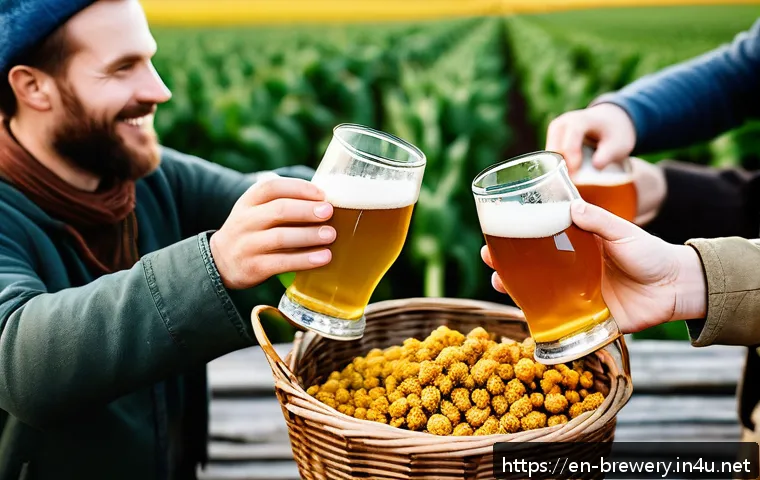
Understanding these traditional brewing methods offers a fascinating glimpse into how modern craft beer flavors come to life. Whether you’re a seasoned enthusiast or just curious, diving into this blend of history and innovation promises a richer appreciation for every sip.
Let’s explore how the art of brewing continues to evolve while honoring its roots.
Exploring the Foundations of Flavor Creation
The Role of Malt in Crafting Character
Malt is the backbone of any beer, and in craft brewing, the selection and treatment of malt can dramatically influence the final flavor profile. Roasting malt to different degrees unlocks a spectrum of tastes, from sweet caramel to rich chocolate notes.
What fascinates me is how subtle variations in malt types can transform a brew completely. For instance, a pale malt base tends to create a lighter, crisper beer, while darker malts bring depth and complexity.
In many craft breweries, brewers experiment with heritage malts that have been used for centuries, bringing traditional tastes into modern recipes. This blend of old and new keeps the flavor exciting and rooted in history.
Yeast: The Invisible Artist
Yeast might be microscopic, but it’s the true artist behind the scenes, converting sugars into alcohol and adding unique flavors and aromas. Different yeast strains can produce wildly different outcomes — some yield fruity esters, others bring spicy phenols.
What I’ve noticed is that many craft brewers prefer wild or mixed fermentations, inspired by age-old farmhouse brewing techniques. This unpredictability adds character and individuality to each batch.
It’s like a living ingredient, evolving with time and environment, which makes each sip an experience of discovery.
Water Chemistry and Its Subtle Influence
Water isn’t just a neutral base; its mineral content can subtly shape the taste and mouthfeel of beer. Brewers who pay attention to water profiles often adjust hardness and pH to highlight certain flavors or balance bitterness.
Historically, famous beer styles emerged from regions with distinctive water qualities — think of the soft water in Pilsen producing light lagers or the hard water in Burton-on-Trent favoring pale ales.
Modern craft brewers continue this tradition, sometimes even replicating historical water profiles to achieve authentic flavor nuances. This attention to detail shows how a simple ingredient can be pivotal in the brewing process.
Embracing Time-Honored Techniques in a Modern World
Traditional Mashing Methods Revisited
Mashing is where malt sugars are extracted, and traditional methods often involve multiple temperature rests to unlock different enzymes. I’ve tried these step mashes myself, and the complexity it adds to the beer’s body and flavor is remarkable.
While many commercial brewers opt for simplified processes, craft brewers frequently embrace these time-consuming techniques to elevate their beer’s texture and character.
This patience pays off, offering a richer mouthfeel and more layered taste that you can genuinely savor.
Fermentation Vessels: From Oak Barrels to Stainless Steel
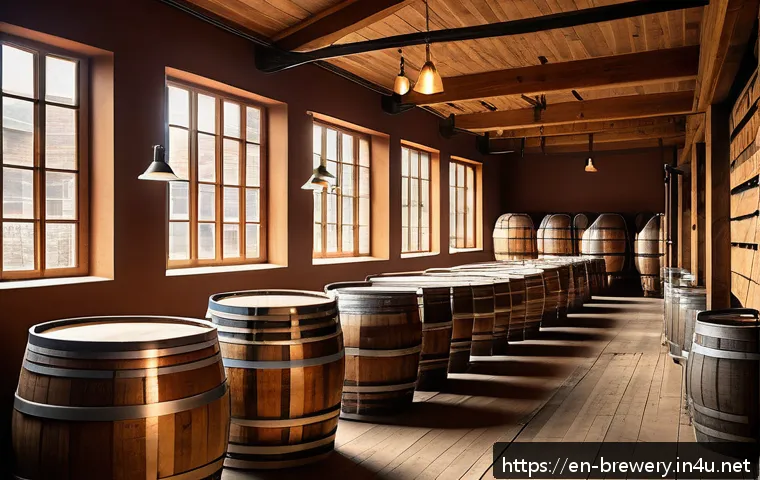
The vessel used for fermentation impacts not only flavor but also the beer’s aroma and clarity. Historically, oak barrels were the norm, imparting subtle woody notes and allowing micro-oxygenation.
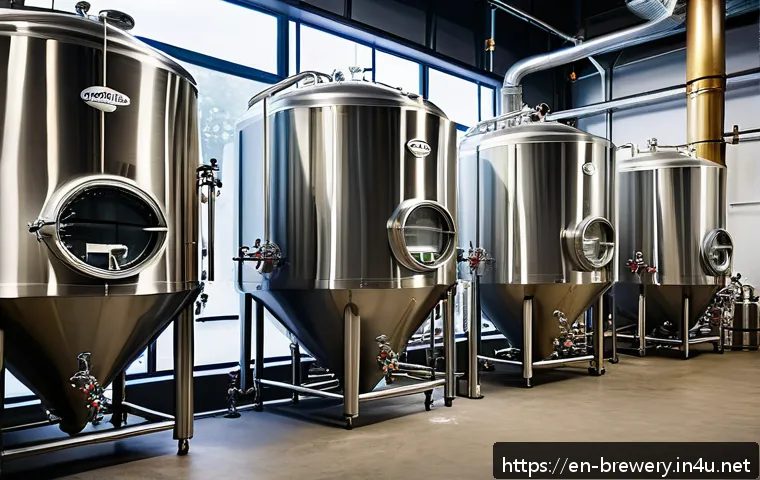
Nowadays, stainless steel tanks are favored for their cleanliness and control, but some craft brewers intentionally use barrels to create sour or funky profiles.
I’ve visited breweries where the old and new coexist — shiny steel fermenters alongside centuries-old barrels — and the contrast highlights how tradition and innovation blend seamlessly in craft brewing.
Conditioning and Carbonation: The Final Touch
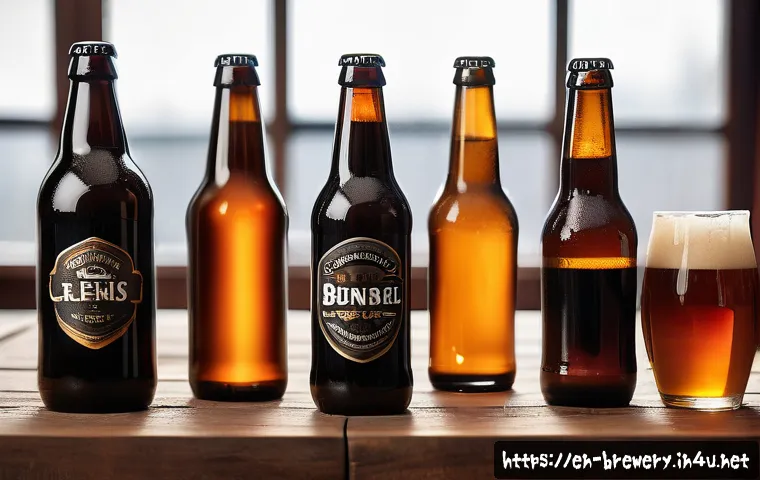
Conditioning is often overlooked but critical for developing smoothness and carbonation balance. Traditional bottle conditioning involves adding yeast and sugar before sealing, allowing natural carbonation and maturation.
This method creates a lively, authentic mouthfeel that’s hard to replicate with forced carbonation. From personal experience, beers conditioned this way often have a more complex aroma and a creamier texture.
Craft brewers who honor this practice are preserving a tactile connection to the past, enriching the drinking experience.
Local Ingredients and Terroir’s Impact on Craft Beer
Harvesting Regional Grains and Hops
One of the most exciting aspects of craft beer today is the focus on local sourcing. Brewers are increasingly turning to regional hops and grains to express a sense of place — or terroir — in their beers.
I’ve tasted beers brewed with hops grown just a few miles away, and the freshness and unique flavor profiles are striking. This local approach not only supports sustainable practices but also connects the drinker to the land and culture behind the brew, creating a more meaningful tasting experience.
Wild Yeasts and Native Microflora
Some brewers take local ingredients even further by embracing native wild yeasts and bacteria for fermentation. This approach, inspired by centuries-old farmhouse brewing, results in beers with distinct regional character and complexity.
When I sampled a beer fermented with wild yeast from a nearby forest, the earthy and slightly tart notes brought a vivid sense of place that’s impossible to reproduce elsewhere.
Such methods celebrate nature’s role in brewing and highlight the delicate balance between human craft and natural processes.
Seasonal and Foraged Additions
Using seasonal or foraged ingredients is another way brewers tie their creations to local environments. From adding spruce tips in spring to juniper berries or wildflowers, these natural elements infuse beer with fresh, vibrant flavors.
I’ve found that these additions often evoke memories and emotions linked to the seasons, deepening the sensory experience. This practice not only honors tradition but also encourages creativity and sustainability within the craft community.
Innovations Rooted in Heritage
Hybrid Styles: Old Meets New
Craft brewers often experiment by blending traditional beer styles with modern twists. For example, combining Belgian farmhouse yeast with American hop varieties can produce beers that surprise and delight.
I’ve seen breweries develop hybrid styles that pay homage to historical recipes while appealing to contemporary palates. This fusion respects the past but doesn’t shy away from pushing boundaries, showing that innovation can coexist with tradition beautifully.
Revival of Forgotten Techniques
Many craft brewers are diving into forgotten or nearly lost brewing methods, such as decoction mashing or spontaneous fermentation. These labor-intensive practices require skill and dedication, but the rewards are beers with unmatched depth and complexity.
I’ve personally tried beers made with decoction mashes and was amazed by the rich malt character and layered flavors that emerged. Rediscovering and adapting these techniques keeps the craft beer scene vibrant and connected to its roots.
Collaborations Celebrating History
Collaborative brews between modern craft breweries and historic breweries or brewmasters are becoming more common. These partnerships blend expertise and legacy, often resulting in limited-edition beers that tell a story through taste.
I’ve had the chance to try some of these collaborations, and the respect for heritage combined with contemporary creativity creates beers that are truly special and memorable.
Understanding the Science Behind Traditional Processes
Enzymatic Activity During Brewing
Traditional brewing methods often harness enzymes naturally present in malt to convert starches into fermentable sugars. This biochemical process is essential for shaping the beer’s body and sweetness.
When I delved into the science behind mashing, I realized how controlling temperature and timing can optimize enzyme function, making a huge difference in flavor.
Such knowledge bridges the gap between art and science, allowing brewers to fine-tune recipes with precision while respecting traditional practices.
The Impact of Fermentation Temperature
Temperature control during fermentation influences yeast metabolism and, consequently, the beer’s aroma and flavor. Historically, open fermentation in cool cellars led to slower, more complex fermentations.
Today’s craft brewers might replicate these conditions by fermenting at lower temperatures or using specific yeast strains to achieve nuanced profiles.
From experience, even slight temperature shifts can alter the outcome significantly, so this aspect of traditional brewing requires both attention and patience.
Oxidation and Preservation Techniques
Managing oxygen exposure is critical in brewing to preserve freshness and prevent off-flavors. Traditional methods, like closed fermentation vessels and careful bottling, aimed to minimize oxidation while allowing beneficial aging.
I’ve observed that brewers who honor these preservation techniques often produce beers with longer shelf life and stable flavor profiles. Understanding these subtle scientific principles helps maintain quality and authenticity in craft beer.
Comparing Traditional and Modern Brewing Approaches
| Aspect | Traditional Techniques | Modern Craft Innovations |
|---|---|---|
| Malt Processing | Manual roasting, heritage malts, varied roasting levels | Specialty malts, automated roasting, consistent profiles |
| Fermentation | Open vessels, wild yeasts, spontaneous fermentation | Closed tanks, pure yeast cultures, temperature control |
| Water Treatment | Natural water profiles, minimal adjustment | Tailored water chemistry, mineral addition |
| Conditioning | Bottle conditioning, barrel aging | Forced carbonation, stainless steel maturation |
| Flavor Additions | Foraged ingredients, local botanicals | Experimental hops, fruit infusions |
Preserving Tradition While Innovating Flavor
Respecting History Through Ingredients and Methods
What strikes me most about the craft beer world is the deep respect brewers have for history. They honor centuries-old recipes and ingredients while daring to reinterpret them for today’s drinkers.
This balance between preservation and innovation makes each beer a story in itself — a narrative of culture, science, and passion poured into a glass.
Community and Education’s Role in Craft Beer Evolution
The craft beer community thrives on sharing knowledge and experiences, from homebrewers to professional brewers. Workshops, festivals, and collaborations help spread awareness of traditional techniques and inspire innovation.
I’ve learned so much just by engaging with fellow enthusiasts, and this collective passion fuels the ongoing evolution of craft beer.
Future Trends Rooted in the Past
Looking ahead, it’s clear that the future of craft beer will continue to draw from its rich heritage. Trends like mixed fermentation, local sourcing, and artisanal methods are gaining momentum.
As brewers explore these avenues, they create beers that are not only delicious but also meaningful, connecting drinkers to brewing’s timeless art in fresh, exciting ways.
In Conclusion
Exploring the foundations of flavor creation reveals how tradition and innovation intertwine in craft brewing. From malt selection to fermentation techniques, every step shapes a beer’s unique character. Embracing both heritage and modern approaches allows brewers to craft distinctive, memorable experiences. This journey through time-honored methods inspires a deeper appreciation for the art and science behind every sip.
Useful Information to Know
1. Malt types and roasting levels significantly influence beer flavor, offering a wide range from light and crisp to rich and complex.
2. Yeast strains contribute unique aromas and tastes, with wild fermentations adding unpredictable but exciting character.
3. Water chemistry plays a subtle but crucial role in balancing flavor and mouthfeel, often replicated to match historic brewing regions.
4. Traditional conditioning methods like bottle conditioning create natural carbonation and enhance texture, enriching the drinking experience.
5. Local ingredients and terroir bring freshness and regional identity to craft beers, connecting drinkers to the environment behind the brew.
Key Takeaways
Understanding the delicate balance between traditional brewing practices and modern innovations is essential for appreciating craft beer’s depth. Techniques such as mashing, fermentation, and conditioning are not just processes but expressions of cultural heritage and scientific precision. Paying attention to ingredients, equipment, and environmental factors ensures quality and authenticity. Ultimately, craft brewing thrives on respecting history while pushing creative boundaries, delivering beers that tell a story with every glass.
Frequently Asked Questions (FAQ) 📖
Q: uestions about Traditional Brewing Methods and Craft BeerQ1: How do traditional brewing techniques influence the flavor of modern craft beers?
A: Traditional brewing methods lay the foundation for the complex flavors found in modern craft beers. Techniques like open fermentation, using wild yeasts, and slow aging allow brewers to develop depth and character that mass-produced beers often lack.
For example, using wooden barrels for fermentation can impart subtle notes of vanilla or oak, enriching the beer’s profile. When I first tasted a craft beer brewed with these methods, I noticed a distinct richness and complexity that made each sip memorable.
These time-honored processes give brewers the creative freedom to experiment while preserving the essence of classic beer styles.
Q: Why are many craft brewers returning to old-fashioned brewing methods?
A: Many craft brewers are embracing traditional techniques because they offer unique flavor opportunities and connect them to the rich history of beer making.
In today’s crowded market, standing out is key, and old methods like souring with natural bacteria or fermenting with heirloom yeast strains create distinct tastes that modern shortcuts can’t replicate.
From personal experience visiting a small brewery that still uses a century-old mash tun, I could see how these methods not only honor tradition but also produce beers with authentic character and complexity.
It’s a blend of respect for heritage and a desire to innovate that drives this resurgence.
Q: Can homebrewers use traditional brewing methods to improve their craft?
A: Absolutely! Homebrewers can definitely benefit from incorporating traditional brewing techniques into their process. Even simple adjustments like fermenting at lower temperatures, using open fermentation vessels, or experimenting with wild yeast can elevate the flavor and authenticity of homebrewed beer.
When I started applying these methods at home, I noticed my batches gained more depth and interesting flavor layers that weren’t there before. Of course, it requires patience and careful monitoring, but the payoff is a more nuanced and rewarding beer that reflects the roots of brewing artistry.