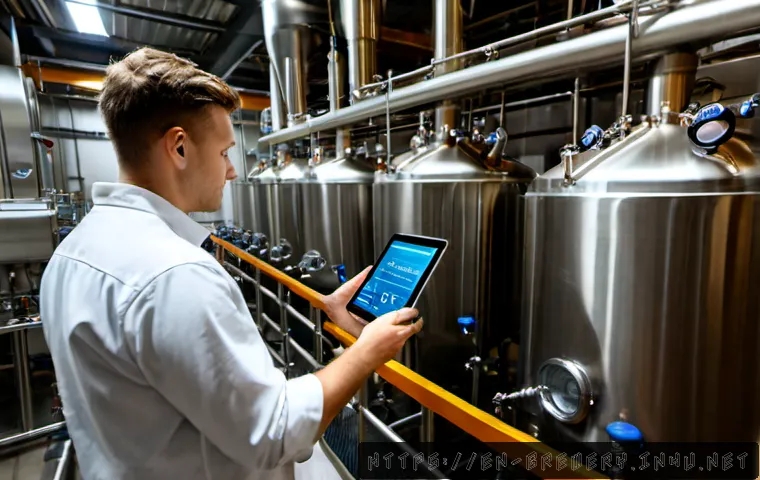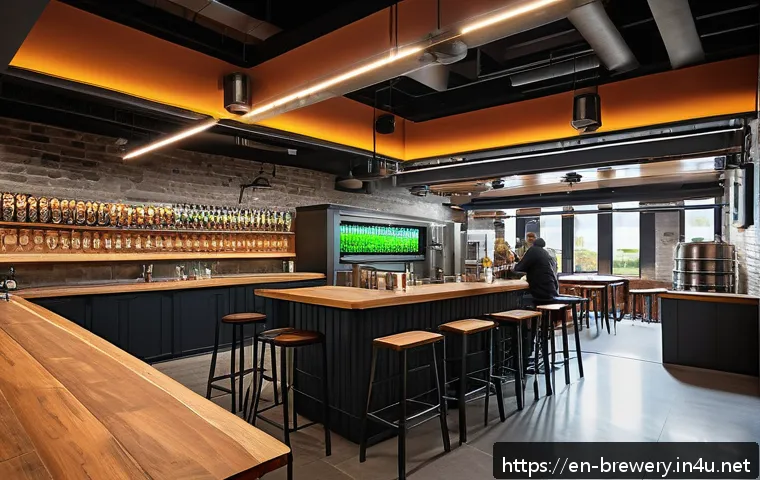
In today’s rapidly evolving craft beer scene, securing your brewery goes beyond just locking doors—it’s about protecting your brand, assets, and most importantly, your customers.
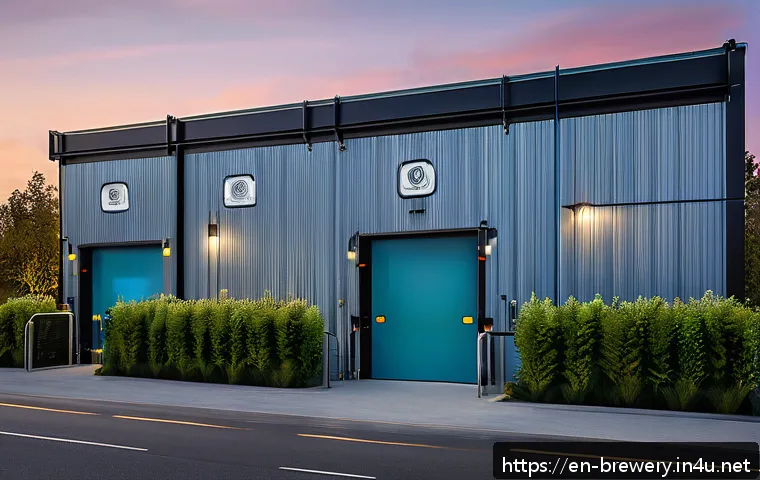
With rising concerns around theft, vandalism, and safety regulations, having a solid security plan is no longer optional. Whether you run a small taproom or a bustling production facility, mastering brewery security is essential to maintain trust and ensure smooth operations.
In this post, I’ll share practical strategies that I’ve found effective firsthand, helping you safeguard your craft while creating a welcoming environment.
Let’s dive into how you can stay one step ahead in protecting what you’ve worked so hard to build.
Designing a Layered Security Approach for Your Brewery
Understanding Vulnerabilities Unique to Breweries
Running a brewery comes with a distinct set of security challenges that differ from typical retail or manufacturing environments. The combination of high-value inventory like expensive hops and malt, bulky equipment, and often open public spaces such as taprooms means there are multiple points of risk.
For example, many breweries have large delivery bays and multiple access doors, which can be exploited if not properly monitored. Additionally, the presence of alcohol introduces regulatory compliance considerations that intertwine with security protocols.
From my experience, identifying these vulnerabilities early on is critical. Walking through your facility as if you were a potential intruder can reveal blind spots in lighting, camera coverage, or physical barriers.
It’s surprisingly easy to overlook how a seemingly minor gap in security can lead to costly theft or damage.
Integrating Physical Barriers with Technology
Once you’ve mapped out your brewery’s weak points, layering physical security measures with technology creates a robust defense. I found that combining sturdy locks, reinforced doors, and window bars with smart surveillance systems offers the best protection.
Modern security cameras with motion detection and night vision allow you to monitor your premises remotely and receive instant alerts. In a taproom setting, consider installing barriers that subtly control customer flow without detracting from the welcoming atmosphere.
For example, half-height gates or decorative fencing can restrict access to sensitive areas like brewing equipment or storage rooms. From personal experience, investing in durable physical barriers pays off when paired with an integrated alarm system that can notify local authorities promptly in case of breach.
Optimizing Security Staff and Protocols
No security setup is complete without trained personnel who understand brewery-specific risks. Whether you employ dedicated security staff or train your team members, regular drills and clear protocols are essential.
I’ve seen breweries where the lack of communication during emergencies resulted in confusion and delayed response times. Establishing who monitors security feeds, how to react to alarms, and procedures for verifying deliveries helps tighten your operational security.
Additionally, consider background checks for employees with access to inventory or financial records to mitigate insider threats. A proactive approach to staffing and protocols builds a culture of vigilance that can prevent incidents before they happen.
Leveraging Surveillance and Access Control Technologies
Choosing the Right Surveillance Cameras
Selecting cameras that suit your brewery’s layout and lighting conditions can be tricky but makes a huge difference. I recommend cameras with wide dynamic range (WDR) because they adjust well to varying light intensities, such as the contrast between a bright taproom and shadowy storage areas.
High-resolution models allow you to zoom in on faces or license plates without losing detail, which has helped me identify trespassers in past incidents.
Wireless cameras offer flexible installation but must be secured against hacking. Balancing cost, coverage, and quality is key—don’t skimp on this area, as the footage you capture could be invaluable for investigations or insurance claims.
Implementing Smart Access Controls
Access control systems have evolved well beyond simple key locks. Using electronic key cards, biometric scanners, or smartphone-enabled locks can restrict access to authorized personnel only.
For breweries with multiple areas—like fermentation rooms, cold storage, and office spaces—setting different access levels prevents accidental or malicious entry.
From my perspective, tracking who enters and exits, and when, helps maintain accountability and quickly spot unusual activity. It’s also a deterrent since employees know their movements are logged.
When integrating access controls, ensure they work smoothly with your existing security infrastructure to avoid bottlenecks or frustrations during busy hours.
Remote Monitoring and Incident Response
One of the biggest advantages of modern technology is the ability to keep an eye on your brewery from anywhere. I’ve personally found peace of mind using apps connected to my security system that send real-time notifications of alarms or suspicious motion.
This means you can act swiftly, whether that’s calling law enforcement or dispatching on-site staff. Setting up predefined response plans for various scenarios—like break-ins, fire alarms, or system failures—ensures that incidents don’t escalate unnecessarily.
Additionally, storing footage securely in the cloud protects against data loss if local equipment is damaged or stolen.
Developing Emergency Preparedness and Staff Training
Creating Clear Emergency Protocols
Emergencies in a brewery can range from fire and chemical spills to security breaches, so having detailed and accessible protocols is a must. I’ve seen breweries benefit greatly from written plans that cover evacuation routes, communication chains, and designated safe zones.
Practicing these plans regularly helps staff react calmly and efficiently under pressure. Including local emergency responders in drills can also improve coordination.
The goal is to minimize confusion and injury while protecting your property and customers.
Training Employees on Security Awareness
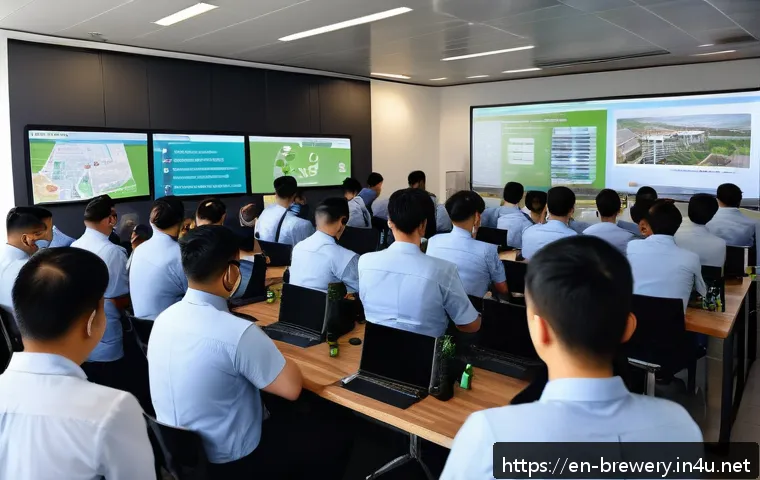
Your staff are your first line of defense, so investing in their security education pays dividends. This includes recognizing suspicious behavior, proper use of access controls, and knowing how to report incidents promptly.
From personal experience, role-playing different scenarios during training sessions made the concepts stick much better than just handing out manuals.
Encouraging an open culture where employees feel comfortable speaking up about concerns fosters teamwork and vigilance. Regular refresher courses ensure everyone stays sharp, especially as your brewery grows or changes.
Balancing Safety and Customer Experience
Security measures should never make your taproom feel like a fortress. I’ve learned that the best approach is to weave safety seamlessly into your guest experience.
For instance, discreetly placed cameras and unobtrusive access points allow patrons to enjoy themselves without feeling surveilled. Clear signage about security policies, delivered in a friendly tone, helps set expectations without dampening the atmosphere.
By prioritizing both protection and hospitality, you build trust with customers who appreciate your professionalism and care.
Safeguarding Inventory and Intellectual Property
Securing Raw Materials and Finished Products
Inventory loss can cripple a brewery, so securing both raw ingredients and finished beer is vital. I’ve found that locking storage rooms and refrigeration units, combined with inventory tracking software, makes a huge difference in preventing theft or spoilage.
Installing tamper-evident seals on kegs and barrels adds another layer of security. Regular audits help detect discrepancies early, so you can address issues before they escalate.
Remember, inventory security isn’t just about locking doors—it’s about creating a system that tracks and protects every valuable asset.
Protecting Your Recipes and Brewing Techniques
Your recipes and brewing processes are the heart of your brand’s identity. I’ve encountered breweries that underestimated the risk of intellectual property theft, only to have their signature blends copied.
Keeping sensitive information on secure servers with restricted access, and using confidentiality agreements for employees and partners, helps safeguard your competitive edge.
Additionally, consider watermarking digital recipe files or segmenting knowledge so no single person has access to the entire formula. While it may sound extreme, protecting your intellectual property is an investment in your brewery’s future.
Managing Vendor and Delivery Security
Deliveries bring essential supplies but also create vulnerabilities. Verifying vendor identities, scheduling deliveries during staffed hours, and monitoring loading docks are all practices I recommend.
Unauthorized personnel shouldn’t have unsupervised access to your facility, so implementing check-in procedures and escorts for visitors strengthens security.
Documenting all incoming and outgoing shipments provides an audit trail that can clarify any discrepancies. This attention to detail prevents losses and maintains smooth operations.
Enhancing Security with Environmental Design
Lighting Strategies for Deterrence and Safety
Proper lighting is one of the simplest yet most effective security tools. I’ve personally noticed that well-lit exteriors and parking areas dramatically reduce the risk of vandalism and theft.
Motion-activated lights near entrances and blind spots can startle intruders and alert staff. Inside the brewery, consistent lighting helps cameras capture clear images and staff identify unusual behavior quickly.
Avoid harsh glare that might blind customers or employees; instead, use warm, inviting lighting that balances safety with ambiance.
Landscaping Considerations to Prevent Concealment
While plants and greenery create an inviting brewery environment, they can also provide hiding spots for intruders. I learned the hard way that overgrown bushes or trees near windows and entrances can be exploited.
Choosing low-maintenance, low-height landscaping minimizes cover for unauthorized persons. Thorny or dense plants near vulnerable areas act as natural barriers.
Regular grounds maintenance should include security checks to ensure landscaping doesn’t obstruct cameras or lighting.
Designing Facility Layouts with Security in Mind
How your brewery is physically arranged influences security effectiveness. For example, positioning offices and monitoring stations with clear sightlines to critical areas enhances oversight.
Separating public areas from production and storage with controlled access points helps manage risk. I’ve found that open floor plans in taprooms encourage natural surveillance by staff and patrons alike.
Incorporating security considerations early in your brewery’s design or renovations saves money and frustration down the line.
Evaluating and Updating Your Security System Regularly
Conducting Routine Security Audits
Security isn’t a set-it-and-forget-it task. Regular audits reveal new vulnerabilities caused by changes in staff, layout, or technology. I recommend quarterly reviews where you test alarms, inspect cameras, and reassess access controls.
Involving multiple team members provides fresh perspectives and catches issues one person might miss. Documenting findings and corrective actions creates accountability and tracks improvements over time.
Staying Informed About Emerging Threats
The security landscape evolves rapidly, with new tactics and technologies emerging constantly. Subscribing to industry newsletters, attending trade shows, or joining brewery associations can keep you informed.
I’ve found that learning from peers’ experiences helps anticipate challenges before they hit. Being proactive rather than reactive means your brewery stays resilient against theft, cyber threats, or regulatory changes.
Budgeting for Security Enhancements
Security investments require thoughtful budgeting. While it’s tempting to cut corners, I’ve seen how skimping on security leads to expensive incidents later.
Prioritize upgrades based on risk assessments and potential impact. Consider phased implementations if budget constraints exist, focusing first on critical vulnerabilities.
Remember to account for ongoing costs like maintenance, software subscriptions, and staff training. Treat security spending as an essential operational expense that protects your bottom line.
| Security Aspect | Recommended Measures | Benefits |
|---|---|---|
| Physical Barriers | Reinforced doors, window bars, secure fencing | Prevents unauthorized entry, deters opportunistic theft |
| Surveillance | High-resolution cameras, motion sensors, remote monitoring | Real-time alerts, evidence collection, deterrence |
| Access Control | Biometric scanners, key cards, smartphone locks | Limits access, tracks personnel movement, enhances accountability |
| Staff Training | Security awareness programs, emergency drills | Improves response, reduces insider risk, builds vigilance culture |
| Environmental Design | Proper lighting, strategic landscaping, facility layout | Enhances visibility, removes hiding spots, supports natural surveillance |
| Inventory Protection | Secure storage, tamper-evident seals, inventory tracking | Reduces theft/spoilage, maintains supply chain integrity |
| Emergency Preparedness | Evacuation plans, communication protocols, coordination with responders | Ensures safety, minimizes damage, expedites recovery |
In Conclusion
Implementing a layered security strategy tailored to your brewery’s unique needs is essential for protecting your assets, staff, and customers. By combining physical barriers, technology, staff training, and thoughtful design, you can create a secure yet welcoming environment. Continuous evaluation and adaptation ensure your security measures stay effective as your brewery grows and evolves. Taking these steps not only safeguards your business but also builds trust within your community.
Helpful Information to Keep in Mind
1. Regularly inspect your facility from an intruder’s perspective to identify and fix security blind spots.
2. Use integrated systems combining physical security and smart technology for comprehensive protection.
3. Train your staff thoroughly on security protocols and encourage open communication about concerns.
4. Balance security measures with customer experience to maintain a friendly, inviting atmosphere.
5. Stay proactive by keeping up with new security trends and budgeting for ongoing improvements.
Key Takeaways
Effective brewery security requires a multi-layered approach that includes physical defenses, advanced surveillance, and controlled access systems. Staff training and emergency preparedness are critical to ensuring quick, coordinated responses to incidents. Environmental design elements like lighting and landscaping play a subtle yet powerful role in deterring threats. Regular audits and staying informed about emerging risks help maintain a resilient security posture. Prioritizing these elements protects your brewery’s assets, reputation, and future growth.
Frequently Asked Questions (FAQ) 📖
Q: uestions about Brewery SecurityQ1: What are the most effective security measures for a small craft brewery taproom?
A: From my experience, layering security is key. Start with sturdy locks on all entry points and invest in a quality alarm system that notifies you instantly of any breach.
Installing visible security cameras not only deters potential thieves but also provides valuable footage if incidents occur. Additionally, well-trained staff who know how to spot suspicious behavior can be your first line of defense.
Balancing security with a welcoming atmosphere is crucial, so choose discreet but effective solutions.
Q: How can breweries protect their brand and customer trust through security?
A: Protecting your brand goes beyond physical safety—it’s about ensuring customers feel safe and confident every time they visit. I’ve found that transparent communication about your security practices builds trust.
For example, letting patrons know you have surveillance and safety protocols in place reassures them. Also, securing your supply chain and inventory prevents counterfeit or tampered products, which can seriously damage reputation.
Regularly updating security policies and training staff helps maintain a consistent, professional image.
Q: What challenges do large production breweries face in security, and how can they overcome them?
A: Large facilities face unique challenges like managing multiple access points, large inventories, and compliance with safety regulations. In my time consulting with bigger breweries, I’ve seen that integrating electronic access control systems—such as key cards or biometric scanners—helps monitor who enters sensitive areas.
Combining this with 24/7 video surveillance and regular security audits can close gaps. It’s also vital to foster a security-conscious culture among employees, so everyone takes responsibility.
Investing in professional security services can offer expertise that internal teams might lack.