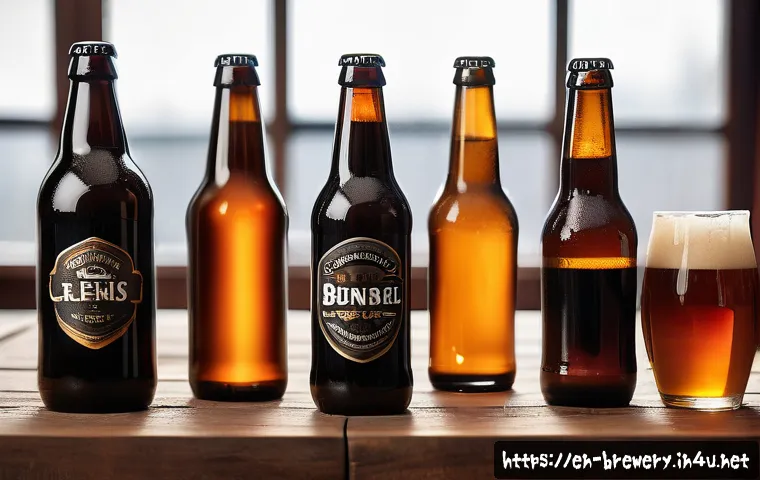
As summer gatherings and outdoor events become more popular than ever, many of us are reaching for that perfectly chilled, crisp lager to beat the heat.
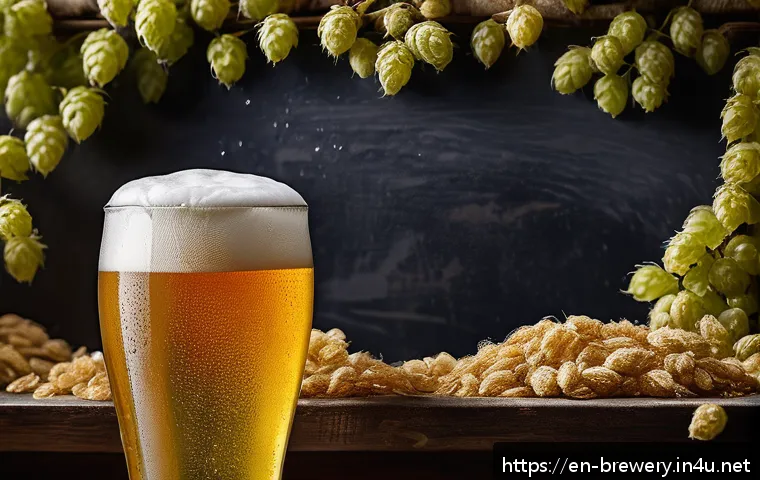
But have you ever wondered what exactly gives lager its signature refreshing quality? Whether you’re a casual beer drinker or a budding enthusiast, unlocking the science and craft behind lager can deepen your appreciation for every sip.
Today, we’re diving into the secrets that make lager beer so irresistibly smooth and thirst-quenching. Stick around, because understanding these details might just change the way you enjoy your next cold one.
How Temperature Shapes Lager’s Crisp Profile
Cold Conditioning and Its Impact on Flavor
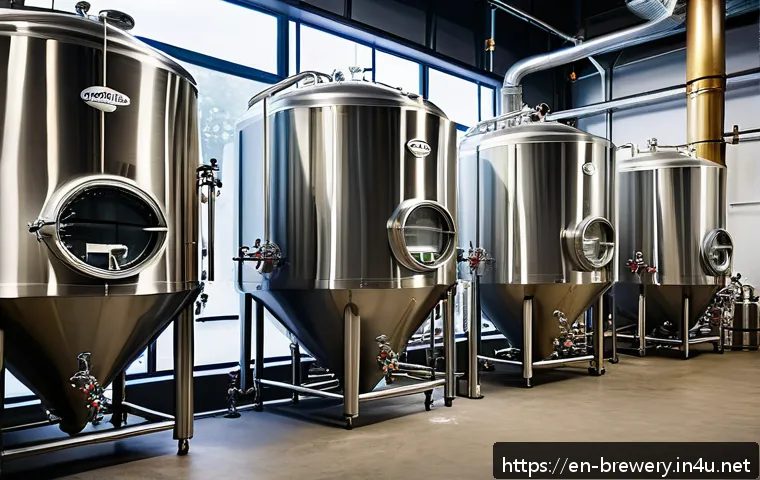
One of the defining elements that gives lager its signature crispness lies in the cold conditioning process, also known as lagering. Unlike ales, lagers undergo fermentation at lower temperatures—typically between 45°F to 55°F—which slows down yeast activity.
This slow fermentation results in fewer fruity esters and phenols, contributing to a cleaner, more refined taste. After primary fermentation, lagers are stored at near-freezing temperatures for weeks or even months.
This extended cold storage helps unwanted flavors dissipate and encourages the beer to develop a smooth, polished finish. From my experience tasting freshly lagered beers versus those rushed through the process, the difference in clarity and smoothness is unmistakable.
Why Serving Temperature Matters
The way lager is served plays a huge role in how refreshing it tastes. Serving lager too warm can bring out off-flavors and make it seem flat or dull, while serving it icy cold enhances the beer’s light body and effervescence.
Ideally, lagers are best enjoyed between 38°F and 45°F, which keeps them crisp without numbing the palate. I’ve noticed that when I serve lagers at this sweet spot, the carbonation feels livelier and the malt’s subtle sweetness shines through more clearly.
It’s a simple tweak that can totally change your drinking experience.
The Role of Yeast and Fermentation Timing
The Unique Lager Yeast Strain
Lagers owe much of their character to the specific yeast strains used—Saccharomyces pastorianus, which ferments at cooler temperatures than ale yeast.
This yeast metabolizes sugars more slowly and produces less esters and phenolic compounds, which means the beer has a cleaner, crisper flavor profile.
Unlike ale yeast, which can create fruity and spicy notes, lager yeast keeps flavors subtle, allowing malt and hops to shine without distraction. When I first brewed a lager using ale yeast accidentally, the resulting beer was noticeably fruitier and lacked that trademark crispness, which taught me the importance of yeast selection.
Fermentation Duration and Its Effects
Another factor is the length of fermentation. Lagers take longer to ferment than ales—often several weeks to months—due to the cooler temperatures slowing yeast metabolism.
This slow fermentation allows for better flavor development and maturation, reducing harsh or yeasty notes. I’ve found that rushing this process often results in a beer that tastes “green” or unfinished.
Patience is key with lagers, and the extended timeline rewards brewers with a smoother, more balanced beer that’s incredibly refreshing.
The Influence of Malt and Hops on Lager’s Balance
Choosing Malts for Subtle Sweetness
The malt bill in lagers is generally simpler compared to other beer styles, focusing on pale malts like Pilsner or Vienna malt. These provide a gentle sweetness and a light body without overpowering the palate.
The sweetness from malt balances the bitterness of hops and gives lagers their approachable flavor. When I experimented with darker malts in a lager recipe, the beer lost that clean, light quality and felt heavier, showing how malt choice directly influences the beer’s drinkability.
Hop Varieties that Complement Lager
Lagers often use noble hops—such as Saaz, Hallertau, or Tettnang—that impart delicate floral, herbal, or spicy notes rather than aggressive bitterness.
This restrained hop profile keeps the beer refreshing and easy to drink, perfect for hot weather or social gatherings. From personal tastings, lagers with noble hops deliver a gentle bitterness that cleanses the palate, making every sip feel crisp and thirst-quenching.
Overly hoppy lagers can feel unbalanced and detract from the smooth experience.
Carbonation’s Role in Refreshment
Natural vs. Forced Carbonation
Carbonation is a crucial factor in what makes lagers so thirst-quenching. Naturally carbonated lagers undergo a secondary fermentation in the bottle or keg, creating fine bubbles that enhance mouthfeel and crispness.
Forced carbonation, commonly used in commercial brewing, can mimic this effect but sometimes lacks the subtle finesse. I’ve noticed that naturally carbonated lagers tend to have a more lively and pleasing bubble structure, which plays a big role in how refreshing the beer feels.
How Carbonation Enhances Flavor Perception
Bubbles don’t just add fizz; they also stimulate the palate, lifting flavors and aromas. The effervescence cuts through the malt’s sweetness and balances bitterness, creating a harmonious drinking experience.
When I drink a flat lager, even if it tastes fine, it lacks that uplifting sensation that makes lagers so enjoyable. The right level of carbonation is like the final brushstroke that completes the beer’s refreshing profile.
Water Chemistry and Its Subtle Impact
Mineral Content Tailored for Lager
Water is an often overlooked but essential ingredient in lager brewing. Different mineral compositions influence how hops and malt flavors express themselves.
For example, the soft water of Pilsen, Czech Republic, is famous for producing ultra-clean and delicate Pilsner lagers. Hard water with higher sulfate levels can accentuate hop bitterness and dryness.
From my homebrewing experiments, adjusting water minerals made a surprising difference—soft water recipes yielded smoother lagers, while harder water created sharper, more pronounced bitterness.
Balancing pH for Optimal Fermentation
The pH level of brewing water and mash affects enzyme activity during malting and fermentation. Maintaining a slightly acidic environment (around pH 5.2-5.6) helps convert starches efficiently and promotes healthy yeast fermentation, which directly contributes to the beer’s clean taste.
I’ve learned that neglecting pH control can lead to off-flavors or sluggish fermentation, both of which spoil lager’s hallmark crispness. Precision in water chemistry is a subtle art that can elevate a lager from good to exceptional.
Common Misconceptions About Lager Clarity and Taste
Is Clear Always Better?
Many people associate lagers with crystal-clear appearance, but clarity doesn’t necessarily equal quality. While most lagers are filtered or conditioned to be bright, some traditional styles like Helles or Dunkel may have a slight haze due to residual proteins or yeast.
From visiting breweries and chatting with brewers, I’ve gathered that a slight haze can even add mouthfeel and complexity without compromising drinkability.
So, don’t judge a lager solely by its transparency.
Why All Lagers Aren’t the Same
Not all lagers taste alike—regional variations and brewing techniques create a wide range of flavors, from the crisp and dry Czech Pilsner to the malt-forward German Helles or the toasty Vienna lager.
Each style brings unique nuances shaped by ingredients, water, and fermentation. When I first ventured beyond popular commercial lagers, I was amazed at how diverse this category truly is.
It’s a reminder that “lager” is a broad term encompassing many distinct beers, each with its own refreshing charm.
| Factor | Effect on Lager | My Observations |
|---|---|---|
| Fermentation Temperature | Slower yeast activity, cleaner flavor | Lower temps yield smoother, less fruity lagers |
| Yeast Strain | Less esters and phenols, crisp profile | Mistaken ale yeast made beer fruitier and less crisp |
| Malt Type | Light sweetness, balanced body | Darker malts made lager heavy and less refreshing |
| Hop Varieties | Delicate bitterness, floral/herbal notes | Noble hops provide gentle bitterness enhancing crispness |
| Carbonation | Enhances mouthfeel and flavor lift | Natural carbonation feels livelier than forced |
| Water Chemistry | Influences flavor balance and fermentation | Soft water produced smoother lagers in my brews |
Conclusion
Lager’s distinctive crispness is truly shaped by a combination of careful temperature control, yeast selection, and ingredient balance. From cold conditioning to precise carbonation, each step refines the beer’s clean and refreshing character. Through my own brewing and tasting experiences, I’ve learned that patience and attention to detail make all the difference in achieving that perfect lager profile.
Helpful Tips to Remember
1. Always ferment lagers at cooler temperatures to slow yeast activity and reduce fruity flavors.
2. Serve lagers chilled between 38°F and 45°F to enhance their refreshing qualities without dulling taste.
3. Choose pale malts and noble hop varieties to maintain a balanced, crisp flavor.
4. Consider natural carbonation for a livelier mouthfeel that boosts overall drinkability.
5. Pay close attention to water chemistry, especially mineral content and pH, to support clean fermentation and flavor clarity.
Key Takeaways
Temperature control during fermentation and conditioning is essential to achieve lager’s signature smoothness and clarity. Selecting the right yeast strain and malt profile ensures the beer remains crisp and balanced. Proper carbonation and serving temperature amplify the refreshing experience, while water composition subtly influences flavor development. Ultimately, patience and precision throughout the brewing process are crucial to crafting a truly exceptional lager.
Frequently Asked Questions (FAQ) 📖
Q: What makes lager beer so refreshing compared to other types of beer?
A: Lager’s refreshing quality mainly comes from its fermentation process and ingredient choices. Unlike ales, lagers are fermented at cooler temperatures using bottom-fermenting yeast, which results in a cleaner, crisper taste with fewer fruity esters.
This low-temperature fermentation slows down the process, allowing flavors to mellow and develop smoothness. Additionally, lagers typically use lighter malts and have a moderate hop bitterness, creating that perfect balance that feels light and thirst-quenching—ideal for hot weather or outdoor gatherings.
Q: How does the brewing process of lager affect its flavor and texture?
A: The brewing process of lager involves a longer, colder fermentation and a period called “lagering,” where the beer is stored at near-freezing temperatures for several weeks.
This extended cold storage helps to clarify the beer by settling out unwanted proteins and yeast, resulting in a bright, clear appearance and a silky mouthfeel.
The slow maturation also reduces harsh flavors and bitterness, delivering a smooth, mellow character that’s easy to drink. From my experience, this process is what sets lagers apart, making them feel lighter and more refreshing compared to quicker-fermented beers.
Q: Can I enjoy lager beer if I’m new to craft beers or prefer milder flavors?
A: Absolutely! Lagers are often considered a great entry point for those new to craft beer because of their smooth, balanced profile. Unlike some IPAs or stouts that can be intense or heavy, lagers offer a gentle hop bitterness and a clean malt backbone, making them approachable and enjoyable for a wide range of palates.
When I first started exploring beer, lagers were my go-to because they didn’t overwhelm my taste buds but still delivered satisfying flavor. So whether you’re just starting out or prefer milder drinks, lagers are a perfect, crowd-pleasing choice.