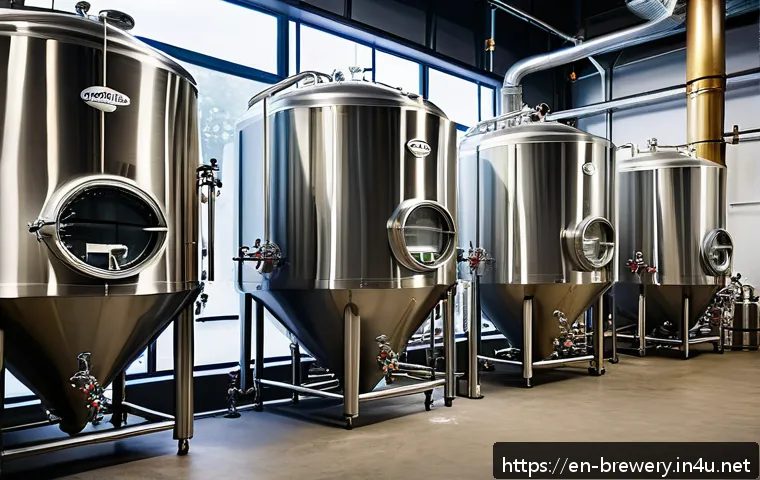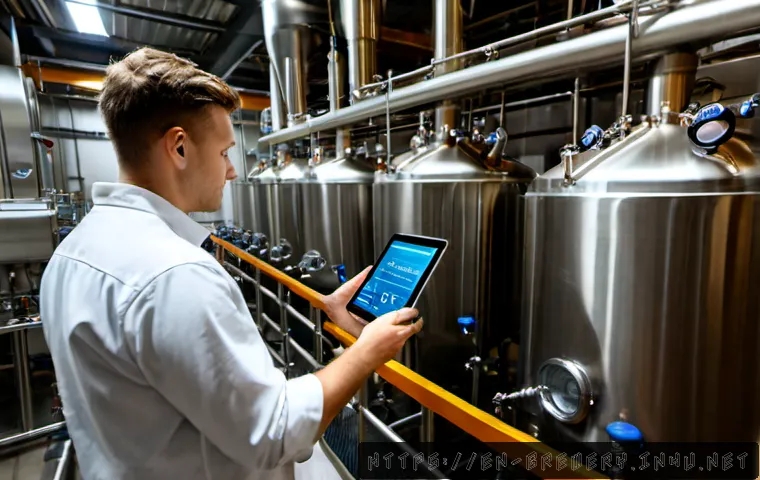
Craft brewery production optimization starts with measuring losses, stabilizing recipes, improving cleaning and scheduling, and choosing equipment upgrades only where they protect quality and improve capacity.
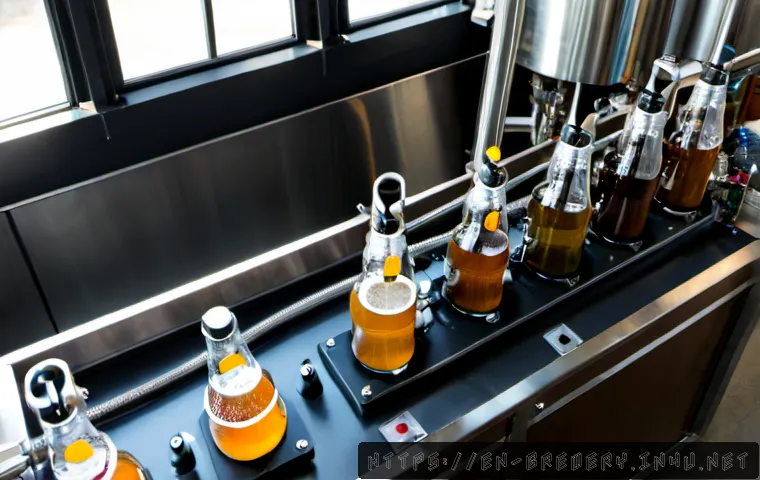
Craft brewery optimization works best when you first stabilize the process, measure losses, and remove the real bottleneck before buying equipment. The highest-impact areas are usually brewing consistency, fermentation control, cleaning time, packaging losses, and production scheduling. This approach helps owners compare brewery equipment, process-control software, cleaning systems, laboratory testing, and consulting services without assuming that a larger machine automatically creates more output. The right choice depends on the brewery’s batch size, product mix, staffing, cellar space, and packaging setup. Any major process change should be tested through pilot-scale validation and sensory review before it becomes standard practice.
At a Glance
- Measure before upgrading: consistent batch records reveal whether yield, cleaning, fermentation, or packaging is limiting production.
- Protect quality first: milling, mash control, yeast handling, sanitation, and oxygen management all affect beer consistency.
- Buy for the bottleneck: new capacity helps only when cellar space, labor, cleaning time, and packaging can support it.
| Process issue | Likely cause | Low-cost action | Equipment or service option | Validation metric |
|---|---|---|---|---|
| Variable extract yield or slow lautering | Inconsistent malt milling or variable mash conditions | Document mill settings and batch checks | Mill assessment, brewhouse controls, production consulting | Consistent batch records for yield, lautering, and wort clarity |
| Fermentation inconsistency | Yeast health, pitch rate, oxygen, temperature, or sanitation variation | Standardize yeast and fermentation records | Fermentation monitoring, laboratory testing, temperature-control equipment | Repeatable fermentation performance and sensory review |
| Long cleaning delays | Manual work, poor sequencing, or an unvalidated cleaning routine | Map cleaning steps and changeover timing | Clean-in-place system design, cleaning service, preventive maintenance | Cleaning time and sanitation verification records |
| Packaging waste or shelf-stability concerns | Dissolved oxygen pickup, inconsistent fills, or transfer losses | Track losses by transfer and packaging run | Packaging equipment support, quality-control tools, laboratory testing | Fill consistency, packaging losses, and dissolved oxygen checks |
| Missed production targets | Tank, labor, cleaning, or packaging bottlenecks | Review the production schedule across all departments | Scheduling software, cellar expansion, packaging-line evaluation | Usable capacity rather than brewhouse capacity alone |
Where Production Efficiency Has the Biggest Effect on Craft Beer Quality and Margin
Three Immediate Priorities: Consistency, Loss Reduction, and Usable Capacity
The best starting point is not “How can we brew faster?” It is “Where do we lose beer, time, or repeatability?” Consistent production protects recipe intent. Loss reduction protects the beer that has already consumed ingredients, labor, tank time, and packaging materials. Usable capacity shows whether the brewery can actually complete more beer through fermentation, cleaning, packaging, and dispatch.
Track the same definitions from batch to batch. Production data becomes useful only when records use consistent measurements and definitions. A simple, repeatable batch record is often more valuable than a large collection of inconsistent notes.
Why Faster Production Is Not Always Better Production
A shorter brew day does not automatically improve brewery operations. Rushing mash, lautering, fermentation, cleaning, or packaging can introduce variation that costs more later through rework, waste, delayed releases, or inconsistent beer. Brewing efficiency should support the quality target for each beer style, not override it.
Before changing a process, identify the quality checkpoint that must remain protected. For example, a revised cleaning routine should still be properly designed and validated. A fermentation change should be reviewed through process records and sensory evaluation rather than speed alone.
Metrics Worth Tracking From Grain Intake to Packaged Beer
Useful categories include milling observations, mash temperature, pH, time, lautering performance, wort clarity, fermentation conditions, cleaning duration, transfer losses, packaging losses, dissolved oxygen pickup, and fill consistency. The goal is not to create paperwork for its own sake. It is to make the next decision easier: improve a routine, add training, use software, schedule maintenance, or evaluate new hardware.
Compare Optimization Options Before Buying Brewery Equipment
Process Discipline Versus Capital Investment
Many breweries can improve output with clearer operating procedures before purchasing new brewery equipment. Standard work, better scheduling, preventive maintenance, and reliable batch records can expose the real constraint. If the issue remains after these basics are controlled, a capital investment may be justified.
For example, an additional brewhouse vessel may not increase packaged volume if fermentation tanks are occupied, cleaning time is long, or the packaging line is the limiting step. Equipment capacity is only one part of production capacity.
Comparison Criteria for Milling, Brewhouse, Fermentation, CIP, Packaging, and Data Systems
Compare each option against the specific problem it solves. A mill upgrade should be assessed for its effect on milling consistency, extract yield, lautering performance, and wort clarity. Brewhouse controls should support repeatable mash temperature, pH, time, and boil management. Fermentation equipment should fit the brewery’s yeast, oxygen, temperature, and sanitation practices.
A clean-in-place system may reduce manual cleaning time when it is correctly designed and validated. Packaging equipment should be reviewed for transfer losses, dissolved oxygen pickup, and fill consistency. Production software is most useful when the team is ready to enter and review consistent data.
How to Assess Total Cost
Purchase price is only one comparison point. Include utilities, maintenance, labor, downtime, cleaning requirements, operator training, integration with existing systems, and service support. A lower-cost option can become expensive if it creates difficult changeovers or requires frequent interruption. Likewise, a more advanced system may add complexity without providing useful control for a smaller operation.
Improve the Core Brewing Workflow Step by Step
Standardize Raw-Material Handling and Milling Checks
Malt milling consistency can affect extract yield, lautering performance, and wort clarity. Establish a routine for recording milling checks and using the same terminology across shifts. If variation appears, review the material-handling and milling process before assuming the brewhouse is at fault.
Control Mash, Lautering, and Boil Variables With Repeatable Batch Records
Mash temperature, pH, and time influence fermentable sugar composition and beer body. Boiling supports wort sterilization, hop utilization, and removal of certain volatile compounds. Record the variables that matter to the recipe, then compare like with like. This gives brewers a practical basis for deciding whether a process adjustment is repeatable or merely a one-batch result.
Protect Fermentation Performance Through Yeast and Temperature Management
Fermentation depends on several connected factors: yeast health, pitch rate, oxygen management, temperature, and sanitation. A strong brewery quality-control routine treats these as a system rather than isolated tasks. If a brewery is considering fermentation monitoring tools or laboratory testing, the purchase should support a defined verification step already used by the brewing team.
Reduce Cleaning Delays Without Weakening Sanitation Verification
Cleaning is often treated as downtime, but inadequate cleaning creates much larger risks for consistency. Map each cleaning sequence, identify manual handoffs, and document the validation method. Correctly designed and validated CIP procedures can reduce manual cleaning time, but they should not be adopted as a shortcut around sanitation verification.
Prevent Common Sources of Waste, Rework, and Inconsistent Beer
Hidden Losses in Transfers, Trub, Dry Hopping, and Packaging
Losses can be spread across several small steps, making them easy to overlook. Transfers, trub handling, dry hopping, and packaging all deserve clear recording. Packaging losses matter because they affect profitability directly, while dissolved oxygen pickup and inconsistent fill levels can also affect shelf stability.
Avoid Bottlenecks Caused by Tank Scheduling and Changeovers
Review the entire production calendar rather than just brewhouse days. Tank availability, labor coverage, cleaning windows, packaging runs, and changeovers must align. A brewery may appear short on brewhouse capacity when the actual constraint is cellar space or packaging availability.
When Automation Creates Complexity Instead of Useful Control
Automation is valuable when it makes critical work more repeatable, visible, or manageable. It is less useful when it duplicates a process that is not yet defined. Before adding automated controls or brewery management software, clarify who will use the data, which decision it will support, and how exceptions will be handled.
Choose the Right Path for Your Brewery Size and Production Model
Small Taproom Breweries: Prioritize Repeatability and Labor-Saving Routines
Small taproom breweries may benefit most from reliable batch records, clear cleaning routines, and practical scheduling. Focus on preventing avoidable variation and reducing repetitive manual work where it does not add brewing value. Large equipment purchases should be weighed against available space, staff capacity, and the actual production constraint.
Growing Distribution Breweries: Focus on Cellar Capacity, Packaging Reliability, and Quality Control
Growing producers need to understand whether additional volume can move through fermentation and packaging without increasing inconsistency. Cellar capacity, packaging reliability, dissolved oxygen management, fill consistency, laboratory testing, and preventive maintenance become more important as more beer moves beyond the brewery.
Contract and Multi-Brand Breweries: Prioritize Scheduling, Traceability, and Changeover Discipline
Contract and multi-brand operations benefit from strong scheduling, detailed traceability, and disciplined changeovers. Clear batch records help separate recipe-specific requirements from shared operating procedures. Production-control software can be useful when it supports consistent definitions across brands, tanks, cleaning cycles, and packaging runs.
Selection Criteria and Comparison Summary
Before requesting equipment or production consulting quotes, confirm the current bottleneck, available cellar and packaging capacity, cleaning requirements, operator workload, service support, integration needs, and validation plan. Compare capacity, cleaning time, service support, and total operating cost—not just the purchase specification. Choose process training when routines are inconsistent, software when reliable data needs better visibility, preventive maintenance when downtime is the issue, and new hardware when a verified physical constraint remains. Review official product documentation and detailed service conditions on the relevant provider’s page before making a purchase decision.
In Closing
Production optimization is most reliable when it begins with the brewery’s own process data. Stabilize the variables that affect quality, identify where beer or time is lost, and then test improvements against clear records and sensory review. Equipment can be a strong solution, but only when it addresses the real operational constraint. A brewery that protects consistency while reducing avoidable waste is in a better position to scale responsibly.
Useful Information to Keep in Mind
Batch records: Use the same measurements and terms each time. Cleaning: Reduce manual work only when sanitation verification remains strong. Packaging: Monitor losses, dissolved oxygen pickup, and fill consistency. Capacity: Evaluate brewhouse, cellar, labor, cleaning, and packaging together.
Important Considerations
Actual savings, payback periods, equipment prices, production gains, utility costs, staffing needs, and regulatory requirements vary by brewery. A change that appears efficient in one operation may not protect quality in another. Validate significant process changes at pilot scale where appropriate, review sensory results, and confirm equipment compatibility, support terms, and local requirements before committing.
Frequently Asked Questions
Q1. What is the most cost-effective way for a small craft brewery to improve production efficiency?
A1. Start by standardizing batch records, cleaning routines, milling checks, fermentation practices, and scheduling. This can reveal losses or delays before the brewery commits to new equipment. The most cost-effective next step depends on the operation’s verified bottleneck.
Q2. When should a brewery invest in automation rather than improving manual procedures?
A2. Consider automation after the manual process is clearly defined, consistently measured, and shown to be a repeatable constraint. Automation should provide useful control, visibility, or labor relief without making cleaning, maintenance, or training unnecessarily complex.
Q3. Which brewery upgrades are most likely to reduce waste and protect beer quality?
A3. The appropriate upgrade depends on where the brewery sees losses. Options may include improved milling control, fermentation monitoring, validated CIP systems, packaging support, laboratory testing, or production data systems. Compare each option against its expected effect on consistency, sanitation, packaging losses, oxygen pickup, fill levels, and usable capacity.