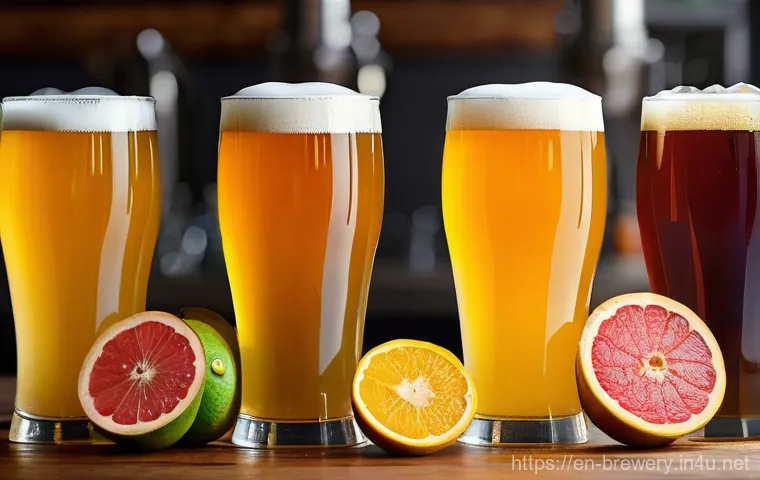
Hey there, fellow beer enthusiasts! If you’re anything like me, you’ve probably spent countless hours savoring everything from a crisp, refreshing lager to a bold, hop-bomb IPA.
But have you ever truly paused to consider just how much difference a single hop variety can make? Trust me, after countless brewing experiments in my own kitchen and tasting sessions with friends, I’ve come to appreciate the incredible spectrum of aromas and flavors these tiny green cones deliver.
It’s not just about bitterness anymore; with the craft beer revolution constantly pushing boundaries, new hop breeds are emerging that totally redefine what’s possible, adding notes of tropical fruit, dank pine, or even savory spice to our favorite brews.
Understanding these nuances isn’t just for professional brewers; it’s about elevating your entire drinking experience and truly appreciating the artistry in every pint.
Ready to unlock the secrets behind your favorite brews and perhaps discover some new ones that will totally blow your mind? Let’s dive deeper and explore the captivating world of hop taste differences together!
Unleashing the Juicy & Tropical Revolution
The Rise of Fruit-Forward Hops
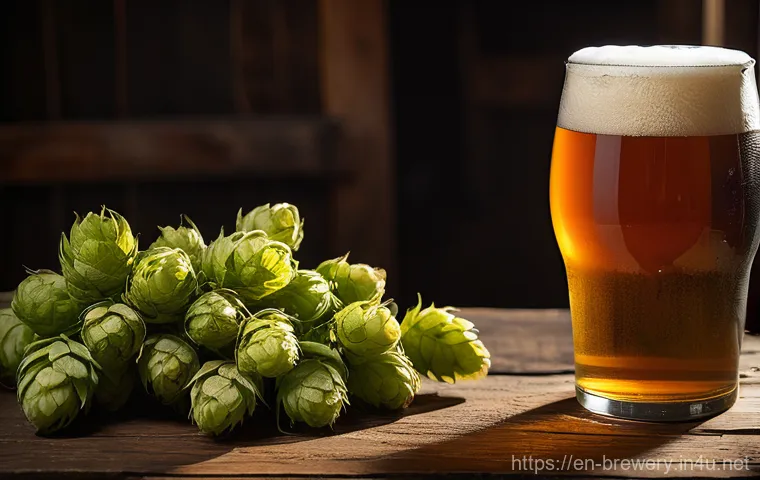
Oh, if there’s one thing that truly captures the spirit of modern craft beer, it’s the explosion of juicy, tropical hop flavors! It feels like just yesterday we were all chasing intensely bitter IPAs, and now, it’s all about that vibrant fruit punch to the senses.
Hops like Citra, Mosaic, and Galaxy have completely redefined what we expect from a beer, bringing forth an intoxicating array of notes that just sing of summer.
I mean, who doesn’t love a beer bursting with grapefruit, passion fruit, and mango? When I first started experimenting with these varieties in my own small batch brews, I was absolutely blown away.
The sheer intensity and clarity of the fruit flavors you can extract are incredible. It’s not just a subtle hint; we’re talking full-on juicy citrus and ripe stone fruit dominance that makes you forget you’re even drinking a beer sometimes.
Brewers are constantly pushing the boundaries here, finding new ways to amplify these incredible aromas and tastes, often through massive dry-hopping techniques that really let those hop oils shine.
It’s like a delicious, hoppy arms race, and honestly, I’m here for every single juicy drop!
My Personal Dive into Tropical Fermentations
I remember my first “aha!” moment with tropical hops. I was brewing a New England IPA, a style I’ve really grown to adore, and I went heavy on the Citra and Mosaic.
When I popped that first fermenter lid, the aroma was just… mind-blowing. It smelled like a fruit stand had exploded in my kitchen – notes of ripe mango, juicy pineapple, and a touch of zesty lime filled the air.
My friends, who are usually my guinea pigs for new brews, were equally captivated. One friend, who typically sticks to lagers, even admitted it was “dangerously drinkable.” That’s the magic right there!
We’re seeing breweries use these in everything from hazy IPAs to crisp lagers, proving just how versatile these flavor bombs can be. For instance, I recently had a lager that surprised me with distinct mango and passionfruit notes, which I later found out came from Amarillo and Galaxy hops.
It’s a testament to how creative brewers are getting, not just with IPAs, but reimagining classic styles with these modern, fruit-forward varieties.
Embracing the Old-School Dankness and Pine
The Resinous Charm of Classic IPAs
Now, while the tropical wave is undeniably fun, there’s a part of me that will always have a soft spot for the classic, piney, and yes, *dank* hops that defined the West Coast IPA scene for so long.
Think about those iconic brews that hit you with a powerful aroma of fresh-cut pine, sticky resin, and a hint of grapefruit zest. Hops like Chinook, Simcoe, and Centennial are the undisputed champions here.
When I first got into craft beer, these were the flavors that grabbed me by the collar and said, “Welcome to the real beer world!” There’s something so comforting and assertive about that resinous bitterness, a character that feels rooted in the Pacific Northwest forests where many of these hops originated.
It’s a flavor profile that demands your attention, contrasting beautifully with a solid malt backbone. I recall one batch where I used a healthy dose of Chinook and Simcoe for bittering and dry hopping; the resulting beer had this incredible, almost tangible pine needle aroma that made you feel like you were hiking through a dense forest.
It was potent, unapologetic, and exactly what I was aiming for.
Finding That Earthy, Herbal Balance
But “dank” isn’t just about pine and resin; it can also carry a wonderful earthy and herbal complexity that adds depth to a brew. Varieties like Columbus (sometimes known as CTZ) often contribute these earthy, spicy, and even slightly savory notes, sometimes with a subtle citrus undertone.
I’ve found that these hops can be absolute workhorses, providing both a robust bitterness and layers of intriguing aroma. My go-to local brewery uses Columbus in nearly all their IPAs, and I’ve always admired how it weaves in this grounding, slightly peppery character that prevents the beer from becoming one-dimensional.
It’s that kind of subtle complexity that keeps you coming back for another sip, trying to decipher all the nuances. There’s also an almost “green” quality to some of these danker hops, reminiscent of fresh cannabis or wet earth, which, when balanced correctly, can be absolutely captivating.
It’s a fine line to walk as a brewer, ensuring these powerful aromatics complement rather than overwhelm, but when it’s done right, it’s pure magic.
Beyond the Bold: Delicate Florals and Spicy Kicks
When Hops Bring the Garden to Your Glass
While big fruit and dankness often steal the show, let’s not forget the exquisite world of floral and spicy hops. These often-overlooked varieties bring a whole different dimension to beer, capable of transforming a simple brew into something truly elegant.
Think about the classic Noble hops like Saaz or Hallertau Mittelfrüh, the backbone of many traditional lagers and Pilsners. They impart delicate, refined aromas of fresh cut flowers, green tea, and a subtle spiciness that’s simply unmatched.
I distinctly remember trying a traditional German Pilsner a few years back, and it had this stunning, almost rose-like floral character that lingered beautifully.
It was such a departure from the hop bombs I usually gravitate towards, and it reminded me just how diverse the hop world truly is. Even some American hops, like certain expressions of Centennial, can offer lovely floral notes alongside their citrusy punch.
It’s about finding that gentle balance, where the floral notes aren’t perfumey or overwhelming, but rather add a sophisticated layer to the overall beer experience.
These are the hops that make you slow down and really appreciate the artistry.
A Pinch of Spice for Your Pint
And then there’s the spicy side of hops! Beyond the black pepper and curry notes you sometimes get from Columbus, some varieties offer a more nuanced, almost herbal spiciness.
Saaz, for instance, often delivers a delightful spicy and herbal character that’s iconic in Czech Pilsners. It’s not a burning spice, but rather a gentle, almost peppery warmth that complements the crisp malt profile perfectly.
I’ve also encountered hops that bring hints of cinnamon or cardamom, especially in some experimental brews. This spiciness can add an intriguing complexity, especially when paired with certain malt profiles, creating a beer that’s both refreshing and thought-provoking.
For brewers, it’s about understanding how these compounds interact; humulene, for example, is often responsible for those piney, woody, and spicy-herbal notes you find in Noble hops.
It’s truly fascinating how these tiny cones can pack such a punch and deliver such a wide array of sensory experiences.
The Science Behind the Sensation: Hop Oils and Thiols
Unlocking the Hidden Aromatics
Have you ever wondered *why* certain hops smell and taste the way they do? It’s all down to the magical, minuscule world of hop oils and compounds. We’re talking about substances like myrcene, humulene, caryophyllene, and linalool, each contributing its own unique flair to the final beer.
Myrcene, for instance, is often the culprit behind those resinous, “dank” green profiles, while humulene gives you that classic piney, woody, and spicy backbone.
I once spent an afternoon digging into some brewing science articles, and it totally blew my mind how these seemingly small components can have such a monumental impact.
It’s not just about tossing in a handful of hops; it’s about understanding which oils are present and how they survive (or don’t survive) the brewing process.
Certain hops, like Centennial, Ekuanot, and Idaho 7, are richer in compounds that are more likely to “survive” the heat and fermentation, ensuring those delicious aromas make it to your glass.
This deeper knowledge has seriously elevated my homebrewing game, helping me select hops not just for their advertised flavors, but for their underlying chemistry.
The Future of Flavor: Bioengineered Hops
And speaking of science, there’s some seriously exciting stuff happening with thiols. These are sulfurous compounds found in hops, and even in tiny concentrations, they can unleash incredibly powerful flavor profiles like grapefruit, passion fruit, or black currant.
What’s really cool is that yeast labs are now developing bioengineered yeast strains that can “unlock” even more of these thiols, amplifying those intense fruity notes in ways that traditional dry hopping can’t quite achieve.
This means we’re on the cusp of experiencing even more vibrant and expressive beers. Imagine a beer where the passion fruit aroma is so potent it feels like you’re biting into the actual fruit!
I’ve been reading up on new hop-derived flavor platforms like PRYSMA, which promises consistent, high-impact hop character without extra bitterness, and can even add specific natural flavors like grapefruit or mango using 100% hop-derived carriers.
It’s genuinely thrilling to think about how these advancements will continue to shape the craft beer landscape, offering brewers even more tools to create truly unforgettable drinking experiences.
Brewing with Purpose: Matching Hops to Your Mood
Crafting the Perfect Pint for Every Occasion
As an avid homebrewer and a devoted beer lover, I’ve come to realize that choosing hops isn’t just about what tastes good; it’s about crafting an experience.
It’s about matching the hop profile to the mood, the occasion, or even the meal. Do I want a bright, zesty IPA bursting with citrus for a sunny afternoon barbecue?
Then I’m probably reaching for something with Citra, Amarillo, and perhaps some El Dorado. Or am I settling in for a cozy evening, craving something with a bit more earthy, resinous character?
That’s when I might lean into Chinook and Simcoe for a robust West Coast IPA. The beauty of the craft beer world is that there’s a hop for every whim and fancy.
I’ve had lagers with subtle honeysuckle notes and stouts with a hint of earthy hops, demonstrating just how diverse and adaptable these little cones are across various styles.
It’s a wonderfully creative process, almost like a chef selecting spices, where each hop contributes to the overall symphony of flavors.
Avoiding the “Muddled” Mess: Less Can Be More
Through my own brewing mishaps and successes, I’ve learned a crucial lesson: sometimes, less is more. It’s incredibly tempting to throw every amazing hop variety you have into a single batch, hoping for a complex flavor explosion.
Trust me, I’ve been there – leftover hops from previous projects can be hard to resist. But what often happens is that you end up with a “muddled” or “muddy” aroma, where no single hop can truly shine, and the overall profile just becomes generically “hoppy”.
I remember one experimental IPA where I used seven different hop varieties, and while it wasn’t *bad*, it lacked any distinct character. It was just… a lot.
My personal sweet spot for most IPAs is usually two to three primary aroma hops, with perhaps one bittering hop. This allows the individual characteristics of each hop to stand out and complement each other, rather than fighting for attention.
It’s like a well-composed song – each instrument has its place and contributes to the overall harmony without drowning out the others. This intentionality, I’ve found, leads to far more satisfying and memorable beers.
The Ever-Evolving Hop Landscape: What’s Next?
Exploring New Terroirs and Innovations
The world of hops is far from static; it’s a dynamic, ever-evolving landscape, and that’s one of the most exciting things about being a beer enthusiast today.
We’re seeing new hop varieties being developed and released constantly, often with incredibly unique and potent flavor compounds. Beyond the traditional growing regions, there’s growing interest in new terroirs, like Brazil, which is showing promise with varieties like Comet revealing striking sensory differences.
It’s a testament to the global nature of brewing and the constant search for novel flavors. I’m always on the lookout for news about experimental hops or new cross-breeds.
Just recently, I heard about a new variety called Night Train that delivers intense tropical aromas like piney mangoes and nectarines. These innovations mean there’s always something new to discover, something new to brew with, and always another mind-blowing beer waiting to be tasted.
It keeps the passion alive and keeps me experimenting in my own brewery.
| Hop Variety | Primary Flavor/Aroma Notes | Common Usage | My Personal Take |
|---|---|---|---|
| Citra | Intense grapefruit, lime, passion fruit, lychee | Late additions, dry hopping for IPAs, Pale Ales | My absolute go-to for juicy, tropical bombs. Always delivers! |
| Mosaic | Complex mango, pine, citrus, stone fruit, earthy | Aroma, dry hopping for IPAs, Pales, Sours | A truly versatile hop, brings so many layers of fruit and dankness. |
| Amarillo | Distinctive orange, floral, spicy, grapefruit | Aroma, dry hopping, balanced bitterness for many styles | Love its bright orange zestiness, perfect for a refreshing kick. |
| Chinook | Resinous pine, spicy, grapefruit, dank | Bittering, aroma for West Coast IPAs, American Ales | The quintessential “pine tree” hop for that classic West Coast bite. |
| Saaz | Noble spice, floral, herbal, lemon tea | Aroma for Pilsners, Lagers, European Ales | Elegant and classic, brings a refined touch to crisp lagers. |
My Thoughts on Sustainable Sourcing
As much as I love exploring new flavors, I’ve also become increasingly conscious of where our hops come from and how they’re grown. The brewing industry, like many others, is facing challenges with climate change impacting traditional hop-growing regions.
This has really made me appreciate brewers who prioritize sustainable sourcing and support responsible agriculture. I believe that understanding the origin and the efforts behind cultivating these amazing plants adds another layer of appreciation to every sip.
From the farm to the fermenter, there’s a whole ecosystem at play, and ensuring its health and longevity is vital for the future of our beloved craft beer.
So, while I’m always eager to try the latest hop sensation, I also take a moment to consider the journey that tiny green cone took to reach my glass. It’s a small but significant part of truly appreciating the artistry and effort behind every fantastic brew.
Wrapping Things Up
Well, what a journey through the incredible world of hops, right? From the sun-drenched fields to our pint glasses, these little green cones truly are the heart and soul of so many fantastic beers. My hope is that this deep dive has sparked your own curiosity, encouraging you to explore new aromas, flavors, and brewing techniques. It’s a continuous adventure, one where every sip can reveal a new story, and every new hop variety offers another exciting chapter. Keep experimenting, keep tasting, and most importantly, keep enjoying the wonderfully diverse craft beer scene!
Handy Tips for Hop Enthusiasts
1. Don’t be afraid to try single-hop beers! They are fantastic educational tools for understanding the unique characteristics of each hop variety before they get blended into complex recipes. It really helps you pinpoint what you love.
2. Always check the hop harvest date if you’re homebrewing or buying hops. Freshness is absolutely key to getting those vibrant aromas and flavors to pop in your brew. Older hops can quickly lose their magic, and you’ll definitely notice the difference in your final product.
3. Experiment beyond IPAs! While IPAs are undeniably hop-forward, many other styles, from crisp lagers to refreshing sours, are incorporating exciting hop profiles. You might be surprised by how a touch of tropical fruit or delicate floral notes can elevate a traditional style into something completely new and exciting.
4. For homebrewers aiming for maximum aroma, consider late kettle additions and aggressive dry hopping techniques. These methods are crucial for preserving the delicate hop oils that give beer its irresistible nose. Remember, for a truly impactful beer, it’s often about the aroma as much as the bitterness.
5. Keep an eye on the evolving science! New yeast strains and hop products are continually emerging, specifically designed to unlock even more intense and novel hop flavors, especially those powerful thiols we talked about earlier. It’s an exciting time to be a hop head, with so many innovations pushing the boundaries of what beer can be!
Key Takeaways
Ultimately, the world of hops is a playground of endless flavor and aroma possibilities. Whether you’re drawn to the juicy embrace of tropical fruits, the assertive resin of pine, or the delicate whisper of florals, there’s a hop out there waiting to captivate your senses. The continuous innovation in hop development and brewing techniques means that our journey as beer lovers is always fresh, always exciting, and always rewarding. So, raise a glass, savor the aroma, and celebrate the incredible diversity these tiny cones bring to our favorite brews!
Frequently Asked Questions (FAQ) 📖
Q: What kind of amazing flavors and aromas can hops actually bring to my beer, besides just making it bitter?
A: Oh, this is probably the question I get asked most often, and it’s where the magic truly begins! When I first started really diving into craft beer, I honestly thought hops were just about cranking up the bitterness.
Boy, was I wrong! It’s like discovering a whole new spice rack for your beer. You’ve got everything from bright, zesty citrus notes – think juicy grapefruit and vibrant orange, which I absolutely adore in a West Coast IPA – to lush, tropical fruit explosions, like mango, passionfruit, and pineapple that just pop in your mouth from those hazy New England IPAs.
Then there’s the classic piney and resinous character, which, for me, brings back memories of hiking through a dense forest; it’s so grounding and refreshing, especially in an old-school IPA.
And don’t even get me started on the earthy, grassy, or even surprisingly spicy notes some noble hops offer in a traditional lager or saison. I remember one time, I was trying a new experimental hop blend, and I swore I picked up hints of black pepper and dill!
It blew my mind. It’s not just about the bitterness anymore; it’s about this incredible symphony of flavors that can totally transform your drinking experience.
So next time you grab a pint, really take a moment to sniff and savor – you might be amazed at what your palate picks up!
Q: With all these new hops constantly popping up, how do I even begin to understand which ones are making my favorite beers taste the way they do?
A: That’s a fantastic question, and trust me, even seasoned brewers are constantly learning with the speed new hop varieties are being developed! My best advice, from countless hours spent at breweries and in my own kitchen, is to start by focusing on some of the “rockstar” hops that tend to define certain beer styles.
For instance, if you’re a fan of those classic, piney, and citrusy American IPAs, chances are you’re tasting a lot of Cascade, Centennial, or Columbus.
These are the workhorses that built the craft beer scene as we know it! If you’re leaning towards those super juicy, hazy IPAs, you’re probably getting a heavy dose of Citra, Mosaic, or Galaxy – these guys are famous for their tropical fruit and berry bomb characteristics.
But it’s not just IPAs! Think about a crisp German Pilsner; the clean, slightly spicy, floral notes often come from noble hops like Saaz or Hallertau Mittelfruh.
The real fun, in my opinion, comes from seeking out “single-hop” beers. Many craft breweries will brew a beer using just one hop variety specifically to showcase its unique profile.
It’s like a scientific experiment you can drink! I’ve personally found these single-hop beers to be the absolute best way to isolate and understand what each hop brings to the party.
It really helps you train your palate to recognize those distinct signatures.
Q: Beyond just drinking, what are some practical tips for a beer lover like me to truly enhance my appreciation and understanding of hop differences?
A: This is where you can really elevate your beer game, and I’ve got a few tricks up my sleeve that have totally transformed my own appreciation! First off, I highly recommend doing some sensory exploration.
Before you even taste a beer, take a good, deep sniff. Try to pick out specific aromas – is it citrusy? Grassy?
Floral? Piney? You’d be surprised how much information your nose gives you.
Another thing I absolutely love to do is a “vertical tasting” or “comparison tasting.” Grab two or three different beers from the same style (like a few different West Coast IPAs) that you know use different hop varieties.
Taste them side-by-side, really focusing on the differences in bitterness, aroma, and flavor. It’s an eye-opening experience! If you’re feeling adventurous and maybe have a homebrewing friend (or even want to try it yourself!), getting your hands on some actual hop pellets and smelling them straight out of the bag is incredibly insightful.
I once compared a bag of whole cone Centennial hops to a bag of Citra, and the difference in their raw aroma was astonishing – it’s like smelling different essential oils.
Finally, don’t be afraid to chat with your local brewmaster or the knowledgeable staff at your favorite craft beer bar. I’ve learned so much just by asking them about their favorite hops and what they look for.
They often have insights and personal experiences that can unlock a whole new world of understanding. Trust me, once you start actively engaging with hops, every pint becomes a new adventure!