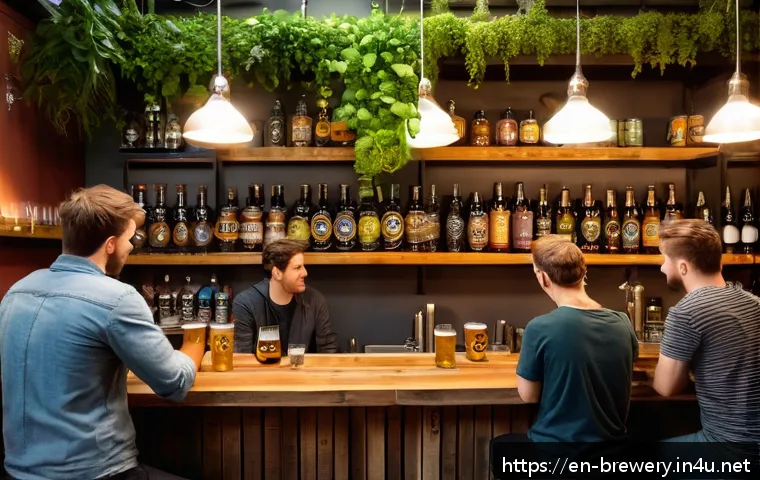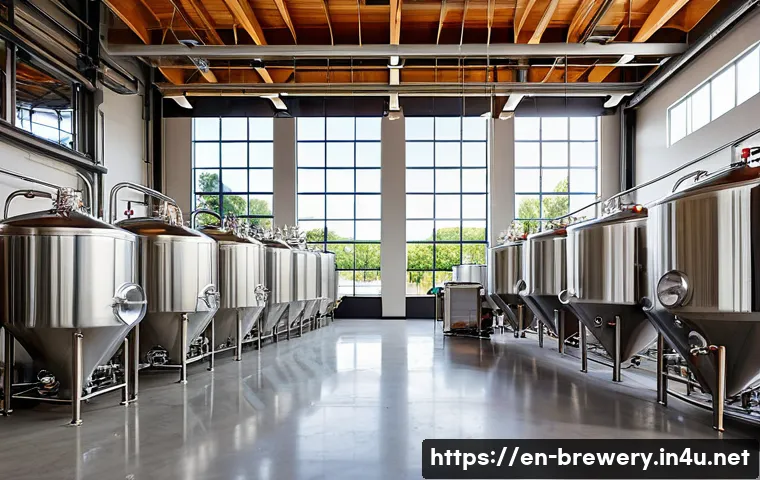
Crafting a brewery from the ground up is an exciting venture that blends creativity with precision engineering. Designing a craft beer facility involves careful planning to ensure efficiency, scalability, and quality control.
From selecting the right equipment to optimizing workflow, every detail impacts the final product. Whether you’re a passionate homebrewer stepping up or an entrepreneur entering the market, understanding the fundamentals of brewery design is essential.
Let’s dive into the key aspects that make a craft beer factory both functional and inspiring. Get ready to explore all the important details ahead!
Strategizing the Layout for Smooth Brewery Operations
Designing Around the Brewing Process Flow
When I planned my first brewery layout, I quickly realized that mapping out the entire brewing process from start to finish was the cornerstone of efficient operations.
The workflow should ideally move linearly—from raw ingredient storage through mashing, boiling, fermenting, and finally packaging—without unnecessary backtracking.
This minimizes cross-contamination risks and streamlines labor. For example, placing the grain mill close to the mash tun reduces the time and effort spent transporting materials.
It’s all about creating a natural rhythm where each step feeds seamlessly into the next, like a well-choreographed dance.
Balancing Space with Scalability in Mind
One lesson I learned the hard way is not to cram everything into the smallest possible footprint. While maximizing space usage is tempting, leaving room for future expansion can save you from costly renovations later.
Think of it like building with Lego blocks—you want the freedom to add new tanks, fermenters, or even a tasting room as your brand grows. A good rule of thumb is to allocate about 30-40% of your current space for growth.
This foresight makes it easier to adapt to increased production demands without interrupting daily operations.
Zoning for Sanitation and Safety
Dividing the brewery into distinct zones according to their function helps maintain cleanliness and safety. For instance, having a dedicated “clean” zone for packaging and a separate “dirty” zone for grain handling reduces contamination risks.
Equally important is creating clear pathways for staff movement that avoid crossing production lines unnecessarily. I found that color-coded floor markings and strategically placed hand-washing stations encourage compliance with hygiene protocols.
Remember, a well-zoned brewery isn’t just about order—it’s about protecting the quality and safety of every batch brewed.
Choosing the Right Equipment for Your Scale and Style
Matching Equipment Capacity to Production Goals
Selecting the right size and type of brewing equipment is one of the most pivotal decisions. I once saw a brewery with a 10-barrel system struggling to meet demand, while another with an oversized 50-barrel setup wasted energy and space.
The key is aligning equipment capacity with your target output and growth plans. If you’re just starting, a 3-7 barrel system often hits the sweet spot between manageable investment and reasonable volume.
As your brand gains traction, modular equipment that can be upgraded or expanded offers flexibility without breaking the bank.
Material and Quality Considerations
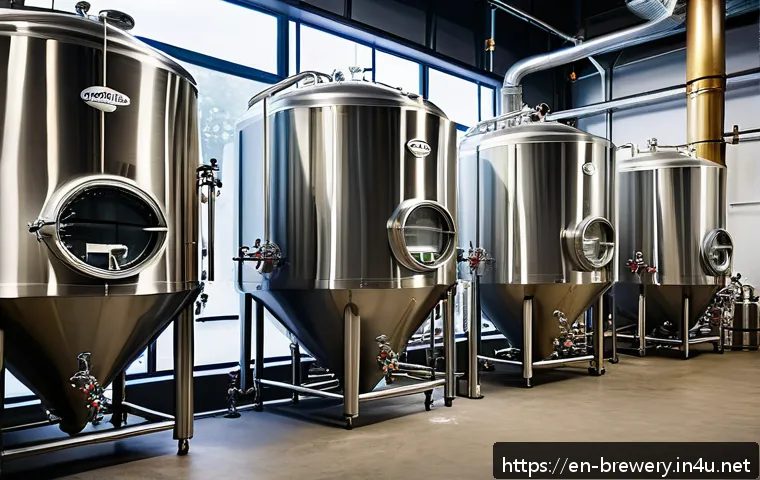
Stainless steel reigns supreme in brewing equipment, and for good reason—it’s durable, easy to clean, and doesn’t impart flavors. But within stainless steel options, thickness and finish matter.
I personally opted for 304-grade stainless steel with a polished interior surface, which has held up beautifully against corrosion and sticky residues.
Don’t overlook valves, pumps, and fittings either—quality components reduce maintenance headaches and downtime. Investing upfront in reliable, food-grade materials pays dividends in consistency and brewery uptime.
Automation vs. Manual Control
The choice between automated systems and manual controls depends largely on budget and production scale. Smaller breweries often benefit from manual control panels that offer tactile interaction and flexibility.
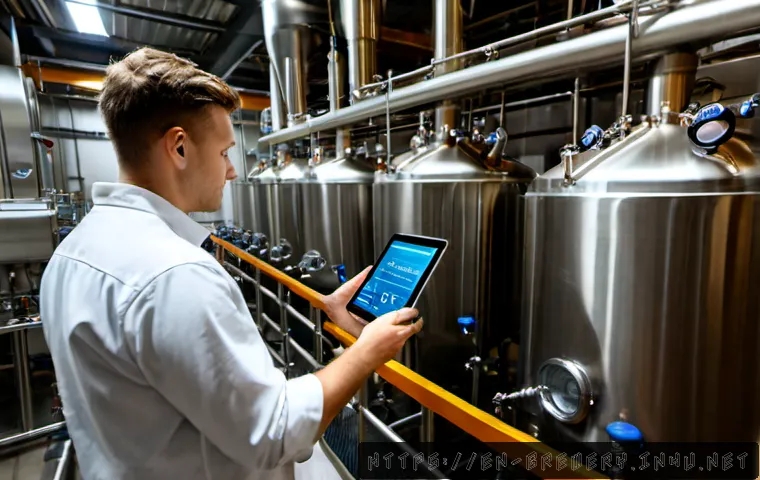
On the flip side, automation can streamline repetitive tasks, improve precision, and free up staff for creative brewing or marketing efforts. When I integrated an automated temperature control system into my fermenters, I noticed fewer batch inconsistencies and less stress during long fermentation cycles.
However, balancing technology with hands-on craftsmanship is key to maintaining the authentic craft beer feel.
Optimizing Sanitation and Maintenance Workflow
Creating Effective Cleaning Protocols
Sanitation is the lifeblood of any brewery, and designing the facility with clean-in-place (CIP) systems in mind can save countless hours. I made sure to install strategically placed CIP ports on fermenters, kettles, and piping systems, allowing me to clean equipment without dismantling.
This not only reduces labor but also ensures thorough cleaning, which is critical to preventing off-flavors or contamination. Scheduling regular maintenance alongside cleaning routines also prolongs equipment life and maintains product quality.
Accessible Layout for Easy Maintenance
One practical tip I picked up is to design with maintenance accessibility front and center. That means leaving enough clearance around tanks and pumps for technicians to work comfortably and safely.
Crowded or awkwardly placed equipment can lead to delayed repairs and increased downtime. Incorporating features like removable panels and modular piping also facilitates quicker troubleshooting.
A well-maintained brewery doesn’t just produce better beer—it saves money and headaches in the long run.
Waste Management and Sustainability Practices
Implementing an efficient waste disposal system is often overlooked during initial design, but it’s essential for operational flow and environmental responsibility.
Setting up dedicated drains, grain disposal areas, and recycling stations minimizes mess and odors. I also explored options like composting spent grain or donating it to local farmers, which aligns with sustainable brewing values and community engagement.
Planning waste management from the start reduces regulatory hassles and supports a greener brewery footprint.
Environmental Controls for Consistent Quality
Temperature and Humidity Regulation
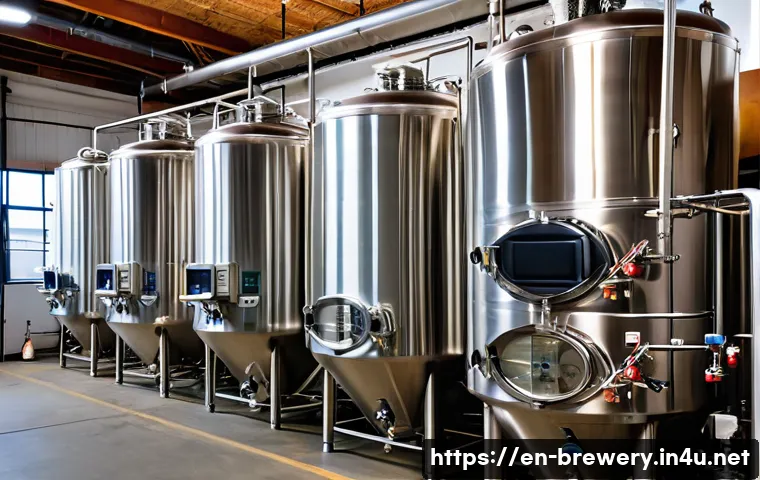
Maintaining precise temperature and humidity levels across various brewery zones is crucial for consistent beer quality. Fermentation rooms, in particular, require tight temperature controls to ensure yeast performance and flavor development.
I installed a dedicated HVAC system with zoned controls, which allows me to fine-tune conditions depending on the beer style or fermentation phase. Humidity control also prevents equipment corrosion and mold growth, which can be costly to fix.
This investment in environmental control pays off in every pint poured.
Ventilation and Air Quality Management
Proper ventilation is often underestimated but is critical for worker safety and preventing stale or unwanted aromas from contaminating the beer. I found that installing exhaust fans near the boiling kettles and fermenters helps remove excess heat and moisture.
Additionally, air filtration systems reduce dust and airborne contaminants, improving overall hygiene. Comfortable, well-ventilated workspaces boost staff morale and productivity, which indirectly benefits the brewing process.
Lighting and Ergonomics
Lighting design isn’t just about visibility—it influences safety, mood, and efficiency. I opted for adjustable LED lighting throughout the brewery, which provides bright, even illumination without excessive heat output.
Ergonomic considerations, such as anti-fatigue mats and workstations at comfortable heights, reduce strain during long shifts. These small details create a welcoming environment for both employees and visitors, enhancing the overall brewery experience.
Integrating Tasting and Retail Spaces
Designing a Welcoming Taproom Experience
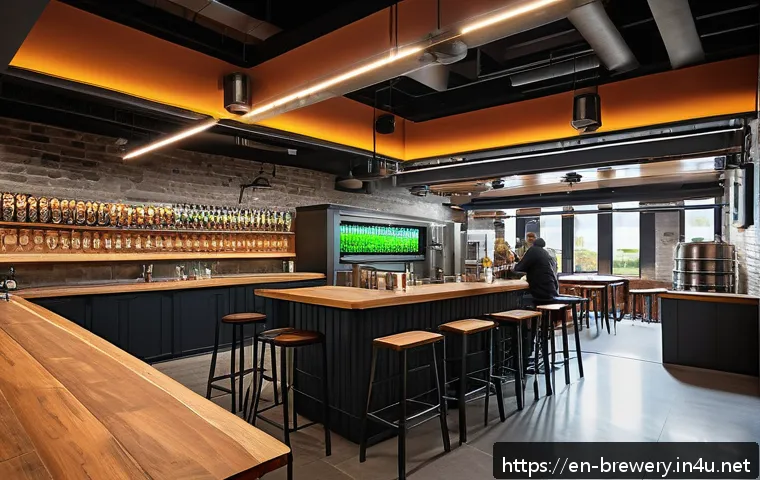
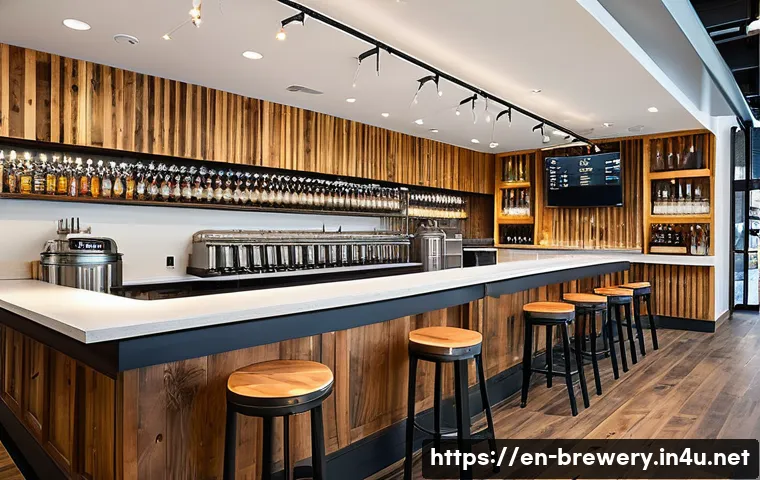
A taproom can be a brewery’s heart and soul, where brand loyalty is built sip by sip. When planning mine, I aimed for an inviting space that reflects the brewery’s personality—rustic yet modern, with plenty of natural light and cozy seating.
Thoughtful layout ensures smooth customer flow from ordering to seating without bottlenecks. Including visible brewing equipment or glass partitions adds an authentic touch, connecting guests directly to the craft behind their drink.
This transparency fosters trust and excitement.
Merchandising and Sales Optimization
Beyond just selling beer, a well-designed retail area can boost revenue through branded merchandise. Shelving and display cases should be strategically placed near the entrance or checkout area to catch attention.
I found that offering limited-edition items, like seasonal apparel or glassware, encourages impulse buys. Integrating POS systems that track inventory and customer preferences also streamlines operations and marketing efforts.
A seamless retail experience keeps customers coming back both in person and online.
Compliance and Accessibility Considerations
Ensuring your tasting room meets local regulations and accessibility standards is non-negotiable. From fire exits to ADA-compliant entrances and restrooms, these features protect your patrons and business.
I worked closely with local authorities to ensure my taproom was fully compliant while maintaining aesthetic appeal. Incorporating these elements early in the design phase prevents costly retrofits and creates an inclusive environment where everyone feels welcome.
Key Components Comparison for Brewery Equipment
| Equipment | Typical Capacity | Material | Cost Range (USD) | Automation Level |
|---|---|---|---|---|
| Mash Tun | 3-50 barrels | 304 Stainless Steel | $10,000 – $60,000 | Manual to Semi-Automated |
| Fermentation Tank | 3-100 barrels | 304 Stainless Steel | $8,000 – $70,000 | Manual to Fully Automated |
| Brew Kettle | 3-50 barrels | 304 Stainless Steel | $12,000 – $65,000 | Manual to Semi-Automated |
| Bright Tank | 3-50 barrels | 304 Stainless Steel | $7,000 – $50,000 | Manual to Fully Automated |
| CIP System | N/A | Stainless Steel with Plastic Components | $5,000 – $25,000 | Fully Automated |
Conclusion
Designing an efficient brewery layout and selecting the right equipment are fundamental to smooth operations and quality production. Thoughtful planning around workflow, sanitation, and scalability helps create a functional space that supports growth. Balancing automation with craftsmanship and prioritizing environmental controls ensures consistent beer quality. Ultimately, a well-organized brewery fosters both employee satisfaction and customer delight, setting the stage for long-term success.
Useful Information to Keep in Mind
1. Plan your brewery layout to follow a natural, linear flow that minimizes cross-contamination and labor inefficiencies.
2. Allocate extra space for future expansion to avoid costly disruptions as your production scales up.
3. Separate clean and dirty zones to maintain hygiene and reduce contamination risks effectively.
4. Invest in high-quality stainless steel equipment and consider automation carefully based on your production needs.
5. Incorporate environmental controls and ergonomic design to protect product quality and improve staff comfort.
Essential Takeaways
Creating a brewery that runs smoothly requires detailed attention to workflow design, equipment choice, and sanitation protocols. Ensuring scalability and maintenance accessibility prevents operational bottlenecks. Environmental management and a welcoming taproom enhance both product consistency and customer experience. Prioritizing these elements early on lays a strong foundation for sustainable growth and a thriving craft beer business.
Frequently Asked Questions (FAQ) 📖
Q: What are the most important factors to consider when designing the layout of a craft brewery?
A: When designing a craft brewery layout, efficiency and workflow are absolutely key. You want to arrange your equipment so that each step of the brewing process flows naturally into the next, minimizing unnecessary movement and handling.
For example, placing the mash tun near the kettle and the fermentation tanks nearby can save time and reduce risks of contamination. Don’t overlook space for cleaning and maintenance—these often get ignored but can cause headaches later.
Also, think about scalability; leaving room to add more fermenters or upgrade equipment means your brewery can grow without a costly overhaul.
Q: How do I choose the right brewing equipment for a small to medium-sized craft brewery?
A: Selecting brewing equipment really depends on your production goals, budget, and the style of beers you want to make. For a small to medium-sized brewery, it’s wise to invest in quality vessels made from stainless steel for durability and sanitation.
I found that starting with a modular system allowed me to expand as demand increased without replacing everything. Pay attention to the capacity of your mash tun, lauter tun, and fermenters to ensure they match your batch size and production schedule.
Don’t forget auxiliary equipment like pumps, heat exchangers, and cleaning systems—these are vital for smooth operation and maintaining beer quality.
Q: What are some common challenges faced during the initial setup of a craft brewery, and how can they be avoided?
A: One of the biggest challenges is underestimating the complexity of brewery operations. Many new brewers focus solely on brewing but overlook plumbing, electrical needs, and ventilation, which can cause costly delays.
I learned firsthand that working closely with experienced brewers, engineers, and contractors from the start helps identify these issues early. Another common pitfall is not having a robust quality control process in place—this can lead to inconsistent beer and unhappy customers.
Setting up a dedicated QC area and training staff on sampling and sanitation is a game-changer. Lastly, don’t rush the licensing and regulatory approvals; they can take longer than expected, so plan accordingly.