Craft beer has become much more than just a trendy beverage; it’s a vibrant expression of local culture and community spirit. Each sip tells a story about the region’s history, ingredients, and the passionate brewers behind it.
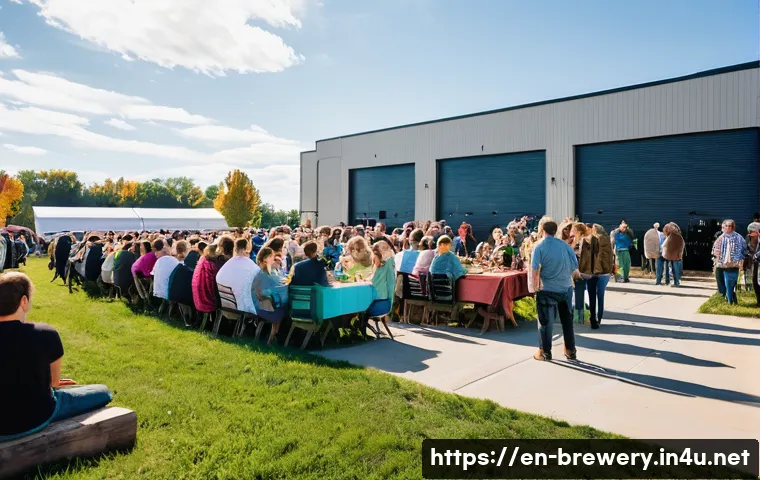
As small breweries flourish, they create unique flavors that reflect the identity of their neighborhoods and foster a sense of belonging. Exploring craft beer scenes offers a fantastic way to connect with local traditions and support independent businesses.
Curious how these tasty brews shape and celebrate their communities? Let’s dive in and explore the fascinating world of craft beer and local culture together!
The Heartbeat of Neighborhoods in Every Glass
Crafting Stories Through Local Ingredients
One of the most captivating things about small-batch brews is how they capture the essence of their surroundings. Brewers often source ingredients from nearby farms, orchards, and even wild foragers, creating flavors that are genuinely tied to the land.
For instance, a brewery in the Pacific Northwest might incorporate fresh pine tips or local berries, while a Midwest producer could highlight heirloom grains or honey from regional beekeepers.
This connection to place doesn’t just create unique taste profiles; it also builds a narrative that drinkers feel part of, making each sip an immersive experience that’s impossible to replicate elsewhere.
Community Hubs Beyond Just Beer
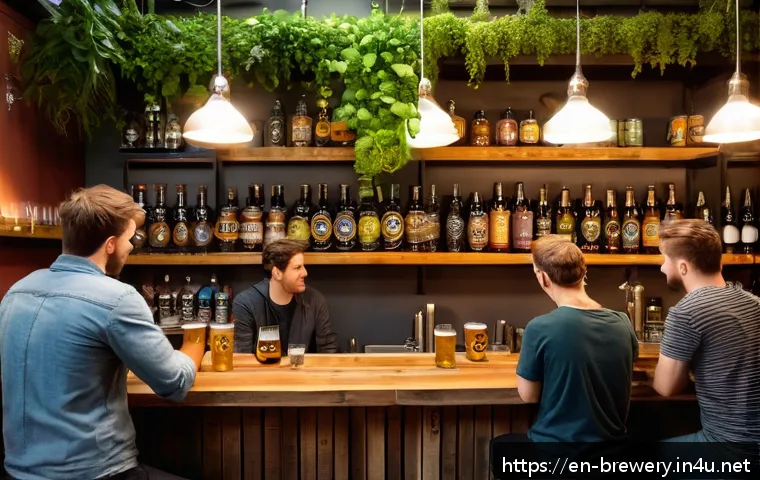
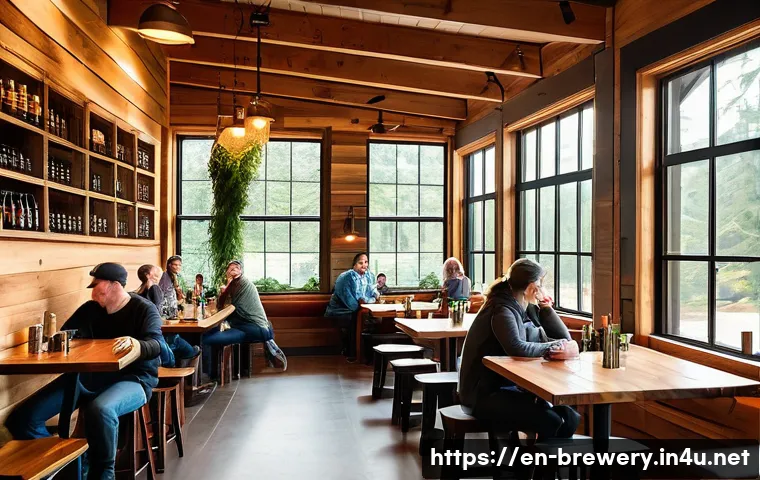
Many craft breweries double as gathering spots, transforming once-forgotten warehouses or storefronts into vibrant social hubs. These places host trivia nights, live music, and charity events, serving as modern-day town squares where locals meet and mingle.
I’ve personally found that visiting a brewery in a new city offers a shortcut to understanding its vibe—whether it’s laid-back and artsy or rooted in hardworking blue-collar pride.
The atmosphere is often just as important as the beer, creating a welcoming space that fosters friendships and local pride.
Preserving Heritage Through Brewing Traditions
While innovation drives much of the craft beer world, many brewers honor their cultural roots by reviving old recipes and techniques passed down through generations.
This respect for tradition can be seen in breweries that celebrate immigrant histories or indigenous practices, melding them with contemporary trends.
For example, some breweries in New England focus on colonial-era brewing methods, using native grains and open fermentation. This blending of past and present not only educates consumers but also preserves stories that might otherwise fade away.
How Flavor Profiles Tell Local Tales
Influence of Climate and Geography on Taste
The climate and geography of a region play a massive role in shaping the flavor of craft beers produced there. Coastal breweries might experiment with saltwater air’s subtle effects on yeast fermentation, while mountainous regions often see the use of mineral-rich water that adds complexity to the final product.
When I tasted a stout brewed near volcanic soil, the earthy undertones were unmistakable. These environmental factors create terroir in beer—much like in wine—offering drinkers an authentic taste of the place.
Seasonal Brews as Cultural Markers
Seasonal beers often celebrate regional festivals, agricultural cycles, or local holidays, turning each release into a cultural event. Pumpkin ales in autumn, spruce-tip IPAs in spring, or winter warmers spiced with cinnamon and clove are examples of how flavor becomes tied to time and tradition.
I remember attending a small brewery’s Oktoberfest event where the beer’s robust maltiness perfectly matched the festive atmosphere, connecting everyone through shared sensory experience.
The Rise of Experimental Flavors Rooted in Locale
Craft beer has become a playground for experimentation, but many brewers ground their wild ideas in local history or ingredients. For instance, a brewery might create a sour beer using wild yeasts native to the region or incorporate indigenous herbs and flowers into their recipes.
This approach keeps innovation authentic and meaningful, rather than just chasing trends. Sampling these inventive brews often feels like a discovery journey, revealing unexpected layers of local identity.
Independent Breweries as Economic and Social Catalysts
Boosting Local Economies Through Small-Scale Production
Independent craft breweries contribute significantly to local economies by creating jobs, supporting farmers, and attracting tourism. When I visited a brewery in a small town, I noticed how many suppliers—from glass manufacturers to food trucks—benefited from its presence.
These businesses often become anchors for revitalizing neighborhoods, encouraging other entrepreneurs to invest in the area, which in turn fosters community resilience and pride.
Fostering Environmental Responsibility
Many small breweries prioritize sustainability, implementing water-saving techniques, recycling spent grain by donating it to local farms, and using renewable energy sources.
This environmental mindfulness aligns with their community-focused ethos and appeals to increasingly eco-conscious consumers. I’ve seen firsthand how a brewery’s commitment to green practices enhances its reputation and creates a loyal customer base who values both quality and ethics.
Building Inclusive Spaces for Diverse Communities
Craft breweries are often at the forefront of creating inclusive environments, welcoming people from all backgrounds to share in the experience. Events celebrating LGBTQ+ pride, collaborations with minority-owned businesses, and efforts to make taprooms accessible demonstrate a broader cultural sensitivity.
Such initiatives not only enrich the social fabric but also expand the craft beer audience, making it a truly communal celebration.
Mapping the Craft Beer Landscape: A Regional Snapshot
Distinctive Characteristics of Key U.S. Craft Beer Regions
Understanding the regional differences in craft beer scenes can deepen appreciation for the diversity of flavors and cultures across the country. Here’s a concise overview of notable regions, their brewing styles, and cultural influences:
| Region | Signature Styles | Local Ingredients | Cultural Influences |
|---|---|---|---|
| Pacific Northwest | Hoppy IPAs, Barrel-Aged Stouts | Cascade hops, wild berries | Outdoorsy, eco-conscious communities |
| Midwest | Rich Porters, Crisp Lagers | Heirloom grains, honey | German heritage, farming traditions |
| New England | Juicy IPAs, Farmhouse Ales | Native grains, spruce tips | Colonial history, maritime culture |
| Southwest | Spiced Ales, Sours | Chili peppers, cactus | Mexican and Native American heritage |
| Southeast | Golden Ales, Sweet Stouts | Peaches, pecans | Southern hospitality, blues music |
How Regional Tourism Enhances Brewery Appeal
Craft beer tourism has become a powerful way to immerse oneself in local culture. Many travelers plan trips around brewery tours, tapping into the stories behind each pint.
I recall joining a guided craft beer trail where hosts shared not only their brewing secrets but also tales of community efforts and local landmarks. This experiential travel enriches understanding and fosters appreciation for the interconnectedness of place, people, and product.
The Role of Festivals in Celebrating Local Flavor
Beer festivals serve as platforms for showcasing regional styles and fostering collaboration among brewers. Events like the Great American Beer Festival or smaller city-specific celebrations bring together locals and visitors, creating a festive atmosphere that highlights the diversity and creativity of the craft beer community.
These gatherings also provide opportunities to taste limited releases and connect directly with the brewers, deepening the bond between producers and consumers.
Craft Beer’s Influence on Urban Renewal and Identity
Transforming Industrial Spaces into Vibrant Destinations
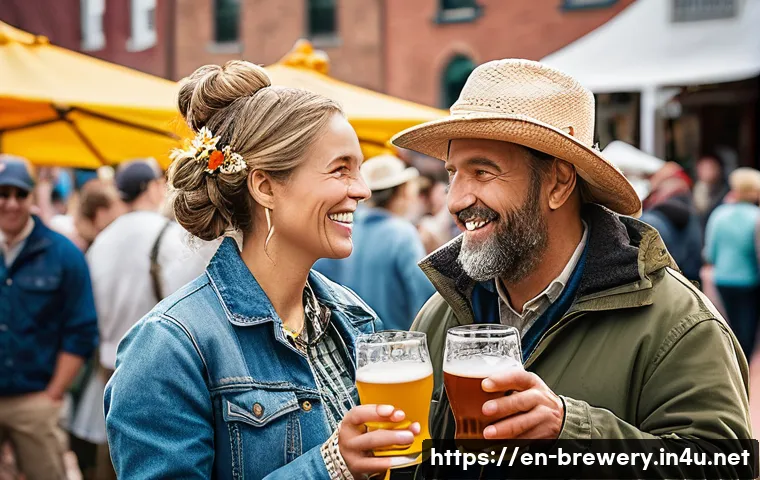
Many breweries have breathed new life into neglected urban areas by repurposing old factories, warehouses, and even churches. This adaptive reuse preserves architectural heritage while introducing fresh energy and foot traffic.
I’ve seen firsthand how such transformations spark neighborhood revitalization, attracting artists, diners, and other creative businesses, turning once-dormant districts into lively cultural corridors.
Shaping City Identity Through Unique Beer Scenes
Cities often become known for their distinctive craft beer cultures, which contribute to their overall brand and appeal. For example, Portland’s reputation as a craft beer haven draws enthusiasts worldwide, while Asheville’s eclectic brewing scene reflects its artsy, laid-back vibe.
These identities are reinforced through brewery collaborations, local ingredients, and storytelling, making beer an integral part of urban culture and pride.
Encouraging Cross-Community Collaboration
Craft beer communities frequently unite diverse groups—artists, entrepreneurs, activists—around shared interests. Collaborative brews and pop-up events foster connections that transcend typical social boundaries, encouraging dialogue and innovation.
This spirit of cooperation not only enriches the beer itself but also strengthens social cohesion, making craft beer scenes microcosms of inclusive and dynamic urban life.
Technology and Tradition: Brewing’s Modern Renaissance
Balancing Innovation with Heritage Techniques
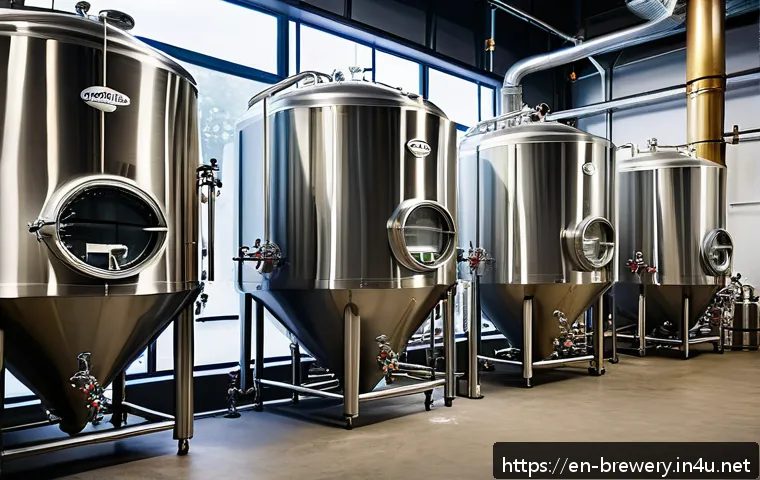
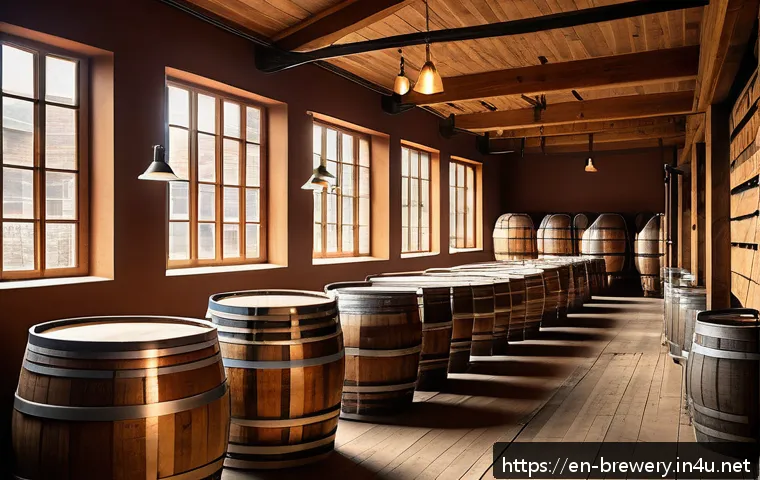
Brewers today harness cutting-edge technology for quality control and efficiency while honoring traditional methods like open fermentation or wood barrel aging.
This blend allows for creative experimentation without losing the soul of the craft. From my visits, it’s clear that many brewers take pride in this balance, viewing technology as a tool to enhance rather than replace artisanal skill.
Digital Engagement and Community Building
Social media and apps have revolutionized how breweries interact with fans, offering behind-the-scenes glimpses, virtual tastings, and direct feedback channels.
This transparency builds trust and excitement, making customers feel like part of the brewing journey. I’ve noticed that breweries actively engaging online often cultivate the most loyal and enthusiastic followings.
Data-Driven Flavor Development
Some breweries now analyze consumer preferences and market trends to tailor recipes and release schedules. While this might sound corporate, many small brewers use data thoughtfully to complement their creativity, ensuring new flavors resonate with their community’s tastes.
This approach helps maintain relevance and keeps the craft beer scene vibrant and responsive.
Social Impact and Craft Beer Advocacy
Promoting Responsible Drinking and Awareness
Many craft breweries lead by example in encouraging moderation, supporting designated driver programs, and raising awareness about alcohol-related issues.
Personally, I appreciate how some breweries integrate these messages into their branding without being preachy, fostering a culture of enjoyment and responsibility.
Supporting Local Causes and Nonprofits
It’s common for breweries to partner with nonprofits or donate proceeds to community projects, reinforcing their role as socially conscious businesses.
From environmental cleanups to youth arts programs, these efforts show that craft beer can be a force for positive change beyond just the glass.
Championing Diversity and Inclusion in Brewing
The craft beer world is gradually becoming more diverse, with increasing representation of women, people of color, and LGBTQ+ individuals as brewers and leaders.
Initiatives focused on mentorship and access help break down barriers in this traditionally male-dominated industry. Witnessing these shifts firsthand has been inspiring, proving that craft beer culture can evolve to embrace everyone’s talents and stories.
글을 마치며
Craft beer is more than just a drink; it’s a vibrant reflection of local culture, community, and creativity. From unique regional flavors to social impact initiatives, every brewery tells a story worth savoring. Exploring these narratives enriches our appreciation and connects us in meaningful ways. Whether you’re a casual drinker or a passionate enthusiast, craft beer invites you to experience the heartbeat of neighborhoods in every glass.
알아두면 쓸모 있는 정보
1. Many craft breweries source ingredients locally, which helps support farmers and preserves regional flavors unique to their area.
2. Visiting breweries can offer insights into a city’s culture and community spirit, often acting as social hubs beyond just beer tasting.
3. Seasonal and experimental brews reflect local traditions and histories, making each release a cultural experience tied to time and place.
4. Craft beer tourism is growing, with festivals and brewery tours providing immersive ways to discover regional identities and flavors.
5. Sustainability and inclusivity are becoming core values in the craft beer industry, influencing production methods and community engagement.
핵심 요점 정리
Craft breweries serve as vital cultural and economic engines by blending tradition with innovation and fostering community connection. Their commitment to local ingredients, environmental responsibility, and social inclusiveness shapes vibrant neighborhoods and urban renewal. By embracing both heritage and modern technology, these breweries create authentic, meaningful experiences that resonate beyond the glass, proving craft beer’s powerful role in today’s social and cultural landscape.
Frequently Asked Questions (FAQ) 📖
Q: How do craft breweries reflect the local culture and community in their beers?
A: Craft breweries often use locally sourced ingredients and incorporate regional flavors that tell a story about their area’s heritage. For example, a brewery near the coast might use sea salt or local herbs, while one in a farming town might highlight grains grown nearby.
Beyond ingredients, the brewery’s design, events, and collaborations with other local businesses create a welcoming space that celebrates community identity.
When you drink their beer, you’re not just tasting a beverage—you’re experiencing a piece of the local culture and the passion of the people behind it.
Q: Why is exploring craft beer scenes a good way to support independent businesses?
A: Small craft breweries are usually independently owned and deeply connected to their communities. By choosing their beers, you’re helping sustain local jobs and encouraging entrepreneurship.
Unlike mass-produced beers, craft breweries often reinvest profits into their neighborhoods through events, partnerships, and charitable work. Personally, I’ve found that visiting these breweries not only supports local economies but also creates memorable experiences that big brands just can’t offer.
It’s a win-win for both beer lovers and the communities they cherish.
Q: What makes craft beer different from mainstream commercial beer?
A: Craft beer stands out because of its emphasis on quality, creativity, and small-batch production. While mainstream beers aim for consistency and mass appeal, craft brewers experiment with unique recipes, unusual ingredients, and bold flavors.
This approach results in beers that are often richer, more complex, and reflective of the brewer’s personality and local influences. From my own tasting adventures, I’ve noticed that craft beers invite exploration and discovery—each sip can surprise you with something new, connecting you to a story and a place in a way that large-scale beers rarely do.