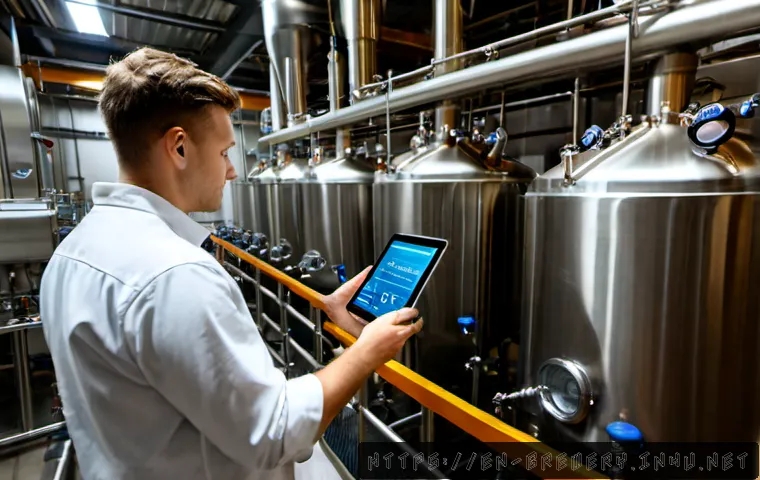
A practical brewery quality-control plan tests beer at key points: before brewing, during fermentation, at packaging, and before release. For most small and growing breweries, the best starting point is reliable basic in-house measurement, supported by external laboratory testing when specialist analysis or independent verification is needed.

The right setup depends on production volume, packaging risk, turnaround needs, staff capability, and documented quality targets. Buying more brewery lab equipment is not automatically the best move if calibration, training, and consumable management are not in place.
A risk-based program helps protect batch consistency, package stability, and release confidence without turning every production day into a full laboratory exercise.
At a Glance
- Test at each critical stage: incoming materials, fermentation, packaging, and finished-product release.
- Start with repeatable basics: sensory checks, gravity, pH, carbonation, package integrity, and documented records can provide strong day-to-day value.
- Use external support strategically: third-party laboratories can help with specialized analysis, microbiological screening, and verification of internal methods.
| Testing Option | Best Fit | Main Advantage | Key Consideration |
|---|---|---|---|
| Basic in-house tools | Routine production control and smaller teams | Fast feedback for daily brewing and packaging decisions | Requires consistent sampling, calibration, and recordkeeping |
| Advanced in-house lab setup | Higher-volume production or frequent packaging activity | More direct control over turnaround and recurring measurements | Training, service, consumables, and method verification add to ownership needs |
| Third-party laboratory testing | Specialized analysis, independent review, or occasional testing | Access to expertise without operating every method internally | Turnaround time and sample handling must fit the production schedule |
The Essential Quality Checks for Every Brewery Batch
Three priorities: repeatability, product safety, and package stability
A brewery quality-control program should first support repeatability. If a beer is meant to taste and perform the same from batch to batch, the brewery needs comparable measurements and observations at comparable process points. That includes recording what was tested, how the sample was taken, who checked it, and what decision followed.
The second priority is product safety and microbiological control. Microbiological screening may be part of a brewery’s quality program, but the appropriate method and frequency depend on the product, facility, process, and documented quality targets. A result should be interpreted through a validated investigation rather than assumed to explain a specific off-flavor or quality event.
The third priority is package stability. A beer can look acceptable before packaging yet develop problems if carbonation, dissolved oxygen, seams, closures, or leaks are not controlled. Packaged-beer checks are especially important when product will spend more time outside the brewery.
A quick testing schedule from incoming ingredients to released beer
Before brewing, review raw materials and water against the brewery’s own documented specifications. During fermentation, track process measurements such as gravity and pH, while using structured sensory checkpoints to identify unexpected changes. At packaging, assess carbonation and package integrity, and include dissolved oxygen checks where that measurement is part of the brewery’s quality plan.
Before release, combine the available test results with sensory review, packaging observations, and production records. The goal is not to create unnecessary paperwork. It is to make a release decision based on traceable evidence rather than memory or assumptions.
Which measurements provide the most value for a small production team
For a small team, the highest-value tests are usually the ones that influence a decision quickly. Routine gravity and pH checks can support fermentation monitoring. Sensory evaluation can identify changes that instruments do not fully describe. Carbonation and package-integrity checks can help prevent avoidable packaging issues from reaching customers.
A basic brewery QC equipment list should be built around the brewery’s actual workflow, not around a generic laboratory wish list. If a measurement is rarely used, difficult to maintain, or cannot be acted on in time, outsourcing may be more practical than purchasing that capability.
Compare In-House Testing, External Labs, and Hybrid Quality Programs
Basic in-house checks: speed and day-to-day process control
Basic in-house testing gives brewers faster visibility into routine process conditions. It is useful when the team needs immediate information during fermentation, before packaging, or during release review. The value comes from consistency: the same sampling approach, the same method, and clear records over time.
Basic tools are not “set and forget” purchases. They need cleaning, calibration where applicable, maintenance, and staff who understand how results should be recorded and reviewed. A simple, well-run process is more useful than a complex system that is used inconsistently.
Advanced equipment: when the investment can make operational sense
An advanced brewery lab setup may make sense when testing is frequent, turnaround pressure is high, packaging volume is growing, or recurring quality questions require faster internal answers. It can also be useful when a brewery has trained staff and a documented method for turning results into production decisions.
Before investing, separate the desire for more data from the need for more actionable data. Advanced equipment can create value when it reduces delays, supports repeatable methods, or strengthens package-quality control. It may create little value if staff cannot maintain the method or if the brewery only needs the test occasionally.
Third-party lab analysis: specialist testing and independent verification
External testing laboratories are useful for specialized analysis, microbiological testing, and independent verification of internal methods. This option can be particularly practical for breweries that do not need a full-time laboratory workflow or want a second source of confidence when investigating a recurring issue.
When evaluating a testing partner, ask how samples should be collected, stored, and delivered. Also confirm expected turnaround, reporting format, and whether the laboratory’s methods match the brewery’s purpose for testing. The most detailed report is less helpful if it arrives after a release decision has already been made.
Cost factors beyond the equipment purchase price
Brewery lab equipment decisions should consider more than the initial purchase. Review calibration needs, consumable costs, service support, staff training, cleaning requirements, sample preparation, and downtime risk. Quality-management software can also be relevant when the brewery needs clearer batch records, trend review, corrective-action tracking, or release documentation.
A hybrid program often works well: keep frequent, operationally important checks in-house and use external services for less frequent or more specialized tests. This approach can preserve speed without committing every quality-control function to internal equipment.
Build a Practical Testing Workflow From Brewhouse to Packaged Beer
Raw material and water checks before production
Start with a documented receiving and pre-brew review. Confirm that materials are identified, stored appropriately for the brewery’s process, and checked against internal quality expectations. Water checks may also be relevant where water is part of the brewery’s documented production control plan.
The key is to define what requires a check, who performs it, and what happens if something does not meet the brewery’s target. Without a response plan, a recorded result may not improve production control.
Fermentation monitoring and sensory checkpoints
During fermentation, use gravity and pH measurements as part of a repeatable monitoring routine. Pair these with documented sensory evaluation. Sensory feedback should identify the beer, sample date, reviewers, observations, and whether follow-up is needed.
Do not treat sensory notes as casual conversation. A structured record makes it easier to compare batches, spot patterns, and communicate between brewing, cellar, packaging, and quality teams. It also prevents one person’s memory from becoming the only quality system.
Packaging-line checks for oxygen, carbonation, seams, closures, and leaks
Packaging is a major control point because it affects what the customer eventually receives. Depending on packaging format and the brewery’s targets, checks may include dissolved oxygen, carbonation, seams, closures, and leaks. The exact acceptable ranges and release limits should be set by the brewery’s documented quality program and any applicable local requirements.
Packaging checks should happen at defined intervals, not only when a problem is suspected. If the line changes, a package format changes, or a new product is introduced, review whether the testing plan still matches the risk.
Finished-product release documentation and retained samples
A finished-product release review should bring together the relevant batch information: process records, sensory observations, packaging checks, and any laboratory results. Retained samples can support later review if a question arises after release, provided the brewery has a clear approach for identification and storage.
Keep release decisions simple but defensible. A clear record of what was checked and why the product was released or held is more valuable than an overly complicated form that no one completes correctly.

Common Quality-Control Mistakes That Create Expensive Rework
Inconsistent sampling and poorly cleaned sample points
A test result is only as useful as the sample behind it. Inconsistent sample timing, unclear sample identification, and poorly cleaned sample points can make results difficult to compare. Write down the sampling method and train staff to follow it consistently.
Skipping calibration, maintenance, or method verification
Measurement tools need attention throughout their working life. Skipping calibration, cleaning, maintenance, or method verification can produce misleading results and false confidence. Assign responsibility for these tasks and record when they are completed.
Treating sensory feedback as informal rather than documented evidence
Sensory panels do not need to be complicated to be useful. What matters is a repeatable format and a record that can be reviewed later. Informal feedback may still be valuable, but it should not replace a documented sensory checkpoint for release decisions or trend analysis.
Testing after complaints instead of setting preventive control points
Reactive testing can help investigate a complaint, but prevention starts earlier. Set control points before brewing, during fermentation, at packaging, and before release. This approach gives the team more opportunity to identify a change before product reaches the market.
Match the Testing Plan to Your Brewery’s Size and Risk Profile
Taproom-focused breweries with limited packaging
A taproom-focused brewery with limited packaging may prioritize sensory consistency, gravity, pH, fermentation tracking, and basic package checks where relevant. The emphasis is often on quick process feedback and dependable records rather than an extensive in-house laboratory.
Canning and bottling operations with wider distribution
Breweries with canning or bottling operations and wider distribution should give additional attention to package stability. Carbonation, dissolved oxygen, seams, closures, and leaks may carry more operational importance when beer will be transported, stored, and consumed farther from the brewery.
Contract brewing, seasonal releases, and mixed product portfolios
Contract brewing, seasonal releases, and varied product portfolios can increase complexity. Different beer styles, processes, and packaging formats may require different testing frequencies or release steps. A written plan helps prevent quality controls from changing unintentionally when production gets busy.
When recurring quality issues may justify outside expertise
Repeated off-flavors, contamination concerns, or package-quality failures should not be diagnosed from a single test result or assumption. If recurring issues are affecting confidence or creating rework, outside laboratory analysis or quality expertise may help validate methods and support a structured investigation.
Selection Criteria and Comparison Summary
Choose a testing option by reviewing these practical questions:
- Which tests are needed often enough to require same-day turnaround?
- Can staff collect samples, run the method, maintain the equipment, and interpret results consistently?
- What are the ongoing needs for calibration, consumables, cleaning, service, and method verification?
- Which tests involve specialized analysis or independent confirmation that an external laboratory can handle better?
- Does the brewery have a documented release process that uses the results in a clear decision?
A practical division is to keep frequent production-control tests in-house while outsourcing specialized or infrequent work. Compare turnaround time, calibration needs, consumable costs, and service support before choosing a testing option. For equipment or laboratory services, review the official product details, support terms, and testing conditions on the relevant provider’s page before committing.
In Closing
Effective brewery quality control is built on repeatable habits, not on buying every available instrument. Start with the tests that protect daily process control and packaged-beer confidence. Document sampling, calibration, sensory review, and release decisions so results can be compared over time. As production, distribution, or risk grows, add advanced in-house capability or external laboratory support where it provides a clear operational benefit.
Useful Information to Keep in Mind
Keep one source of truth: batch records, test results, sensory notes, and release decisions should be easy for the relevant team to find.
Review trends, not only exceptions: a series of small changes may be more informative than one isolated result.
Make testing actionable: every routine check should have a defined purpose and a next step if the result needs review.
Important Considerations
The appropriate tests, test limits, and testing frequency vary by beer style, brewery process, packaging format, production volume, and applicable local requirements. This framework is general guidance, not a substitute for validated methods, local regulatory review, or investigation of a specific contamination, off-flavor, or package failure. Equipment and third-party laboratory costs should be confirmed directly with suppliers and service providers.
Frequently Asked Questions
Q1. What quality tests should a small brewery perform on every batch?
A1. A small brewery can prioritize repeatable checks that support daily decisions, such as sensory evaluation, gravity, pH, and relevant packaging checks. Carbonation, package integrity, and other measurements may be important depending on the brewery’s packaging format and documented quality targets. The exact test list should match the brewery’s process and risk profile.
Q2. Is it more cost-effective to buy brewery lab equipment or use an external testing laboratory?
A2. It depends on testing frequency, required turnaround, staff capability, and the total cost of ownership. Basic in-house tools can be valuable for routine process control, while external laboratories can be a better fit for specialized, infrequent, or independent testing. Compare equipment support, calibration needs, consumables, service requirements, and laboratory turnaround before deciding.
Q3. How often should a brewery test for microbiological contamination and packaged-beer stability?
A3. Testing frequency should reflect product risk, production volume, packaging format, and the brewery’s documented quality targets. A brewery with broader packaged distribution may need a different plan from a taproom-focused operation with limited packaging. If recurring quality concerns appear, consider whether the current testing plan and methods need review or outside verification.