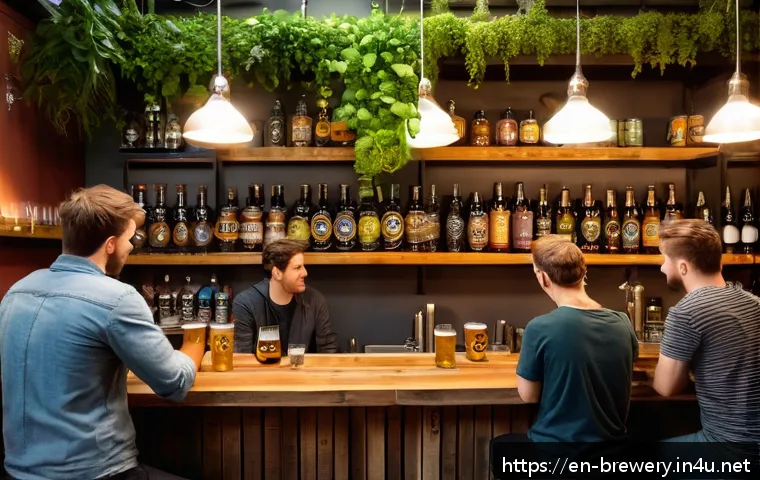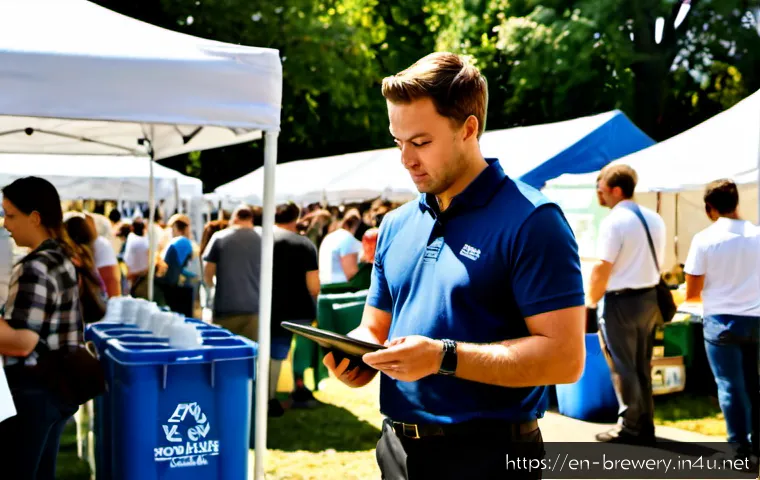
Run a craft beer festival in-house only when your team can own permits, service flow, vendor coordination, and contingency decisions from start to finish.
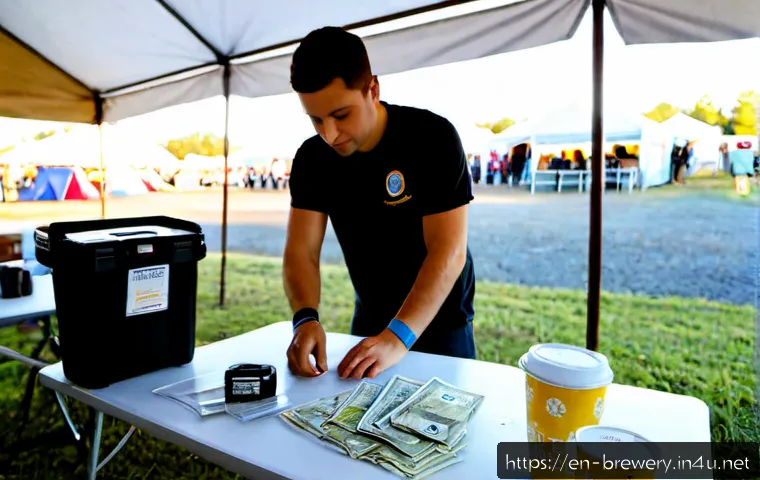
Partner with a venue or professional event operator when you need established staffing, security, bar equipment, or production systems. The best format is the one that matches your operational capacity, not the biggest attendance target.
Start with the local alcohol-event rules, then build the budget around safety, sanitation, payment flow, and guest comfort. Digital ticketing, cashless POS tools, and clearly written brewery terms can reduce avoidable confusion on festival day.
Before announcing tickets, confirm what the venue and each supplier actually provides.
At a Glance
- Choose the event model first: a small tasting, public ticketed festival, or brewery-led collaboration requires different levels of control and risk ownership.
- Fund essentials before upgrades: permits, appropriate insurance, security, sanitation, power, refrigeration, and trained staff should come before décor or entertainment extras.
- Confirm every handoff: brewery pours, entry checks, payment settlement, cleanup, weather response, and incident escalation need a named owner.
| Operational Area | In-House Approach | Outsourced or Partner-Led Approach | Decision Criterion |
|---|---|---|---|
| Staffing | Your team recruits, briefs, schedules, and supervises event staff. | An event staffing provider or venue supplies personnel under an agreed scope. | Choose in-house only if you can manage attendance changes, breaks, callouts, and supervision. |
| Ticketing and POS | You select and configure ticketing software, entry scanning, and cashless payment tools. | A production partner may provide an existing ticketing and reconciliation workflow. | Compare reporting access, settlement timing, guest support, and device responsibilities. |
| Security | You coordinate entry control, crowd monitoring, and incident escalation. | A licensed security staffing firm may manage defined coverage areas. | Clarify who handles ID-related disputes, overcrowding, restricted areas, and emergency response. |
| Bar Equipment | You source refrigeration, draft equipment, tables, tents, fencing, and power. | A rental or event production company delivers and may install equipment. | Confirm delivery windows, setup, power requirements, damage terms, and collection after close. |
| Cleanup and Waste | Your team manages bins, sorting, litter patrol, and final site restoration. | A waste management or cleaning supplier provides scheduled services. | Match the service scope to glassware, food waste, recycling, restroom servicing, and final cleanup needs. |
Start With the Event Model That Matches Your Capacity
Define the audience, attendance cap, ticket structure, and tasting format
Begin with a simple event brief: who the guests are, where they will arrive, how they will move through the space, and what they receive with admission. A small tasting event can be easier to control when the organizer has limited staffing and equipment. A public ticketed festival may need more formal entry lanes, payment controls, sanitation planning, security staffing, and vendor coordination.
Your ticket structure should match the pouring format. Decide whether the event uses tasting access, tokens, direct purchases, or another locally permitted approach. Do not assume that serving sizes, wristband practices, public-consumption boundaries, or last-call procedures are the same across locations. Confirm the local rules before publishing ticket language.
Choose between self-production, venue partnership, and a professional event operator
Self-production gives you more control over brewery relationships, guest experience, and supplier selection. It also means your organization owns more operational details. A venue partnership can work well when the venue already provides useful infrastructure such as power, tables, fencing, restrooms, refrigeration, security, or cleaning services.
A professional event operator can be worth considering when the event has a complex footprint, multiple breweries, major equipment needs, or limited internal event experience. Review the proposed scope carefully. “Full service” may not include every task you expect, especially permits, insurance coordination, vendor settlement, staffing supervision, or post-event cleaning.
Three-line operational summary: permits, service flow, and contingency ownership
- Permits: identify which alcohol-event permits or licenses may apply to the state, county, city, venue, and event format.
- Service flow: map entry, ID verification, wristbands, ticket scanning, tasting areas, food, water, restrooms, and exits before inviting vendors.
- Contingency ownership: assign one responsible party for weather, power failure, crowd issues, staff absence, inventory gaps, and incident reporting.
Build a Budget Around Safety, Service Speed, and Guest Experience
Essential cost categories: permits, insurance, security, sanitation, power, and staffing
A festival budget should protect the event before it tries to impress guests. Put permits, applicable event insurance, security staffing, sanitation capacity, power access, refrigeration, waste removal, and operating staff at the top of the planning list. These areas directly affect whether the site can function safely and whether guests can enter, taste, eat, hydrate, and leave comfortably.
General liability and liquor liability coverage may be relevant depending on the organizer’s role, local requirements, and the venue contract. Ask an insurance broker to explain what the policy covers, what exclusions may apply, and which party is expected to carry coverage. Do not rely on a vendor’s verbal statement that coverage is “included.”
Compare fixed-cost suppliers with revenue-share or package-based vendors
Some suppliers quote a fixed service fee. Others offer a package or revenue-share arrangement. Neither is automatically better. A fixed quote can make planning clearer when the scope is specific, while a package may reduce coordination work if it includes equipment, delivery, setup, staff, and cleanup.
For each quote, compare the same operational details: service hours, number of staff, equipment list, delivery timing, setup responsibility, cleanup responsibility, overtime terms, cancellation terms, and damage terms. For a ticketing platform or cashless POS provider, also ask about entry scanning, guest support, refund controls, sales reporting, payment reconciliation, and device availability.
Estimate break-even attendance without assuming guaranteed sales
Use a conservative planning worksheet rather than treating ticket sales as certain. List the known or quoted fixed commitments, then separate costs that may rise with attendance, such as sanitation servicing, security coverage, payment processing, waste handling, and staffing. Compare those commitments with possible ticket and vendor revenue only after the sales structure has been confirmed.
Do not build the plan around a sellout assumption. Keep a decision point before nonrefundable purchases, and understand what happens if brewery participation, venue access, or weather conditions change.
Create a Brewery, Vendor, and Equipment Plan
Brewery participation agreement checklist: pours, delivery, staffing, payment, and setup
Brewery terms can differ widely. Put the working expectations in writing before promoting the lineup. A practical brewery participation checklist should cover:
- What each brewery is expected to pour and how inventory will be delivered.
- Whether the brewery provides staff or needs organizer-provided serving support.
- Table, tent, refrigeration, draft equipment, power, and water needs.
- Setup and breakdown access times.
- Payment structure, sales reporting, settlement process, and the handling of leftover inventory.
- Responsible service expectations and who can pause service when needed.
Clear brewery coordination helps prevent a common festival problem: a vendor arriving with different assumptions about equipment, staff, or payment.
Selecting ticketing, POS, wristband, and cashless payment tools
Digital ticketing can reduce entry bottlenecks when guests can be checked in through an organized scanning process. Cashless payment systems can also improve sales reconciliation when they are configured and tested before doors open. The value is not only speed; it is the ability to know which transactions belong to which area of the event.
When comparing ticketing software and POS platforms, look for a workflow that your entry team and bar team can actually operate under pressure. Confirm device requirements, connectivity needs, backup procedures, access to transaction reporting, customer support during event hours, and the process for resolving failed scans or payment disputes. Review official provider pages for current service terms and available event features.
When to rent refrigeration, draft equipment, tents, fencing, and generators
Rent equipment when the venue does not reliably supply it or when the event layout requires temporary infrastructure. Refrigeration and draft equipment need enough lead time for delivery, placement, power access, and testing. Tents and fencing should support the planned guest flow, vendor boundaries, weather response, and controlled service area.
Power deserves special attention. A venue may offer outlets without guaranteeing that they can support every vendor’s refrigeration, POS devices, lighting, and equipment. Confirm power access before vendors are finalized. If temporary power is needed, compare generator rental scope, delivery, fuel responsibility, setup, and shutdown procedures.
Design Safe Entry, Pouring, and Crowd Flow
ID verification, age-control wristbands, and responsible-service procedures
Responsible alcohol service is a central operational task, not a last-minute sign at the entrance. Build a clear procedure for ID checks, age-control wristbands where locally appropriate, intoxication monitoring, and escalation to a supervisor. Staff should know who has authority to pause service, remove a wristband, call security, or document an incident.
Keep the policy consistent. Guests should not receive different decisions based on which entry lane or serving station they use. Local alcohol-service requirements may vary, so confirm the applicable standards with the appropriate local authority, venue, and insurance contacts.

Prevent long lines with separate entry, token, tasting, food, and water stations
Long lines rarely have a single cause. They usually happen when entry, payment, beverages, questions, and guest problems all collide in the same space. Separate the functions where the site allows it: entry scanning, ID verification, wristband application, information support, food ordering, water access, and tasting service.
Food vendors and non-alcoholic beverage options can improve guest comfort and encourage a more balanced festival experience. Make water easy to locate, not hidden behind a tasting line. Use signage that answers simple questions before guests reach staff: where to enter, where to scan, where to find restrooms, and where to seek assistance.
Plan sanitation, waste sorting, accessibility, first aid, and incident escalation
Sanitation capacity should be planned alongside attendance, event duration, food service, and venue layout. Confirm the availability and servicing of restrooms, handwashing or sanitation access, waste bins, recycling arrangements, and litter collection. If food vendors are present, their waste and water needs should be included in the site plan.
Design accessible routes where possible, including entry paths, seating or rest areas, restrooms, and service zones. Identify a first-aid point and establish an incident escalation path that staff can follow. The goal is not to create a complicated manual; it is to make sure a staff member knows exactly who to contact when a problem occurs.
Run the Festival Day and Manage Contingencies
A practical opening-to-close operations schedule
Start the event day with a site walkthrough before vendors and guests arrive. Check power, refrigeration, fencing, tents, signs, payment devices, entry equipment, sanitation stations, waste bins, water access, and emergency routes. Brief staff on their locations, break coverage, responsible-service procedures, guest questions, and escalation contacts.
Before doors open, conduct a short test of ticket scanning and cashless payment devices. During the event, use scheduled check-ins to monitor crowd flow, line length, restroom conditions, beer inventory, water availability, staff fatigue, and waste buildup. At close, stop service according to the confirmed local and event procedures, guide guests toward exits, and begin settlement only after responsibilities are clear.
Weather, power, inventory, staff absence, and overcrowding contingency plans
A contingency plan should be written in plain language. For weather, decide who watches conditions, who communicates with vendors and guests, and what triggers a pause, relocation, or shutdown. For power loss, identify which systems must be protected first, including refrigeration, POS devices, lighting, and communications.
For staff absence, designate backup leads for entry, bar operations, vendor coordination, and security liaison work. For inventory issues, decide who can approve substitutions or service changes. For overcrowding, establish a clear process to slow entry, redirect guests, or contact security. A plan only works if staff know who makes the call.
Closeout: vendor settlement, equipment return, cleanup, and incident documentation
Closeout is easier when it is planned before the event begins. Confirm how brewery and vendor settlement will be calculated, what reports are needed from ticketing and POS systems, and who signs off on returned rental equipment. Take a final walkthrough with the venue or site representative if that is part of the agreement.
Document incidents, unresolved equipment issues, cleanup concerns, and vendor questions while the details are fresh. Keep the notes factual. They will help improve the next event and can be useful when reviewing supplier performance, insurance questions, or venue feedback.
Selection Criteria and Comparison Summary
Use these checks before choosing suppliers or announcing ticket sales:
- Scope clarity: Does each quote state what is included for staffing, equipment, delivery, setup, cleanup, and event-day support?
- Risk ownership: Have permits, insurance responsibilities, responsible alcohol service, security escalation, and incident reporting been assigned to named parties?
- Venue readiness: Are power, refrigeration, fencing, restrooms, sanitation, accessibility, waste handling, and cleaning services confirmed rather than assumed?
- Service flow: Can guests move through entry, ID checks, wristbands, payment, pouring, food, water, and restrooms without one queue blocking another?
- Settlement visibility: Can you access the ticketing and POS reports needed for brewery payments, vendor reconciliation, and event closeout?
An outsourced event producer may justify the additional cost when your team lacks the capacity to coordinate multiple suppliers, manage technical equipment, supervise staffing, and respond to operational changes. Ask insurance brokers about organizer and venue responsibilities, ask security firms about event coverage and escalation procedures, ask venues about included infrastructure, and ask ticketing providers about scanning, reporting, cashless payment, and support terms. For current conditions, compare official service details and request a written quote that matches your actual site plan.
In Closing
A successful craft beer festival is built on clear responsibilities more than elaborate extras. Keep the event model realistic, fund safety and service infrastructure first, and put brewery and supplier terms in writing. Test the entry and payment flow before guests arrive. If a key requirement remains uncertain, such as permits, venue utilities, insurance responsibilities, or service rules, resolve it before ticket sales are announced.
Useful Information to Keep in Mind
Vendor meetings should follow the site plan: brewery, food, security, sanitation, and rental conversations are more productive when everyone can see the same layout. Water and food belong in the guest-flow plan: they are practical comfort features, not afterthoughts. Written reporting matters: ticketing and POS records can simplify settlement and post-event review.
Important Notes
Permit requirements, license fees, insurance limits, alcohol-service rules, sampling practices, last-call rules, wristband requirements, and public-consumption boundaries vary by location and event format. Actual costs, attendance, revenue arrangements, and included venue services must be confirmed directly with local authorities, the venue, insurers, breweries, and service providers. This operational framework is a planning guide and does not replace location-specific professional or legal advice.
Frequently Asked Questions
Q1. How much does it cost to run a craft beer festival?
A1. Costs depend on the event location, venue scope, permits, insurance needs, security staffing, sanitation, power, refrigeration, equipment rentals, waste removal, ticketing tools, and vendor arrangements. Build the budget from written quotes and confirmed venue inclusions rather than using a generic cost estimate.
Q2. Do I need special insurance or permits for a ticketed beer tasting event?
A2. Alcohol events commonly require permits or licenses that can vary by state, county, city, venue, and event format. General liability and liquor liability coverage may also be relevant depending on the organizer’s role, venue contract, and local requirements. Confirm the applicable requirements with the relevant local authority, venue, and insurance broker before promoting the event.
Q3. Should a first-time organizer outsource security, ticketing, and bar operations?
A3. Outsourcing can be a sensible choice when the organizer does not have experienced staff, tested systems, or the time to supervise several operational areas at once. Compare service packages based on exact coverage, staffing responsibilities, reporting access, escalation procedures, setup, cleanup, and contract terms. A smaller event may be more manageable in-house if responsibilities are clear and local requirements are fully confirmed.