Choose an IPA for hop aroma, a lager for a clean crisp finish, a stout or porter for roasted depth, a wheat beer for softer texture, and a sour when you actively want tartness.

The best choice depends less on the style name than on bitterness, body, sweetness, alcohol strength, and what you are eating. A tasting flight is useful when you want to compare unfamiliar styles before committing to a full pour.
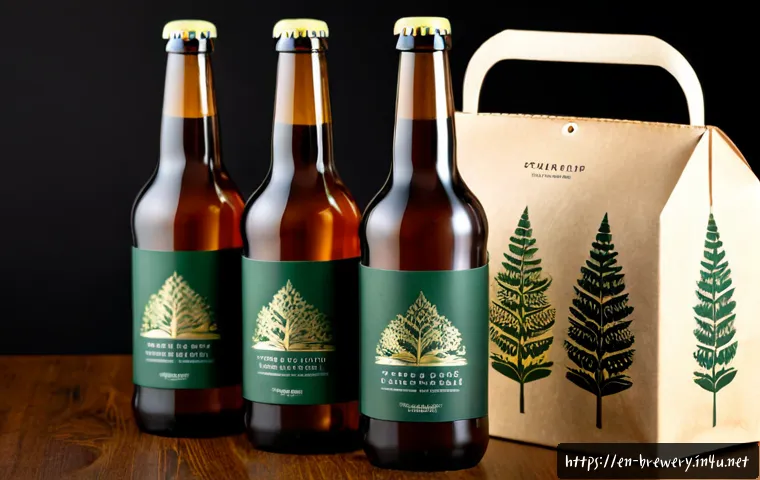
A mixed pack can make sense for home hosting when different guests prefer different flavor families. Check the menu or package for ABV, serving size, and current release details, especially with stronger or limited beers.
Local availability, pricing, and alcohol rules can vary.
At a Glance
- Choose a lager or wheat beer for a lighter, cleaner, or softer-drinking option.
- Choose an IPA for hop-led aroma, ranging from crisp bitterness to juicy fruit character.
- Choose a stout, porter, or sour when you want roasted depth or intentional tartness.
| Style family | Main flavor direction | Bitterness and body | ABV consideration | Food pairing | Useful purchase format |
|---|---|---|---|---|---|
| IPA | Hop-forward; crisp, bitter, soft, juicy, or fruit-forward | Often more hop-driven; body varies | Can vary substantially, especially stronger IPA releases | Burgers, rich foods, spicy dishes | Flight or single pour |
| Lager or pilsner | Clean and crisp | Usually a lighter-feeling choice | Check the individual beer | Seafood, casual meals, lighter snacks | Full pour or mixed pack |
| Stout or porter | Roast, coffee, cocoa, toast, or caramel-like notes | Often fuller in flavor | May range widely, including stronger releases | Barbecue, cheese, desserts | Single pour or shared bottle |
| Wheat beer, Belgian-inspired ale, or saison | Soft, citrusy, spicy, banana- or clove-like possibilities | Often softer rather than sharply bitter | Check the label or menu | Seafood, salads, lighter spicy dishes | Flight or mixed pack |
| Sour or fruit beer | Intentional tartness with variable fruit and sweetness | Acidity can feel bright and intense | Check the individual beer | Cheese, fruit-forward dishes, lighter desserts | Flight or small serving |
The Fastest Way to Pick a Craft Beer Style
Choose by bitterness, sweetness, body, and alcohol strength
Start with the sensation you want. Bitterness points many drinkers toward IPA, while roasted malt depth points toward stout or porter. If you prefer a cleaner finish, start with lager. If tartness sounds appealing rather than challenging, consider a sour. Always check the listed ABV, because strength can differ substantially within every category.
A quick match: crisp, juicy, dark, tart, or easy-drinking
“Crisp” usually suggests lager or pilsner. “Juicy” may lead to a hazy IPA, while a more direct hop profile may suit a West Coast-style IPA. “Dark” does not automatically mean sweet; stout and porter can show coffee-like, cocoa-like, toasted, or caramel-like notes. Wheat beers can be a comfortable middle ground when you want a softer texture with citrus, spice, banana, or clove-like character.
When a tasting flight is better than committing to a full pour
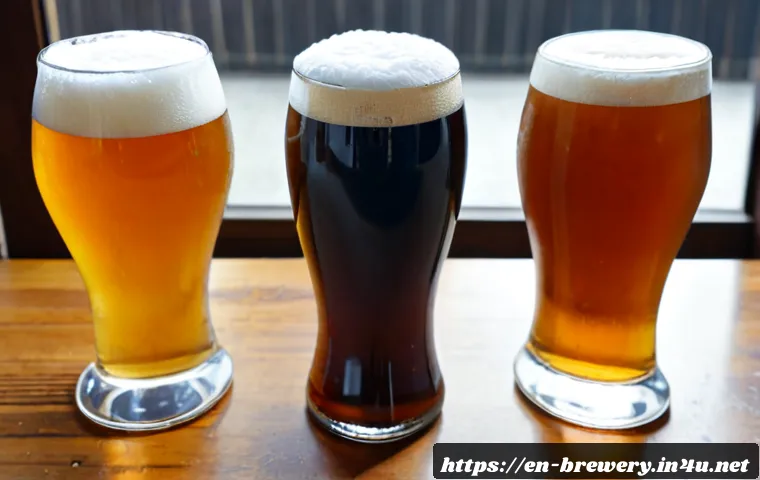
A tasting flight is a practical choice when the menu includes unfamiliar styles, heavily fruited beers, stronger IPAs, or specialty releases. It lets you compare body, carbonation, bitterness, and acidity side by side. A full pour is more sensible when you already know the style and want to enjoy it with a meal.
Compare the Main Flavor Families Before You Order
IPA: classic, hazy, West Coast, and double IPA differences
IPA is a broad hop-forward family, not a single flavor. A classic or West Coast-leaning IPA may feel crisper and more bitter, while a hazy IPA may seem softer, juicier, and more fruit-forward. A double IPA can be notably stronger, so do not assume a familiar-looking IPA will drink like a standard-strength beer. Check the brewery description rather than relying on the word “IPA” alone.
Lager and pilsner: clean, crisp options for lighter drinking
Lagers are fermented differently from ales and are commonly associated with clean, crisp profiles. They are a useful choice for someone who wants balance without a strong roasted, tart, or hop-heavy impression. For a casual restaurant beer, a lager or pilsner can be an easy pairing with seafood, lighter meals, and shared appetizers.
Stout and porter: roasted, chocolate-like, and coffee-like profiles
Stouts and porters often bring roasted malt notes that can resemble coffee, cocoa, toast, or caramel. These styles work well when you want flavor depth rather than a bright, crisp finish. They can complement barbecue, aged cheese, and dessert, but the exact sweetness and alcohol strength depend on the individual release.
Wheat beer, Belgian-inspired ale, and saisons: softer or spicier choices
Wheat beers often have a lighter, softer texture. Depending on the style, you may notice citrus, spice, banana, or clove-like notes. Belgian-inspired ales and saisons can also offer expressive spice or fruit character, so a flight is helpful if you are unsure how far you want to move from familiar lager or IPA territory.
Sour and fruit beer: balancing tartness, sweetness, and fruit intensity
Sour beers are intentionally tart, but they are not all equally sharp. Fruit character, sweetness, and acidity vary widely. A fruit aroma does not guarantee a sweet taste, and a heavily fruited beer may still be distinctly acidic. If you are new to sour beer, try a smaller serving before buying a large pack.
Use ABV, Serving Size, and Price to Judge Value
Why stronger is not always better value
A higher ABV does not automatically make a beer a better value. It may change pacing, flavor intensity, and how suitable the beer feels with food or during a long social gathering. The better comparison is whether the serving size, style, and strength fit the occasion you actually have in mind.
Flight, draft, can, bottle, or mixed pack: which format suits your goal?
Choose a flight for discovery, a draft pour for a meal or familiar favorite, and a mixed pack for variety at home. A can or bottle can make sense when you want to share a specialty beer or compare it later. Prices can differ by venue, serving size, local market, and release format, so compare like with like before deciding.
When a limited release may be worth the higher price
A limited release may be worth considering when its style, ingredients, or presentation match a specific occasion. It is not automatically the right pick just because it is scarce. First check the pour size, ABV, package information, storage guidance, and whether the flavor profile suits your group.
Check before buying: pour size, ABV, package date, and storage
Read the menu, can, or bottle carefully. Confirm serving size, ABV, package details, and any brewery storage guidance. Exact ingredients, allergens, calories, and availability are beer-specific, so they should be verified from the current product information.
Avoid Common Craft Beer Selection Mistakes
Assuming every IPA is aggressively bitter
Many IPAs are hop-forward, but hop character can be crisp, bitter, soft, juicy, or fruit-forward. Ask whether the beer is described as hazy, West Coast-inspired, classic, or stronger if that information is available.
Ordering a high-ABV beer too early in a tasting session
Stronger beers can shape your palate and your pace. Consider starting with cleaner or lighter-tasting options, then moving toward bigger IPAs, dark beers, or specialty releases.

Confusing fruity aroma with sweet flavor
Hop aroma and fruit additions can suggest fruit without delivering a sweet finish. This is especially important with hazy IPA, wheat beer, and sour beer. Ask about sweetness and tartness separately.
Ignoring food pairing and temperature effects
A beer can taste different beside spicy food, barbecue, seafood, cheese, or dessert. A crisp lager can refresh between bites, while roasted stout or porter notes may suit richer foods. Try to match the beer’s intensity to the meal.
Buying a large pack before trying an unfamiliar style
If you are uncertain about acidity, roast, or hop bitterness, begin with a flight, a single pour, or a smaller mixed selection. This is especially useful for heavily fruited beers and experimental brewery releases.
Pick a Style for Your Occasion and Taste Preference
Best starting points for craft beer beginners
Lager, pilsner, and many wheat beers are sensible starting points for drinkers seeking clean, balanced, or softer profiles. A tasting flight can then add a small IPA, stout, or sour comparison without requiring a full commitment.
Options for hop lovers who want more aroma or more bitterness
Ask whether the IPA leans juicy and soft or crisp and bitter. Hazy IPA may appeal when aroma and fruit-forward character are the priority. A West Coast-style direction may appeal when you want a drier, more direct hop impression.
Choices for people who prefer coffee, chocolate, or dessert-like notes
Explore stout or porter when roasted flavors are the goal. Coffee-like, cocoa-like, toasted, and caramel-like notes can all appear, but do not assume every dark beer is sweet or dessert-like. The individual brewery description matters.
Refreshing options for warm weather, casual meals, and social gatherings
Lager, pilsner, wheat beer, and some saisons can fit warm weather and easygoing meals. For a group, a mixed beer pack can cover crisp, hop-forward, dark, and tart preferences without making every guest choose the same style.
Food pairing ideas for burgers, spicy dishes, seafood, cheese, and desserts
Try IPA with burgers or spicy dishes, lager with seafood and lighter meals, stout or porter with barbecue, cheese, or desserts, and sour beer with cheese or fruit-forward dishes. These are starting points, not fixed rules; the exact beer and recipe can change the result.
Selection Criteria and Comparison Summary
Before ordering, check flavor direction, ABV, serving size, food pairing, and whether you are exploring or buying a known favorite. Choose IPA for hop aroma and bold flavor, lager or wheat beer for drinkability and balance, stout or porter for roasted malt depth, and sour beer only when tartness suits your palate and meal. For a brewery flight, variety pack, or local delivery option where legal, review the current style description and product details on the relevant page before purchasing.
Closing Thoughts
Craft beer styles are best treated as useful signposts, not strict promises. Two beers with the same style name can feel very different in bitterness, sweetness, alcohol strength, and body. Start with the flavor family that sounds comfortable, then use a flight or small format to explore further. Drink responsibly and follow the legal drinking-age requirements where you are.
Useful Things to Know
1. A dark beer is not necessarily sweet. 2. A fruity aroma is not necessarily a sweet flavor. 3. Higher ABV can appear in many categories, particularly IPA, stout, and barrel-aged releases. 4. Venue pricing and serving formats may differ even for the same brewery. 5. Current menus and labels are the best source for beer-specific details.
Important Notes
Exact bitterness, sweetness, ABV, ingredients, allergens, calorie content, package size, price, and availability must be confirmed for the specific beer. Breweries may use experimental ingredients or depart from traditional style expectations. Local alcohol regulations, delivery eligibility, service charges, and legal drinking-age rules vary by location.
Frequently Asked Questions
Q1. Which craft beer style is best for someone who does not like bitter beer?
A1. Start with a lager, pilsner, or wheat beer if you prefer a cleaner or softer profile. Some stouts and porters may also suit you if roasted notes sound appealing, but sweetness varies by beer. Avoid assuming every fruit-forward beer will be low in bitterness or tartness.
Q2. Is a tasting flight better value than buying individual full pours?
A2. A flight can offer better discovery value when you want to compare several unfamiliar styles. A full pour may be the better choice when you already know what you enjoy and want a beer with food. Compare serving sizes and current venue pricing rather than assuming one format is always cheaper.
Q3. What is the difference between a hazy IPA and a West Coast IPA?
A3. A hazy IPA may be softer, juicier, and more fruit-forward, while a West Coast-style IPA may be crisper and more bitter. Individual brewery versions can vary, so check the current description and ABV.
Q4. Which craft beer styles usually have the highest alcohol content?
A4. ABV can vary substantially in every category, but stronger IPA releases, stouts, and barrel-aged beers are categories where higher-strength options may appear. Always check the specific beer because style alone does not confirm alcohol strength.
Q5. What beer style should I choose for spicy food or barbecue?
A5. IPA can work well with spicy dishes or burgers when you enjoy hop character. Lager can provide a clean contrast with spicy food, while stout or porter can complement barbecue and richer flavors. The best match depends on the beer’s actual bitterness, sweetness, and strength.