The best place to begin sustainable brewery operations is measurement: track water, energy, and material waste before approving major equipment purchases.
This gives a brewery a clearer basis for comparing process changes, water treatment, energy monitoring, waste services, and efficient brewing equipment.
Some improvements may reduce resource use while also making daily operations more reliable, but results depend on the facility, production volume, local utility conditions, and existing infrastructure.
Small changes in cleaning, packaging, cold storage, and purchasing can be reviewed alongside capital upgrades rather than treated as separate projects.
The goal is not to buy every “green” product available. It is to choose upgrades with a practical operating need, a credible measurement method, and documented compliance considerations.
At a Glance
- Measure first: water, energy, and material waste are practical starting points before capital spending.
- Compare the full operating picture: installed cost, maintenance, capacity, utility compatibility, and reporting matter as much as purchase price.
- Verify claims: environmental marketing should be supported by operational data and applicable local requirements.
| Option Type | Best Starting Question | What to Compare | Main Caution |
|---|---|---|---|
| Process changes | Where are resources or materials being lost in the current workflow? | Staff time, process consistency, measurement method, effect on quality | Changes without clear ownership may not last. |
| Energy-efficient equipment | Does existing equipment create a measurable energy or capacity constraint? | Total installed cost, maintenance needs, utility compatibility, capacity | Do not assume a vendor claim applies to your production profile. |
| Water treatment and monitoring | Is water quality, use, discharge, or cleaning performance the priority? | Testing scope, service plan, reporting, wastewater requirements | Local wastewater and food-safety rules may differ. |
| Waste and recycling services | Which material stream needs documented handling or a more reliable outlet? | Collection terms, contamination rules, records, service capacity | Confirm what the provider actually accepts and documents. |
Where Sustainable Brewery Operations Create the Most Practical Value
Sustainable brewery management works best when it is tied to an operational problem, not just a marketing goal. Start by identifying where the brewery uses resources, creates waste, or faces reliability concerns. A useful first step is to assign responsibility for collecting utility records, production notes, packaging losses, and waste-service information.
Three Priorities to Measure First: Water, Energy, and Material Waste
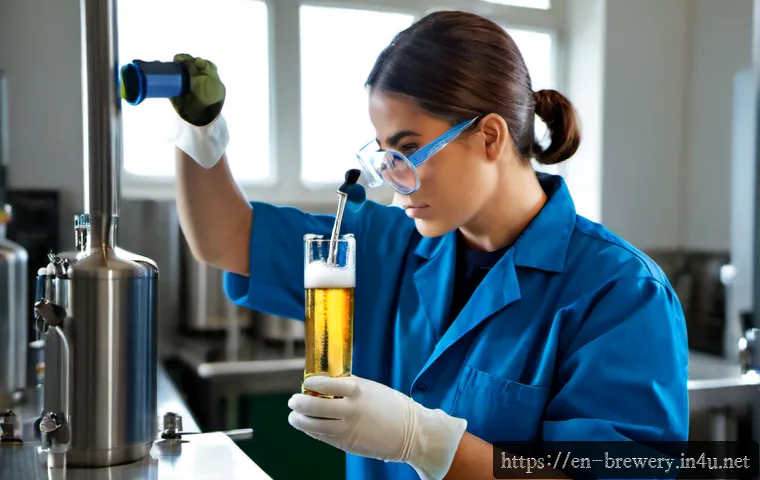
Water deserves attention because it is used throughout brewing, cleaning, and facility operations. Review where water enters the process, how cleaning routines are managed, and what discharge requirements apply locally. Energy should be reviewed across brewhouse activity, refrigeration, cold storage, lighting, and other equipment that supports production. Material waste includes packaging materials, ingredients, spent grain, yeast, and products lost during handling.
Use a simple baseline. The exact format can be modest: utility bills, operational logs, service invoices, and notes on recurring losses can reveal which area needs a closer review. Without a baseline, it is difficult to judge whether an energy-efficient brewing system, water-management service, or new waste contract is solving the right problem.
Environmental Improvements That Can Also Support Operational Resilience
Many sustainability decisions can also improve day-to-day resilience. Better monitoring can make unusual utility use easier to spot. Clearer waste procedures can reduce confusion during busy production periods. Equipment selected for the brewery’s actual capacity may be easier to operate and maintain than a poorly matched upgrade.
The caution is simple: resilience is not automatic. A new system still needs staff training, maintenance planning, compatible utilities, and a way to measure whether it performs as expected.
Compare Sustainability Options Before Committing Budget
Before requesting quotes, define the decision in one sentence. For example: reduce a recurring water-management concern, improve refrigeration monitoring, or establish a documented route for a specific waste stream. This keeps supplier conversations focused and makes proposals easier to compare.
Process Changes Versus Capital Equipment Upgrades
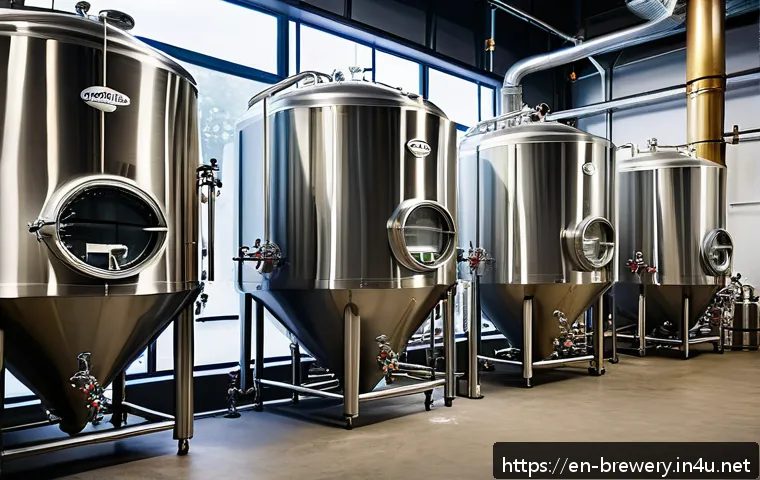
Process changes may be appropriate when the issue is inconsistent cleaning, avoidable packaging loss, unclear storage practices, or missing operational records. These changes often require internal coordination more than new hardware. Capital equipment may be worth evaluating when existing infrastructure limits capacity, creates a recurring maintenance burden, or cannot support the brewery’s intended workflow.
Do not frame the choice as “low-cost change versus premium equipment.” A process change may require ongoing labor, while an equipment upgrade may create new service needs. Compare the total cost of ownership, including installation, maintenance, downtime considerations, and operational fit.
Comparing Vendor Quotes: Installed Cost, Maintenance, Capacity, and Data Reporting
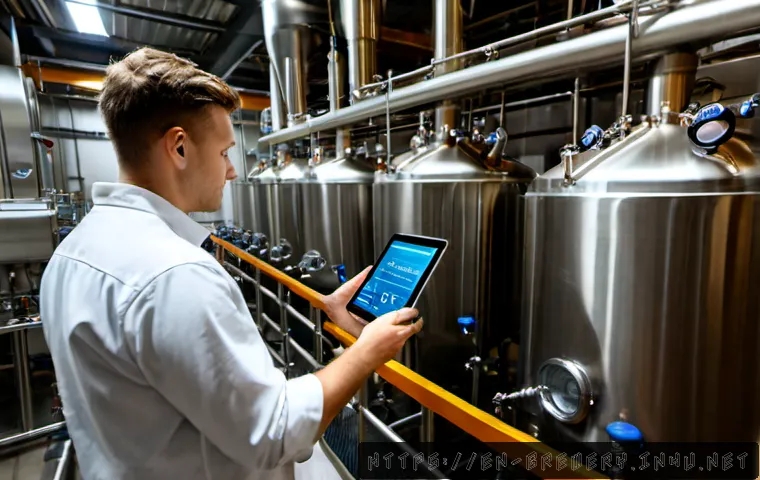
Ask each equipment vendor or installer to make the scope clear. Compare the total installed cost, required site work, utility requirements, maintenance expectations, operating capacity, warranty terms where applicable, and the proposed method for recording performance. For water treatment, energy monitoring, solar, and waste-management services, clarify what data will be available and who is responsible for reviewing it.
A lower initial quote may not be the better option if it excludes installation work, requires difficult utility changes, or provides no practical reporting. Likewise, a detailed proposal is not proof of performance. Request assumptions in writing and compare like-for-like scopes.
When Water Treatment, Energy Monitoring, or Waste Services May Be Worth Outsourcing
Outsourcing may be useful when the brewery does not have the internal time or technical capacity to manage testing, monitoring, collection, or reporting. A specialist provider may help organize service records and identify maintenance needs. This can be especially relevant for wastewater planning, energy monitoring platforms, and material-handling services.
Before signing, confirm the provider’s service boundaries. Ask what is included, what requires an additional visit, how records are delivered, and whether the service aligns with local requirements. Official guidance and detailed service conditions should be reviewed on the relevant provider or authority page.
Build a Lower-Waste Brewing Workflow
A lower-waste workflow is usually a series of small, documented decisions across production and hospitality operations. The strongest approach is to map the process from ingredients and water through cleaning, packaging, storage, and collection.
Reduce Losses Across Mashing, Cleaning, Packaging, and Cold Storage
Review each stage for avoidable loss, unclear handoffs, or missing records. During mashing and brewing, focus on consistent procedures and ingredient handling. During cleaning, review chemical use, water use, and the steps staff follow. In packaging, identify where materials or finished product are lost. In cold storage, check whether equipment operation and storage practices are being monitored consistently.
The aim is not to claim zero waste. It is to identify repeatable improvements that do not compromise beer quality, food safety, or staff safety.

Handle Spent Grain, Yeast, and Wastewater With Documented Local Requirements
Spent grain, yeast, and wastewater require practical handling plans. Keep records of collection arrangements, service expectations, and applicable local requirements. Wastewater, emissions, packaging, and food-safety obligations vary by jurisdiction, so a workflow that appears suitable for one brewery may not transfer directly to another.
When evaluating a waste hauler or treatment provider, ask which materials are accepted, how contamination is addressed, what documentation is available, and what operational preparation is required before collection.
Avoid Unsupported “Green” Claims in Menus, Packaging, and Marketing
A sustainability claim should match measurable operational evidence. Broad statements such as “eco-friendly” can create confusion if the brewery cannot explain what has changed, how it is measured, or what remains outside the program. Specific, supportable language is usually more useful than a broad promise.
Review marketing language with the same care used for equipment proposals: identify the claim, identify the evidence, and confirm whether local advertising or labeling rules apply.
Choose Priorities by Brewery Type and Growth Stage
Small Taprooms: Start With Utility Tracking and Supplier Practices
Small taprooms may benefit from simple utility tracking, clear cleaning procedures, packaging purchasing reviews, and conversations with waste-service providers. These steps can build a useful baseline without assuming that major infrastructure is necessary.
Production Breweries: Focus on Process Efficiency and Wastewater Planning
Production breweries often need closer attention to process consistency, equipment capacity, refrigeration, cleaning workflows, and wastewater planning. The priority is to understand where operational pressure is occurring before selecting a water treatment system, monitoring service, or equipment upgrade.
Expanding Operations: Include Infrastructure Capacity in Equipment Decisions
Growing regional operations should consider how an upgrade fits future space, utility capacity, maintenance access, and waste handling. A system that works at the current production level may not suit a future layout. Include infrastructure questions early, before equipment orders are finalized.
Selection Criteria and Comparison Summary
Rank each project using a short decision checklist:
- Operational need: What specific problem is this project addressing?
- Total cost of ownership: What are the installation, maintenance, service, and operational requirements?
- Utility compatibility: Does the site support the proposed equipment or service?
- Measurement method: How will the brewery track performance after implementation?
- Compliance fit: What local wastewater, emissions, packaging, food-safety, or waste rules need confirmation?
- Growth fit: Will the option remain workable if production or hospitality activity changes?
Compare total installed cost, maintenance needs, utility compatibility, and expected measurement method before choosing a supplier. Review official specifications, service terms, and detailed conditions on the relevant equipment or provider page before approving a contract.
Final Thoughts
Eco-friendly brewery management is most practical when it begins with a measured operational need. Water, energy, packaging, and waste should be reviewed as connected parts of the brewery workflow. A well-matched process change or service contract may be more useful than an expensive upgrade with unclear results. Keep the decision grounded in facility data, documented requirements, and realistic maintenance capacity.
Useful Information to Keep in Mind
First: keep utility, service, and waste records in one accessible place. Second: ask suppliers how performance will be measured after installation or onboarding. Third: separate verified operational improvements from broad marketing language. Fourth: revisit priorities when production volume, facility layout, or local requirements change.
Important Notes
Actual savings, payback periods, incentives, equipment pricing, and operating outcomes vary by brewery size, location, utility rates, production volume, and existing infrastructure. Environmental claims should be verified using measurable operational data. Wastewater, emissions, packaging, and food-safety requirements differ by jurisdiction and should be confirmed with appropriate local authorities or qualified providers.
Frequently Asked Questions
Q1. What are the most cost-effective sustainability improvements for a small brewery?
A1. Start with utility tracking, process documentation, cleaning routines, supplier practices, and waste-service arrangements. The most suitable option depends on where the brewery sees recurring resource use, material loss, or service issues. Measure first before assuming a capital purchase is necessary.
Q2. How should a brewery compare quotes for energy-efficient equipment or water-management services?
A2. Compare total installed cost, required site work, maintenance needs, operating capacity, utility compatibility, service scope, and the expected measurement method. Ask vendors to state their assumptions clearly so proposals can be evaluated on the same basis.
Q3. Is sustainable brewery equipment worth the upfront cost for a growing production brewery?
A3. It may be worth considering when it addresses a documented operational constraint and fits the brewery’s infrastructure and growth plans. Do not rely on general savings claims. Review local conditions, maintenance requirements, capacity needs, and how the brewery will measure results after implementation.