A reliable craft beer evaluation uses six checkpoints: appearance, aroma, flavor, mouthfeel, finish, and overall balance within the beer’s style. Start with a clean glass, taste slowly, and compare each sample against its intended style rather than one universal idea of “good.” A tasting flight is useful when variety matters, while a full pour gives you more time to understand how one beer develops.
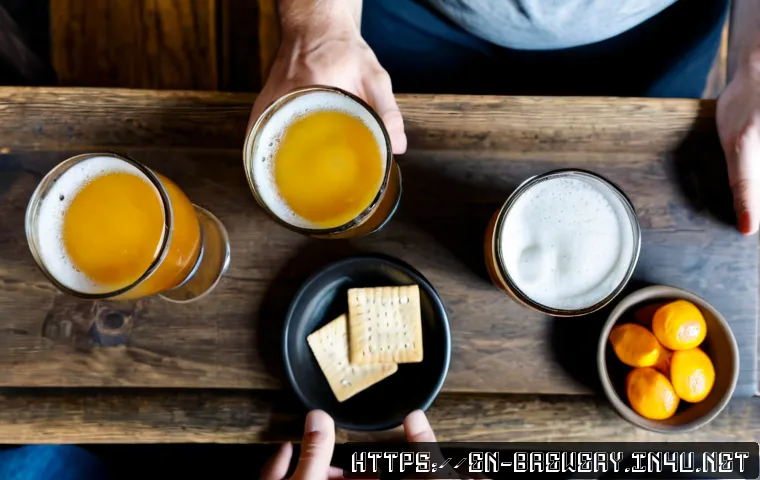
Glassware, tasting kits, and guided brewery experiences can be useful choices when they match your learning goal and group setting. Keep notes simple, reset your palate with water and plain crackers, and avoid letting one intensely bitter or sweet sample shape every later score.
Your best repeat order is usually the beer that stays enjoyable from first sip through the finish.
At a Glance
- Use six checkpoints: appearance, aroma, flavor, mouthfeel, finish, and balance.
- Judge the beer against its style expectations, not against an IPA, lager, or stout you already prefer.
- For clearer comparisons, use a clean glass, taste in a sensible order, and reset with water and plain crackers.
| Option | Best For | Variety | Freshness Check | Group Suitability |
|---|---|---|---|---|
| Tasting flight | Exploring several styles before choosing | High | Ask how the samples are served and compare notes promptly | Useful when people want different tastes |
| Full pour | Understanding one beer’s balance and finish | Low | Lets you notice changes as the beer warms slightly | Simple choice when everyone knows what they want |
| Packaged beer | Taking home a familiar beer or comparing later | Depends on the selection | Check brewery guidance and handling information where available | Convenient for a planned home tasting |
The Fastest Way to Judge a Craft Beer
The fastest useful method is to follow the same six checkpoints every time. You do not need a long vocabulary. A few honest notes about what you see, smell, and feel are enough to compare beers more confidently.
Use six checkpoints: appearance, aroma, flavor, mouthfeel, finish, and balance
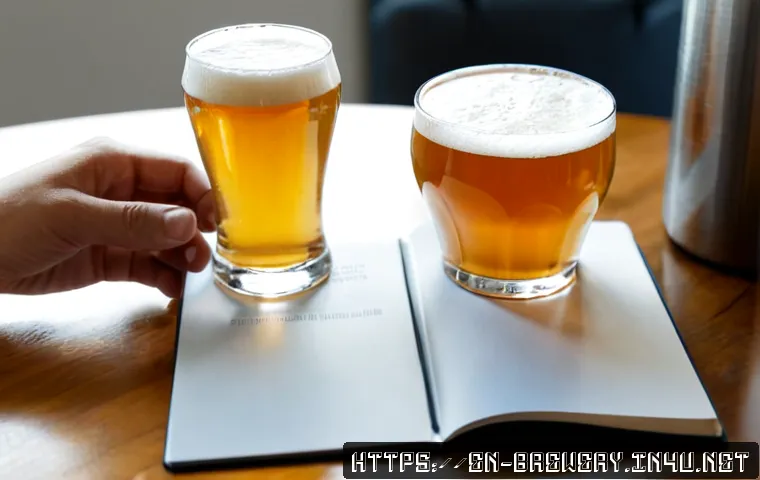
Start with appearance: color, clarity, visible carbonation, and foam retention. These details can suggest how the beer was poured or handled, but appearance alone does not determine quality.
Then assess aroma. Smell has a strong effect on perceived flavor, so take a brief smell before sipping. Next, notice flavor, texture, finish, and whether the elements feel balanced for the style. A beer can be bitter, sweet, roasted, crisp, or richly textured and still be well balanced if those traits work together.
Start with the beer style, not a universal idea of “good” beer
A highly bitter IPA, a roasted stout, and a crisp lager should not be scored by identical flavor expectations. Ask what the style is trying to emphasize. An IPA may place more attention on hop character, while a stout may bring roasted impressions and a lager may aim for a clean, crisp profile.
This approach also separates “not for me” from “poorly balanced for its style”. You may dislike a flavor while still recognizing that the beer seems coherent and intentional.
A simple 1-to-5 scorecard for first impressions and final notes
Use a simple 1-to-5 mark for each checkpoint. Write one or two words beside the number: “bright aroma,” “soft texture,” “dry finish,” or “too sweet for my preference.” Score the beer once after the first sip and add a final note after a few more sips.
Quick scorecard: Appearance _ / Aroma _ / Flavor _ / Mouthfeel _ / Finish _ / Style balance _ / Would order again _.
Compare Tasting Flights, Full Pours, and Take-Home Cans Before You Order
The best option depends on whether you want discovery, depth, or convenience. Before choosing, consider the number of samples, the styles available, how fresh the beer seems, and whether you are tasting alone or with a group.
When a tasting flight offers the best value for exploration
A tasting flight is often the practical choice when you are new to a brewery or want to compare different styles side by side. It can help you identify whether you lean toward crisp, bitter, dark, fruity, dry, or fuller-bodied beers before committing to one full pour.
Flights can become less useful if the samples are too similar or if you rush through them. Choose a flight with enough contrast to teach you something: for example, one lighter option, one hop-forward option, and one darker or malt-focused option where available.
When one full pour is better for evaluating balance and finish
A full pour gives you more time to notice aroma, carbonation, mouthfeel, and finish as you drink. This can be a better choice when one beer already stands out in a flight or when you want to see whether the final sips remain as enjoyable as the first.
It is especially useful for evaluating overall balance. A quick sample can reveal a strong first impression, but a longer pour may tell you more about whether the flavor becomes tiring, cleaner, sweeter, or more bitter over time.
What to check when comparing serving size, freshness, price, and variety
Compare what you actually want from the order rather than assuming one format is always better. Look for sample variety, serving format, current brewery information, and whether the list includes styles you genuinely want to try. If freshness matters to you, ask staff for guidance on the current selection rather than guessing from the menu alone.
For packaged beer, consider whether you are buying a known favorite or creating a home comparison. A take-home pack can make note-taking easier, but it does not replace the atmosphere or direct guidance available at a brewery tasting.
When guided brewery tastings or tasting kits may be worth the extra cost
A guided tasting experience may suit people who want help connecting style, aroma, and flavor. It can also work well for a group that prefers structure over choosing independently. A beer tasting kit may be useful at home when you want a repeatable setup with glasses or note cards.
Check the official details for what is included, the current format, and any participation conditions before booking. The right choice depends on your learning goal, group size, and local options.
Taste Beer Step by Step Without Missing Key Details
A consistent sequence prevents you from jumping straight to bitterness or alcohol strength. Take a moment before every sip, especially when you are comparing several samples.
Look at color, clarity, carbonation, and foam
Hold the glass where you can see the beer clearly. Note the color, whether it appears clear or hazy, the visible carbonation, and how the foam behaves. These observations are useful clues, but they should remain one part of the scorecard rather than the final verdict.
Smell before sipping and identify broad aroma families
Take a gentle smell before your first sip. You do not need to name exact ingredients. Broad categories are enough: citrus-like, floral, roasted, bready, fruity, spicy, or clean. Aroma can shift as the beer changes in the glass, so return to it after a few sips.
Take a small sip, then assess flavor development and texture
Take a small sip and let the beer move across your palate before swallowing. Notice what arrives first, what develops in the middle, and what remains afterward. Then describe the mouthfeel: light, smooth, creamy, lively, soft, crisp, or fuller-bodied are useful starting points.
Serving temperature can affect how easily sweetness, bitterness, carbonation, and aroma are perceived. If a beer seems different later, note the change rather than assuming the first sip was the only accurate one.
Evaluate the finish: clean, lingering, dry, sweet, bitter, or warming
The finish is what remains after you swallow. Does it disappear quickly, stay dry, linger with bitterness, leave sweetness behind, or feel warming? A long finish is not automatically better, and a short finish is not automatically weak. The question is whether it fits the beer’s style and remains pleasant to you.

Avoid Common Tasting Mistakes That Distort Your Evaluation
Most tasting errors come from comparing unlike beers, rushing, or allowing outside smells and earlier samples to control the result.
Do not judge every style by bitterness or alcohol strength
Bitterness and strength may be noticeable, but neither is a complete quality measure. A beer can be restrained, bold, dry, sweet, crisp, or roasty. Use the full scorecard instead of treating one characteristic as the winner.
Use clean glassware and avoid strongly scented food or fragrance
A clean, appropriately sized glass can make aroma evaluation easier than drinking directly from a can or bottle. Strong fragrance or strongly scented food can compete with the beer’s aroma, making your notes less reliable.
Control sample order to reduce palate fatigue
Palate fatigue can make later samples seem flatter, sweeter, or more bitter than they really are. Move thoughtfully from lighter and cleaner impressions toward more intense ones when possible. Drink water between samples and use plain crackers as a simple palate reset.
Separate personal preference from technical balance and style fit
Write two final notes: style fit and personal preference. This keeps your record useful. A beer may be well suited to its style but not something you want to order again, and that is a perfectly valid conclusion.
Adjust Your Approach for Taprooms, Festivals, and Home Tastings
The setting changes how much attention you can give each beer. Adapt the method instead of expecting the same detailed evaluation everywhere.
How to choose samples at a brewery taproom
At a taproom, begin with a flight if the list is unfamiliar and variety is your priority. Read style descriptions, ask simple questions about the current selection, and choose contrasting samples. If one beer clearly earns the strongest notes, a full pour is the natural next step.
How to take useful notes at a crowded beer festival
At a festival, keep notes short: style, first aroma, finish, and whether you would seek it out again. A long description is rarely practical in a busy setting. Focus on comparisons you can remember rather than trying to score every sample perfectly.
How to run a low-pressure tasting at home with friends
For a home tasting, use clean glasses, water, plain crackers, and a simple scorecard. Choose a small selection with enough style contrast to make the discussion interesting. Let everyone score privately first, then compare notes; this reduces the chance that one loud opinion shapes the whole group.
Responsible pacing, hydration, and transport planning
Plan pacing, water, food, and transportation before the tasting begins. Whether alcohol is appropriate depends on personal health, medication, legal age, driving plans, and individual circumstances. When in doubt, choose a non-alcoholic option or avoid participation.
Selection Criteria and Comparison Summary
Choose a tasting flight when variety and discovery matter most. Choose a full pour when you want to understand one beer’s aroma, texture, and finish in more depth. Consider packaged beer when you want to continue a comparison at home, and consider a guided brewery tasting when explanation and group learning are the priority.
Before deciding, check: style range, current serving options, glass cleanliness, your tasting goal, group preferences, and responsible transport plans. When comparing local brewery tastings, beer glassware sets, or guided tasting options, review the official details and included conditions on the relevant page before choosing.
Closing Thoughts
Better beer tasting is less about finding the “correct” answer and more about using a repeatable method. The six-point scorecard gives you a clear way to compare beers without overthinking every sip. Start with the style, keep your notes brief, and pay attention to the finish before deciding what deserves another order. Over time, your own patterns will become easier to recognize.
Useful Things to Know
Water and plain crackers can help reset your palate between samples.
A clean glass can make aroma easier to evaluate than a can or bottle.
Serving temperature can change how aromas, sweetness, bitterness, and carbonation are perceived.
Palate fatigue can distort later samples, so sample order matters.
Important Notes
A beer’s appearance alone does not establish quality. Without the brewery’s guidance and style context, it may be unclear whether a particular trait is intentional, related to handling, or simply a matter of personal preference. Current prices, tasting-flight value, event formats, and local availability should always be confirmed directly with the brewery, venue, or retailer.
Frequently Asked Questions
Q1. What is the best order for tasting different craft beer styles?
A1. A practical approach is to begin with lighter, cleaner impressions and move toward more intense, bitter, sweet, roasted, or fuller-bodied samples. The goal is to reduce palate fatigue, not to force every beer into one fixed sequence.
Q2. Are beer tasting flights worth the cost compared with ordering full pours?
A2. A flight can be worthwhile when you want variety and are still deciding what you like. A full pour may be better when you already know which beer interests you and want more time to assess its balance and finish. Compare the current options and serving details at the venue.
Q3. Do I need special beer glasses to evaluate craft beer properly?
A3. You do not need a specialized glass to begin, but a clean, appropriately sized glass can improve aroma evaluation compared with drinking directly from a can or bottle. The ideal glass shape depends on the beer style and brewery guidance.