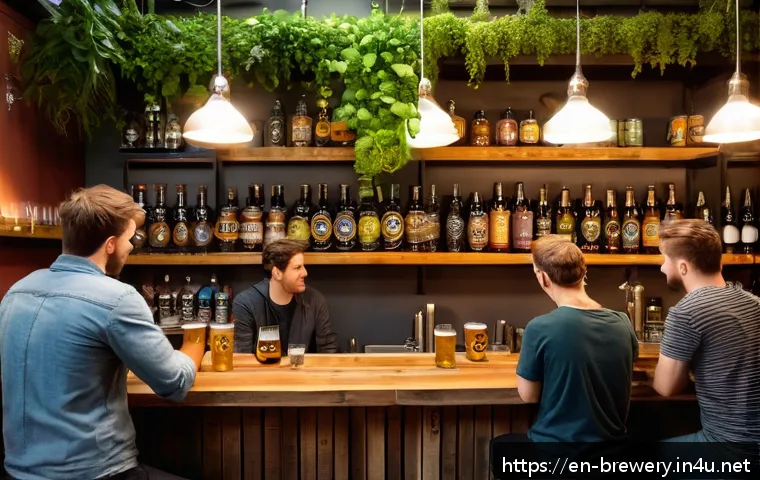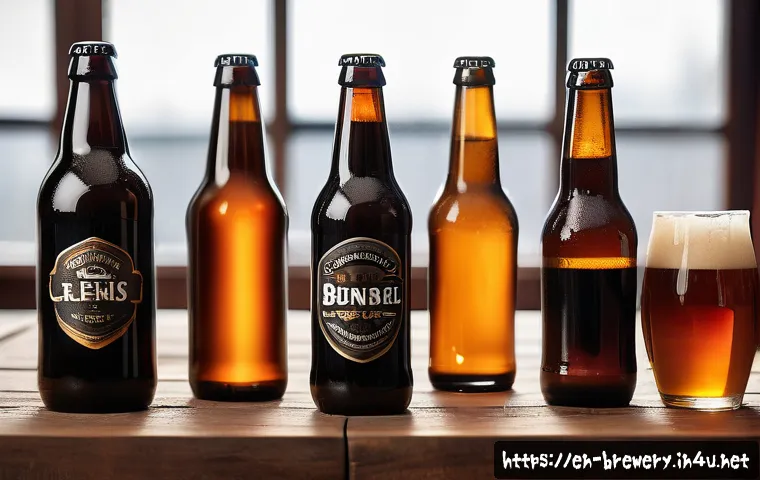
The craft beer scene is exploding, isn’t it? It feels like every week there’s a new brewery popping up, each trying to outdo the last with bolder flavors and more creative brewing techniques.
But beyond the IPAs and stouts, there’s a whole world of innovation happening – from bioengineered yeasts that unlock completely new flavor profiles to AI-powered recipe optimization that’s making consistently excellent beer easier than ever.
I’ve even heard whispers about breweries experimenting with sustainable energy sources to reduce their carbon footprint. The future of craft beer is looking incredibly bright, and incredibly interesting.
So, if you’re curious about what’s brewing on the horizon, let’s explore these cutting-edge advances in more detail!
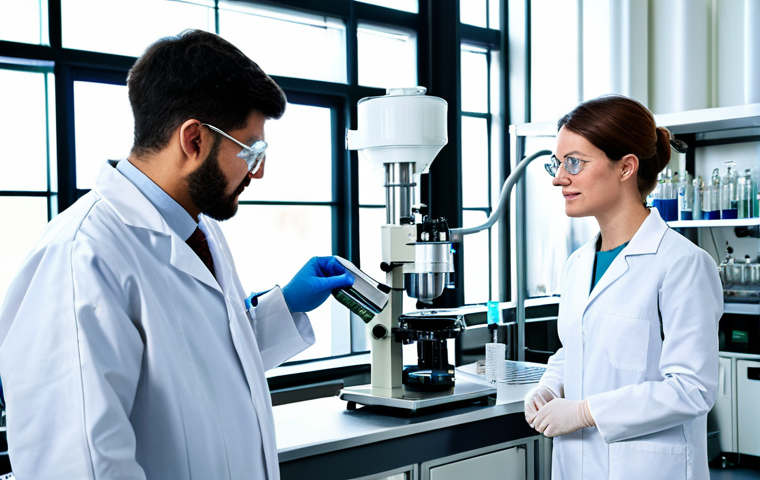
## Brewing with Bugs: The Wild World of Bioengineered YeastsOkay, so maybe “bugs” isn’t the most appetizing word, but hear me out! These aren’t your grandpa’s brewing yeasts.
Scientists are now engineering yeasts at the genetic level to unlock flavor profiles that were previously unimaginable. I remember trying a saison brewed with a bioengineered yeast strain that imparted a distinct pineapple note – it was mind-blowing!
It got me thinking about the possibilities. We’re talking yeasts that can accentuate existing hop aromas, create entirely new fruity esters, or even produce enzymes that break down complex carbohydrates, resulting in lower-calorie beers.
Taming the Brett: Precise Control over Wild Fermentation
Wild yeasts like Brettanomyces can add incredible complexity to beer, but they can also be unpredictable. Bioengineering is allowing brewers to harness the best aspects of Brettanomyces without the risk of overwhelming funk.
Imagine a Brett beer that consistently delivers subtle notes of pear and leather, without the barnyard.
Unlocking Ancient Grains: Enhanced Digestion and Flavor
Certain ancient grains, like sorghum and millet, have unique flavor profiles but can be difficult to work with due to complex starches. Bioengineered yeasts can be designed to efficiently break down these starches, making these grains more accessible to brewers and unlocking new flavor possibilities.
This opens the door to beers with a truly unique sense of place.
AI Brewmasters: Optimizing Recipes with Algorithms
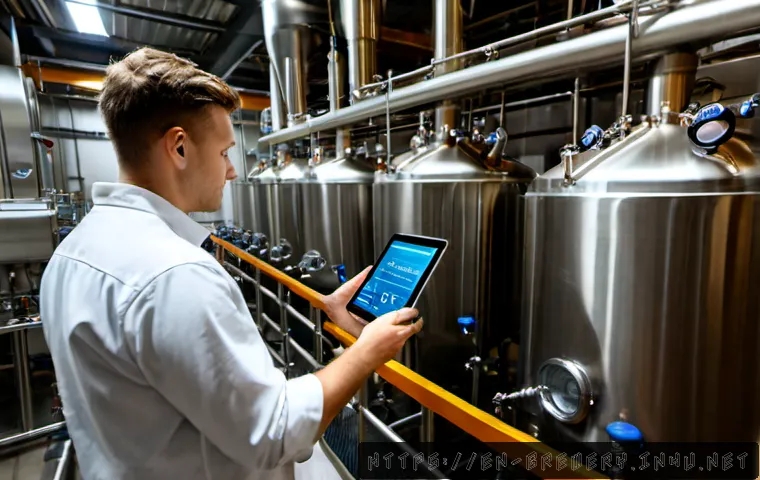
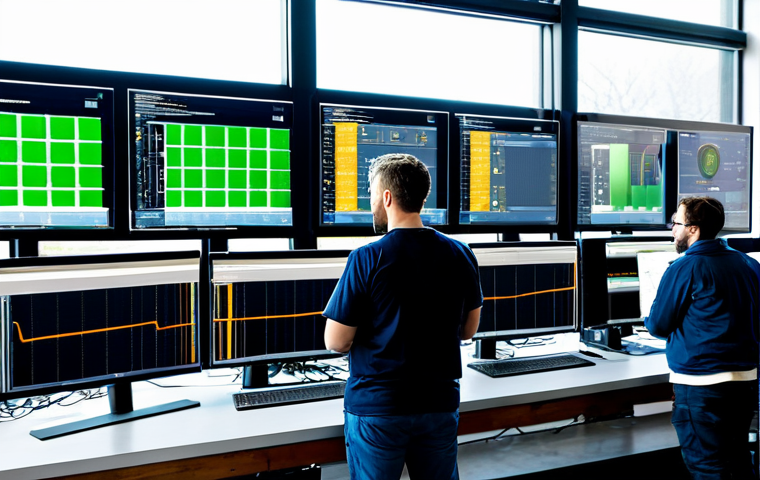
Forget gut feelings and intuition – algorithms are entering the brewery! AI is being used to analyze vast datasets of brewing parameters (temperature, fermentation time, hop additions, etc.) and predict how they will affect the final product.
I saw a demo of an AI system that could optimize a recipe for a hazy IPA to maximize aroma and minimize bitterness. It was like watching a master brewer at work, but a thousand times faster!
I can see this technology becoming essential for brewers who want to consistently produce high-quality beer.
Hop Harmony: Predicting the Perfect Hop Combination
Choosing the right hops can be a daunting task, with hundreds of varieties available. AI can analyze hop chemical compositions and predict how different hops will interact with each other, helping brewers create synergistic flavor combinations.
Consistency is Key: Maintaining Quality Control
Brewing is a complex process, and even slight variations in ingredients or conditions can affect the final product. AI can monitor brewing parameters in real-time and alert brewers to potential problems, ensuring consistent quality.
Data-Driven Innovation: Discovering New Flavor Profiles
AI can also be used to explore entirely new flavor profiles by simulating the effects of different ingredients and brewing techniques. This can help brewers discover novel combinations that they might never have considered otherwise.
The Eco-Friendly Pint: Sustainable Brewing Practices
Consumers are increasingly concerned about the environmental impact of their choices, and that includes beer! Breweries are responding by adopting sustainable practices like water conservation, waste reduction, and renewable energy.
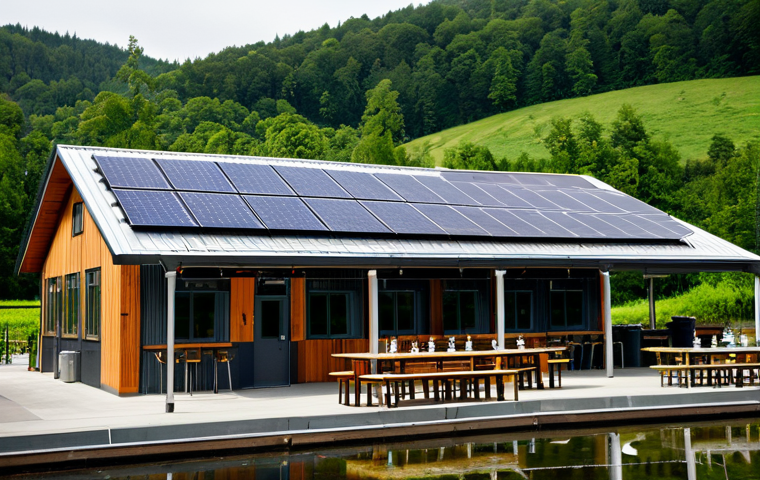
I visited a brewery recently that was powered entirely by solar panels – it was inspiring to see them walking the walk.
Solar-Powered Suds: Harnessing Renewable Energy
Solar panels are becoming increasingly affordable and efficient, making them a viable option for breweries looking to reduce their carbon footprint. Plus, the panels look really cool on the brewery roof.
Water Wise: Conserving a Precious Resource
Brewing is a water-intensive process, but there are many ways to reduce water consumption, such as using efficient cleaning methods and recycling wastewater.
Waste Not, Want Not: Repurposing Brewing Byproducts
Spent grain, a byproduct of the brewing process, can be used as animal feed, compost, or even as an ingredient in baked goods. It’s all about finding creative ways to minimize waste.
I read about a brewery that partners with a local bakery to turn their spent grain into delicious bread.
Carbon Capture: Reducing Emissions
Some breweries are even exploring carbon capture technology to reduce their carbon emissions. This involves capturing the carbon dioxide produced during fermentation and using it for other purposes, such as carbonating beverages.
Hops of the Future: Novel Varieties and Growing Techniques
The hop is the star of many craft beers, and breeders are constantly developing new varieties with unique aromas and flavors. But the innovation doesn’t stop there – growers are also experimenting with new techniques to maximize hop yields and quality.
I remember the first time I smelled a new hop variety that smelled like straight-up mango – it was incredible!
Vertical Farming: Growing Hops in Urban Environments
Vertical farms allow hops to be grown in urban environments, reducing transportation costs and environmental impact. Plus, it’s pretty cool to see hops growing in the middle of the city.
Hop Extracts: Concentrated Flavor and Aroma
Hop extracts provide a concentrated source of hop flavor and aroma, allowing brewers to use less hops and reduce waste.
Disease Resistance: Developing Hardy Hop Varieties
Breeders are working to develop hop varieties that are resistant to diseases like downy mildew, reducing the need for pesticides.
Beyond the Beer: New Packaging and Delivery Methods
The way beer is packaged and delivered is also evolving. From innovative can designs to subscription services that deliver beer directly to your door, there are many exciting developments happening in this area.
I personally love the smaller can sizes that are becoming more common – perfect for trying a variety of beers without committing to a full pint.
Crowlers and Growlers: Fresh Beer on the Go
Crowlers and growlers allow consumers to take fresh beer home from their favorite breweries.
Mobile Canning: On-Site Packaging Solutions
Mobile canning services bring canning equipment directly to breweries, allowing them to package their beer without investing in expensive equipment.
Subscription Services: Beer Delivered to Your Door
Subscription services offer a convenient way to discover new beers and support your favorite breweries.
Sensory Experiences: Immersive Tasting Environments
The way we experience beer is also changing. Breweries are creating immersive tasting environments that engage all of the senses, from sight and sound to smell and taste.
I went to a beer tasting event recently that featured interactive light displays and soundscapes designed to enhance the flavor of the beer – it was an unforgettable experience.
Augmented Reality: Interactive Beer Labels
Augmented reality technology allows beer labels to come to life, providing consumers with additional information about the beer and the brewery.
Multi-Sensory Tastings: Engaging All the Senses
Multi-sensory tastings combine beer with food, music, and other sensory experiences to create a truly immersive experience.
Virtual Reality: Brewery Tours from Your Couch
Virtual reality technology allows consumers to take virtual tours of breweries from the comfort of their own homes.
The Future of Beer: A Glimpse into What’s Brewing
The future of craft beer is looking incredibly bright, with new technologies and innovations constantly pushing the boundaries of what’s possible. From bioengineered yeasts to AI-powered recipes, the possibilities are endless.
I can’t wait to see what the next generation of brewers comes up with! Here’s a quick rundown of some of the brewing technologies mentioned above:
| Technology | Description | Benefits |
|---|---|---|
| Bioengineered Yeasts | Genetically modified yeasts that unlock new flavor profiles. | Unique flavors, lower-calorie beers, enhanced hop aromas. |
| AI-Powered Recipe Optimization | Algorithms that analyze brewing parameters to optimize recipes. | Consistent quality, new flavor discoveries, efficient resource use. |
| Sustainable Brewing Practices | Methods like water conservation, renewable energy, and waste reduction. | Reduced environmental impact, cost savings, positive brand image. |
| Novel Hop Varieties | New hop breeds with unique aromas and flavors. | Diverse flavor profiles, potential for disease resistance. |
| Innovative Packaging | New packaging formats like crowlers and mobile canning. | Fresh beer availability, convenient options for breweries. |
Brewing with Bugs: The Wild World of Bioengineered Yeasts
Okay, so maybe “bugs” isn’t the most appetizing word, but hear me out! These aren’t your grandpa’s brewing yeasts. Scientists are now engineering yeasts at the genetic level to unlock flavor profiles that were previously unimaginable. I remember trying a saison brewed with a bioengineered yeast strain that imparted a distinct pineapple note – it was mind-blowing! It got me thinking about the possibilities. We’re talking yeasts that can accentuate existing hop aromas, create entirely new fruity esters, or even produce enzymes that break down complex carbohydrates, resulting in lower-calorie beers.
Taming the Brett: Precise Control over Wild Fermentation
Wild yeasts like Brettanomyces can add incredible complexity to beer, but they can also be unpredictable. Bioengineering is allowing brewers to harness the best aspects of Brettanomyces without the risk of overwhelming funk. Imagine a Brett beer that consistently delivers subtle notes of pear and leather, without the barnyard.
Unlocking Ancient Grains: Enhanced Digestion and Flavor
Certain ancient grains, like sorghum and millet, have unique flavor profiles but can be difficult to work with due to complex starches. Bioengineered yeasts can be designed to efficiently break down these starches, making these grains more accessible to brewers and unlocking new flavor possibilities. This opens the door to beers with a truly unique sense of place.
AI Brewmasters: Optimizing Recipes with Algorithms
Forget gut feelings and intuition – algorithms are entering the brewery! AI is being used to analyze vast datasets of brewing parameters (temperature, fermentation time, hop additions, etc.) and predict how they will affect the final product. I saw a demo of an AI system that could optimize a recipe for a hazy IPA to maximize aroma and minimize bitterness. It was like watching a master brewer at work, but a thousand times faster! I can see this technology becoming essential for brewers who want to consistently produce high-quality beer.
Hop Harmony: Predicting the Perfect Hop Combination
Choosing the right hops can be a daunting task, with hundreds of varieties available. AI can analyze hop chemical compositions and predict how different hops will interact with each other, helping brewers create synergistic flavor combinations.
Consistency is Key: Maintaining Quality Control
Brewing is a complex process, and even slight variations in ingredients or conditions can affect the final product. AI can monitor brewing parameters in real-time and alert brewers to potential problems, ensuring consistent quality.
Data-Driven Innovation: Discovering New Flavor Profiles
AI can also be used to explore entirely new flavor profiles by simulating the effects of different ingredients and brewing techniques. This can help brewers discover novel combinations that they might never have considered otherwise.
The Eco-Friendly Pint: Sustainable Brewing Practices
Consumers are increasingly concerned about the environmental impact of their choices, and that includes beer! Breweries are responding by adopting sustainable practices like water conservation, waste reduction, and renewable energy. I visited a brewery recently that was powered entirely by solar panels – it was inspiring to see them walking the walk.
Solar-Powered Suds: Harnessing Renewable Energy
Solar panels are becoming increasingly affordable and efficient, making them a viable option for breweries looking to reduce their carbon footprint. Plus, the panels look really cool on the brewery roof.
Water Wise: Conserving a Precious Resource
Brewing is a water-intensive process, but there are many ways to reduce water consumption, such as using efficient cleaning methods and recycling wastewater.
Waste Not, Want Not: Repurposing Brewing Byproducts
Spent grain, a byproduct of the brewing process, can be used as animal feed, compost, or even as an ingredient in baked goods. It’s all about finding creative ways to minimize waste. I read about a brewery that partners with a local bakery to turn their spent grain into delicious bread.
Carbon Capture: Reducing Emissions
Some breweries are even exploring carbon capture technology to reduce their carbon emissions. This involves capturing the carbon dioxide produced during fermentation and using it for other purposes, such as carbonating beverages.
Hops of the Future: Novel Varieties and Growing Techniques
The hop is the star of many craft beers, and breeders are constantly developing new varieties with unique aromas and flavors. But the innovation doesn’t stop there – growers are also experimenting with new techniques to maximize hop yields and quality. I remember the first time I smelled a new hop variety that smelled like straight-up mango – it was incredible!
Vertical Farming: Growing Hops in Urban Environments
Vertical farms allow hops to be grown in urban environments, reducing transportation costs and environmental impact. Plus, it’s pretty cool to see hops growing in the middle of the city.
Hop Extracts: Concentrated Flavor and Aroma
Hop extracts provide a concentrated source of hop flavor and aroma, allowing brewers to use less hops and reduce waste.
Disease Resistance: Developing Hardy Hop Varieties
Breeders are working to develop hop varieties that are resistant to diseases like downy mildew, reducing the need for pesticides.
Beyond the Beer: New Packaging and Delivery Methods
The way beer is packaged and delivered is also evolving. From innovative can designs to subscription services that deliver beer directly to your door, there are many exciting developments happening in this area. I personally love the smaller can sizes that are becoming more common – perfect for trying a variety of beers without committing to a full pint.
Crowlers and Growlers: Fresh Beer on the Go
Crowlers and growlers allow consumers to take fresh beer home from their favorite breweries.
Mobile Canning: On-Site Packaging Solutions
Mobile canning services bring canning equipment directly to breweries, allowing them to package their beer without investing in expensive equipment.
Subscription Services: Beer Delivered to Your Door
Subscription services offer a convenient way to discover new beers and support your favorite breweries.
Sensory Experiences: Immersive Tasting Environments
The way we experience beer is also changing. Breweries are creating immersive tasting environments that engage all of the senses, from sight and sound to smell and taste. I went to a beer tasting event recently that featured interactive light displays and soundscapes designed to enhance the flavor of the beer – it was an unforgettable experience.
Augmented Reality: Interactive Beer Labels
Augmented reality technology allows beer labels to come to life, providing consumers with additional information about the beer and the brewery.
Multi-Sensory Tastings: Engaging All the Senses
Multi-sensory tastings combine beer with food, music, and other sensory experiences to create a truly immersive experience.
Virtual Reality: Brewery Tours from Your Couch
Virtual reality technology allows consumers to take virtual tours of breweries from the comfort of their own homes.
The Future of Beer: A Glimpse into What’s Brewing
The future of craft beer is looking incredibly bright, with new technologies and innovations constantly pushing the boundaries of what’s possible. From bioengineered yeasts to AI-powered recipes, the possibilities are endless. I can’t wait to see what the next generation of brewers comes up with!
Here’s a quick rundown of some of the brewing technologies mentioned above:
| Technology | Description | Benefits |
|---|---|---|
| Bioengineered Yeasts | Genetically modified yeasts that unlock new flavor profiles. | Unique flavors, lower-calorie beers, enhanced hop aromas. |
| AI-Powered Recipe Optimization | Algorithms that analyze brewing parameters to optimize recipes. | Consistent quality, new flavor discoveries, efficient resource use. |
| Sustainable Brewing Practices | Methods like water conservation, renewable energy, and waste reduction. | Reduced environmental impact, cost savings, positive brand image. |
| Novel Hop Varieties | New hop breeds with unique aromas and flavors. | Diverse flavor profiles, potential for disease resistance. |
| Innovative Packaging | New packaging formats like crowlers and mobile canning. | Fresh beer availability, convenient options for breweries. |
In Conclusion
As we’ve explored, the craft beer world is experiencing a renaissance driven by science and sustainability. From bioengineered yeasts to AI-optimized recipes, innovation is transforming how we brew and enjoy beer. It’s an exciting time to be a beer enthusiast, with endless possibilities on the horizon. So, raise a glass to the future of brewing!
Good to Know
1. Check out local brewery websites for tours and tasting events – many offer behind-the-scenes looks at their brewing processes.
2. Look for beers brewed with sustainable practices, like those using solar power or repurposing spent grain, to support eco-friendly breweries.
3. Explore different beer styles and hop varieties – don’t be afraid to try something new and expand your palate.
4. Many craft breweries offer beer subscription services, which is a great way to discover new beers and support your favorite local breweries.
5. Use apps like Untappd to track the beers you’ve tried, rate them, and get recommendations for similar styles.
Key Takeaways
Brewing is becoming more scientific, sustainable, and sensory-focused. Bioengineered yeasts and AI are revolutionizing recipe development. Sustainable practices are gaining traction, reducing the environmental impact of brewing. Immersive tasting experiences are enhancing the enjoyment of beer.
Frequently Asked Questions (FAQ) 📖
Q: So, with all these new technologies popping up, is it going to be impossible for a small, independent brewery to compete?
A: That’s a totally valid concern! Honestly, it’s easy to feel overwhelmed when you hear about AI-optimized recipes and bioengineered yeasts. But think of it this way: those technologies are tools, not replacements for passion and creativity.
A small brewery with a truly unique vision, a strong connection to its community, and a commitment to quality can absolutely thrive. The tech just offers some interesting new avenues to explore, if they choose to.
Plus, there’s always going to be a market for that “handcrafted with love” vibe that the big guys can’t replicate. I’ve seen smaller breweries in my town do amazingly well just by sticking to what they know best and focusing on local ingredients.
Q: You mentioned sustainable energy – how are breweries actually using that? I’m picturing solar panels on the roof, but is there more to it?
A: Absolutely more to it! Solar panels are definitely part of the picture for some, especially in sunny states like California. But I’ve also read about breweries using things like biogas digesters to turn waste products from the brewing process into energy.
Pretty cool, right? And some are even investing in wind power or geothermal energy. It’s all about finding ways to reduce their environmental impact, and honestly, a lot of customers are really drawn to that.
I went to a brewery in Oregon last summer that was completely powered by renewable energy, and it definitely made me feel good about supporting them. Plus, it tasted great!
Q: AI-powered recipe optimization sounds a little…sterile? Does that mean beer is all going to taste the same in the future?
A: I totally get where you’re coming from. The thought of algorithms dictating beer recipes does sound a bit dystopian! But I don’t think it’s about eliminating creativity.
More like, it’s about helping brewers fine-tune their recipes and ensure consistency. Imagine being able to predict exactly how a certain hop variety will behave in different conditions, or optimize fermentation temperatures for a specific flavor profile.
It frees up the brewer to focus on the really creative stuff – experimenting with unusual ingredients, pushing boundaries, and telling a story with their beer.
I think the best brewers will use AI as a tool to enhance their artistry, not replace it.
📚 References
Wikipedia Encyclopedia